
The jacket you already own is usually the lowest-impact jacket you can wear. Arc’teryx puts it this way about its own products: keeping gear in active use longer is one of the most direct ways to reduce the environmental footprint of making technical apparel products. (Arc’teryx) That’s a brand talking about its own program, but the logic holds for any brand: a garment that’s already made doesn’t need making again.
This guide works through the options in order: fix it, then pass it on or buy it used, and only then buy new, and buy the kind of thing that can be fixed.
Step 1: repair what you have
Most outdoor gear fails in a few predictable places: zippers, seams, small tears, buckles, worn knees and seats. Many of those are home fixes.
Fixes you can do yourself
- Small tears and holes in shells and down jackets: an adhesive repair patch, cut with rounded corners, applied to clean, dry fabric. Follow the patch maker’s instructions.
- Zipper sliders that stop closing: often the slider is worn rather than the teeth. Replacement sliders are sold in kits by size; check the number stamped on the back of your slider.
- Lost buckles, cord locks and zipper pulls: usually standard sizes, and a quick fix once you have the right part.
- Restoring water repellency: a jacket that “wets out” may just need cleaning and a fresh durable water repellent (DWR) treatment, not replacing. Follow the care label.
- Seams starting to open: a needle, heavy thread and a few minutes now beats a blown-out seam later.
A small kit covers most of that: repair tape or patches, a needle and heavy-duty thread, a few spare buckles and cord locks, and a zipper slider kit. Browse gear repair kits on Amazon (US)
Before you try a home fix on an expensive item, check the brand’s repair or warranty page. Some brands publish their own repair guides; others prefer you send the item in.
Brand repair services
Some outdoor brands run their own repair services. Two we could check:
- Patagonia runs repairs through Worn Wear. Start from its repairs page (plain link) to see what it accepts and how to send an item in.
- Arc’teryx runs repairs through its ReBIRD program, at select stores and by service request online. See its ReBIRD repair services page for what’s covered and how to start.
What these programs cost, how long they take and which items they accept are set by each brand and change over time. We aren’t summarizing warranty terms here; read the brand’s current page before you send anything.
Local repair
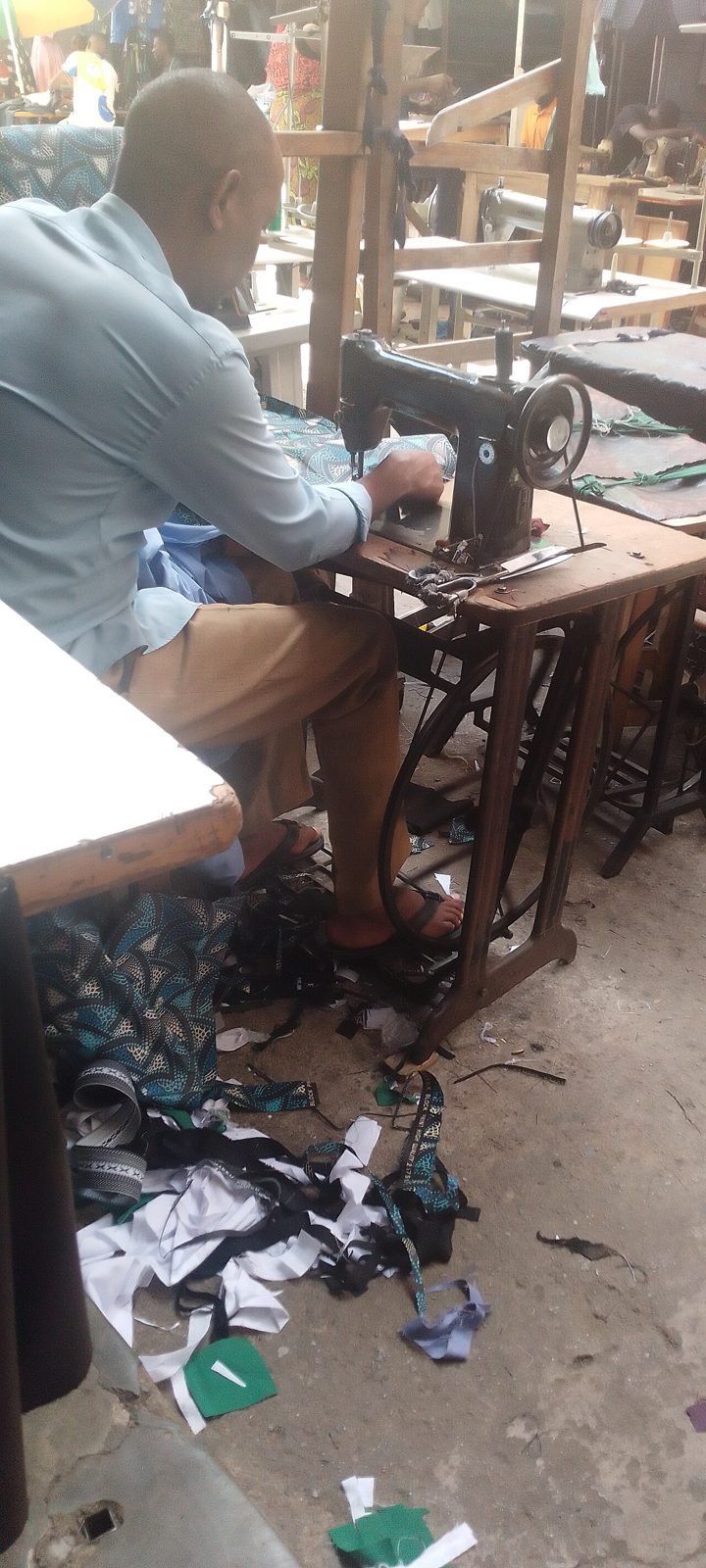
If the brand doesn’t repair, or the item is out of any warranty, a local tailor, shoe repairer or outdoor gear repair shop can often replace a zipper or patch a hole. Community “repair cafés” in some cities also help people fix things themselves. Search your city’s name with “gear repair” or “repair café”.
Step 2: trade in, resell or buy used
If something no longer fits your life, passing it on keeps it in use. If you need something, buying used means no new item gets made for you.
Brand trade-in and resale programs
- REI Re/Supply (US): REI describes trade-in as a member benefit (REI). What you get, and whether an item qualifies, depends on the item and its condition; check REI’s current trade-in page before sending anything.
- Patagonia Worn Wear (US): Patagonia takes trade-ins of its own clothing for credit and sells used Patagonia gear. Check the Worn Wear site for how much credit you’ll get and how it’s decided. Shop or trade in at Worn Wear (plain link).
- Arc’teryx ReBIRD resale: used Arc’teryx gear, sold through resale.arcteryx.com (plain link). Check the site for current trade-in terms in your region.
Other outdoor brands run similar “renewed” or “used” shops. Search the brand’s name with “used” or “trade-in” to see what exists, and check whether it ships to your country.
Buying used elsewhere
General resale marketplaces, local buy-nothing groups, gear swaps run by outdoor clubs, and consignment stores all carry outdoor gear. A few checks for used gear:
- Shells and rainwear: look at the inside for peeling seam tape or a flaking inner layer. Those are hard to fix.
- Down: check for flat, clumped areas and leaks at the seams.
- Packs: check buckles, hip-belt foam and the stitching where shoulder straps meet the pack.
- Tents: set it up, or ask the seller for photos of it pitched. Check poles, zippers and the floor.
- Footwear: the soles and midsoles wear first, and are only worth buying used if they can be resoled.
Be very cautious with used safety gear, such as climbing harnesses, ropes and helmets: follow the maker’s own inspection and retirement guidance, and skip anything whose history you don’t know.
Step 3: if you buy new, buy repairable
When you do need something new, the green claim on the tag (“recycled”, “responsibly made”) tells you about how it was made. It tells you nothing about how long it will last. For a buy-less approach, durability and repair support matter more. See How we judge green claims for how we read material claims.
What to look for:
| Feature | Why it helps |
|---|---|
| A written warranty you can read before buying | You know what’s covered, for how long, and how to claim |
| A repair service, or published repair guides | Damage doesn’t mean replacement |
| Spare parts for sale (buckles, poles, zipper sliders, lids) | Small failures stay small |
| Standard parts (common zipper sizes, standard buckles) | Any repair shop can fix it |
| Resoleable footwear | The upper often outlasts the sole |
| A trade-in or resale program | Easier to pass on when you’re done |
| Simple construction, fewer bonded or glued parts | Sewn seams can usually be re-sewn |
On warranties: wording like “lifetime” or “guaranteed” means different things at different brands. Some cover manufacturing defects only; others say they’ll repair wear and tear. Read the brand’s own terms, and keep your receipt.
Types of gear that tend to last with care
- A simple wool or synthetic midlayer with few seams and no membrane.
- A pack with replaceable buckles and a removable hip belt.
- Leather boots that can be resoled.
- A tent from a brand that sells replacement poles and parts.
- Cookware: a stainless pot or cast iron pan has little to break.
- A rechargeable headlamp, if the battery is replaceable or the brand supports repairs.
None of these is a guarantee. They’re starting points for what to compare.
Step 4: care that keeps gear going
- Wash technical shells as the label says, and re-treat the DWR when water stops beading, per the brand’s instructions.
- Store down and synthetic sleeping bags loose, not packed in their stuff sack.
- Dry tents fully before storing them.
- Fix small things right away. A tiny tear grows.
If you’re adding electronics to your kit, read what a portable power station can realistically run before buying the biggest one in the shop.
Buying during the sales?
A discount on new gear isn’t a saving if you didn’t need it. Our Black Friday green deals guide has a framework for deciding, and our low-waste gift guide suggests gear repair kits and secondhand gear as gifts.
How we picked
- We only name repair and resale programs we could check on the brand’s own site, and we link those pages. Programs and terms change, so check before you rely on them.
- We don’t summarize warranty terms, because they differ by brand, product and country. Read the brand’s own wording.
- Repair tips are general guidance, not instructions for any specific product. Follow the care label and the brand’s guidance.
- We haven’t tested any products or used every program. No brand paid to be included.
Sources
- Arc’teryx, How does the Arc’teryx ReBIRD program work: arcteryx.com
- Arc’teryx, ReBIRD repair services: arcteryx.com
- Patagonia Worn Wear, Repairs: wornwear.patagonia.com
- Patagonia Worn Wear, Trade-in status: wornwear.patagonia.com
- REI, Member Benefit Highlight: Trade In Gear with Re/Supply: rei.com