
A humidifier is one of those appliances that works quietly until the tank gets slimy or the white dust starts. The good news is that a short, regular routine keeps it in good shape, and it needs little more than water, white vinegar and a soft brush. Here is how to clean a humidifier without fuss, whichever type you own.
Quick answer: Unplug it, empty the tank, wipe the parts dry and refill with fresh water every day. Scrub the tank and base with a brush on the schedule the EPA suggests (every third day for portable units), descale with white vinegar if your manual allows, rinse well, and replace wicks or cartridges on the maker’s schedule. Before storing it for the season, clean it and make sure every part is fully dry.
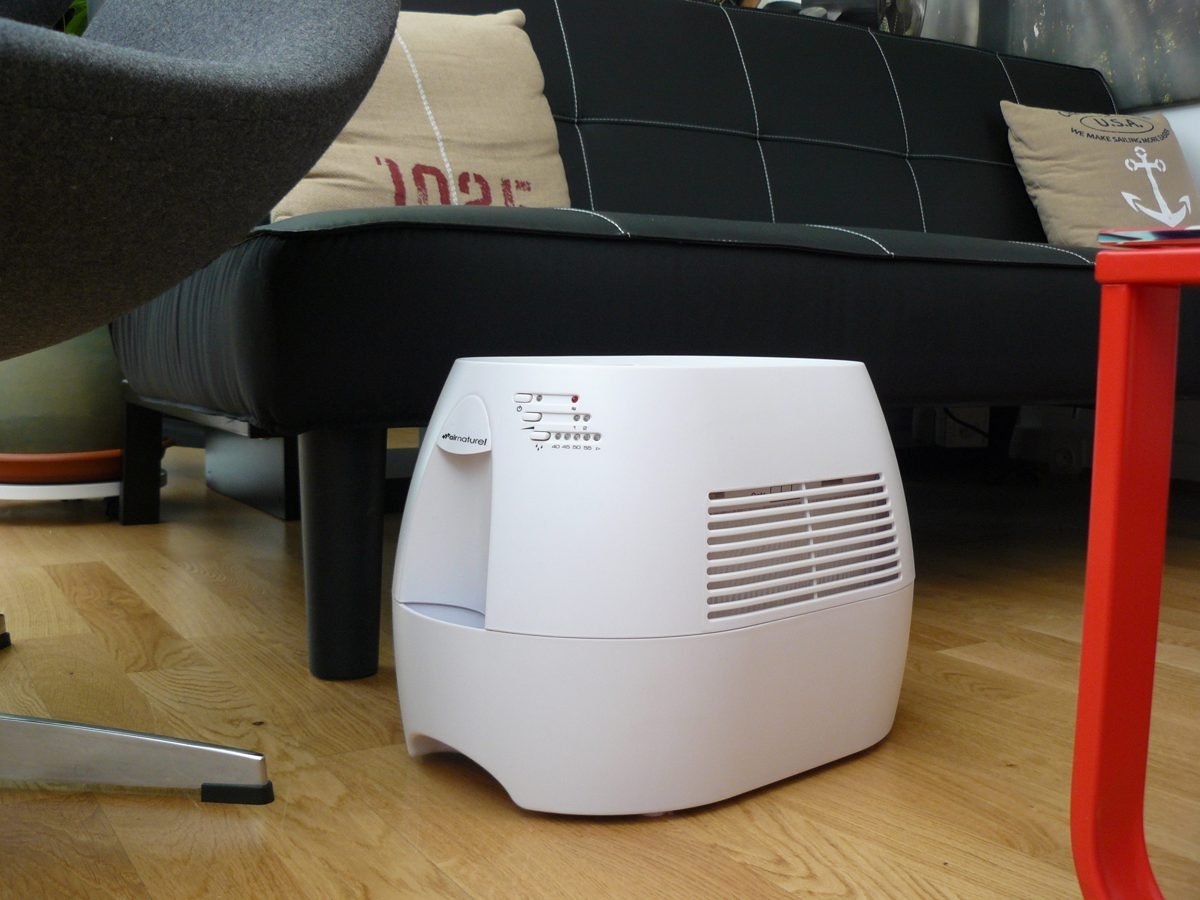
What you need
- White vinegar (a bottle you probably already have)
- A soft brush, such as a bottle brush, an old toothbrush or the cleaning brush some units ship with
- A clean cloth or a few paper towels for drying
- Your manual, or its PDF from the maker’s website, because it overrides any general advice here
- Distilled water, if you use an ultrasonic or other “cool mist” unit
- Optional: a replacement wick or cartridge made for your exact model
Safety first
Always unplug the unit before cleaning. The EPA says the same in its humidifier guidance. Do not use a cleaner your manual forbids. If you use any disinfectant, rinse thoroughly afterward, and never mix vinegar with bleach, because the combination releases harmful gas. Warm-mist and steam units get hot, so let them cool before handling and keep them out of children’s reach.
Why bother cleaning it
The EPA notes that several studies have shown ultrasonic and impeller (“cool mist”) humidifiers “can disperse materials, such as microorganisms and minerals, from their water tanks into indoor air.” It also says microorganisms often grow in humidifiers with tanks of standing water. Regular cleaning and fresh water are the simple answer.
Daily routine (about two minutes)
The EPA’s advice is to empty the tank, wipe all surfaces dry and refill the water in portable humidifiers daily.
- Unplug the unit.
- Pour out any leftover water from the tank and the base.
- Rinse the tank and wipe the surfaces dry.
- Refill with fresh water and set it back in place.
Deep clean: a step-by-step routine
The EPA says to clean portable humidifiers every third day, using a brush or other scrubber on the tank. Many makers describe a weekly deep clean, for example in Levoit’s care blog. If your manual gives a different schedule, follow the manual.
- Unplug the unit and take it apart as far as the manual allows. Never submerge the motor, base electronics or power cord.
- Empty the tank and base.
- Descale: fill the tank or base with white vinegar (undiluted or mixed half and half with water, depending on your manual) and let it sit for around 20 to 30 minutes. Levoit’s blog gives times in this range, but your manual rules.
- Scrub corners, the mist outlet and the base with a soft brush. Skip steel wool and harsh scouring pads, which can scratch plastic.
- Optional sanitizing step, only if the manual allows: the EPA says to follow the manufacturer’s suggestions on cleaning products and describes cleaning surfaces that touch water with a 3% hydrogen peroxide solution. If you use bleach or any other product, follow the manual’s dilution and ventilate the room.
- Rinse the tank thoroughly with several changes of tap water. The EPA says this prevents dispersal of chemicals into the air during use.
- Wipe dry or air-dry, then reassemble and refill with fresh water.
Filters, wicks and cartridges
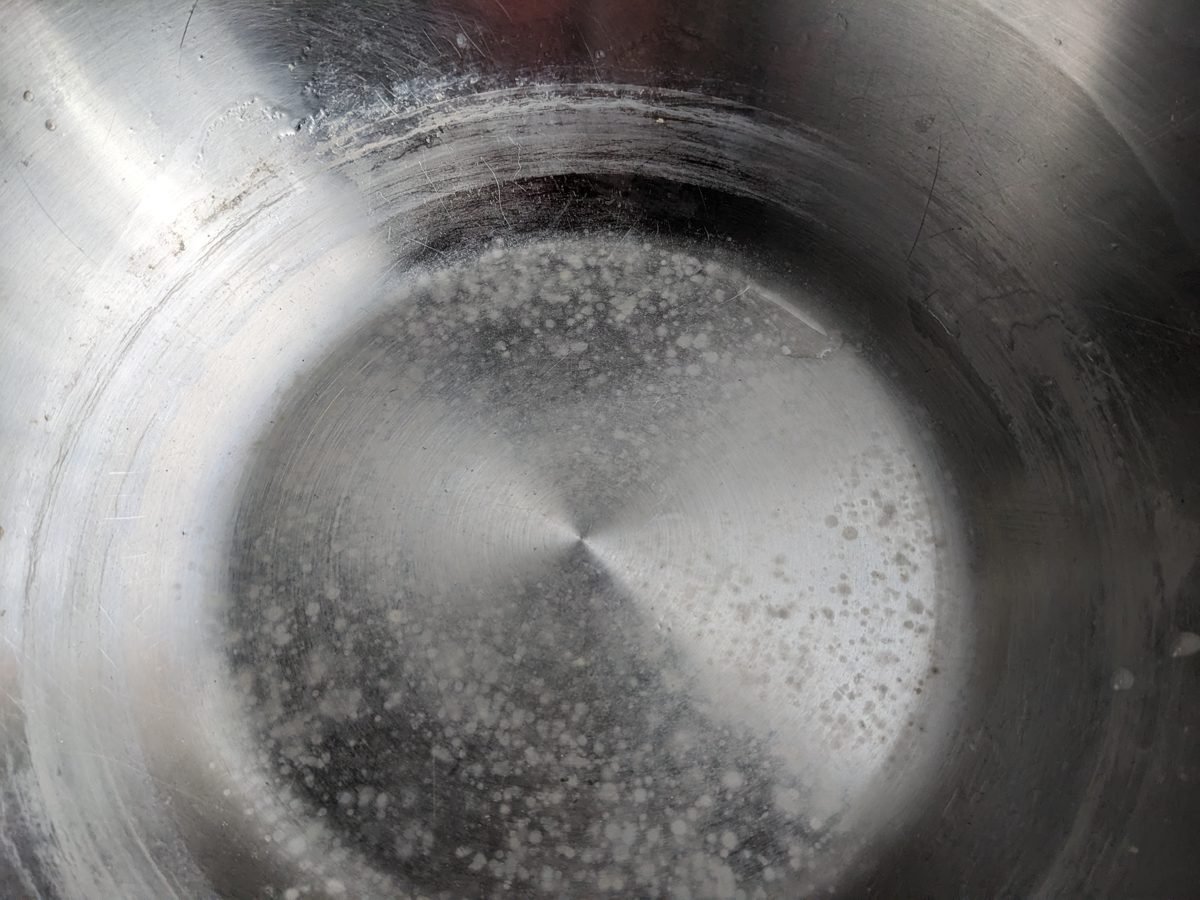
The EPA says to follow the manufacturer’s instructions on the use, maintenance and replacement of any materials, and it gives no set interval. Makers do. For example, Honeywell says its wicking filters “should be replaced every 30-60 days” depending on water quality and usage, and suggests replacing one that is hard, crusty or brittle, smells, or when moisture output drops. Your model may differ, so check the manual.
How cleaning differs by humidifier type
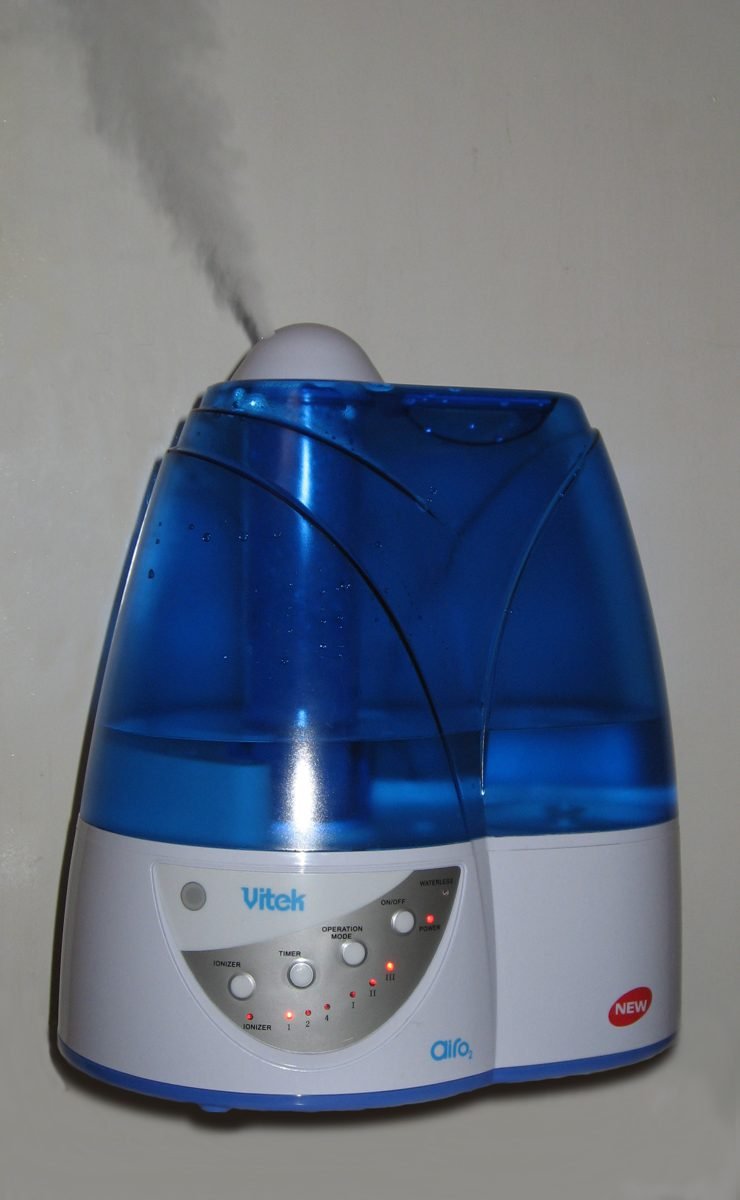
- Ultrasonic (cool mist): the tank, base and mist outlet get the brush and vinegar. Because it can release minerals into the air, water choice matters (see below).
- Evaporative (wick): the wick or filter does the work, so it needs the most attention. Rinse or replace it per the maker, and flip it if the maker says to.
- Warm mist (steam): it boils water, so mineral scale tends to form on the heating element. Descale per the manual and let everything cool completely first.
| Task | How often | Ultrasonic (cool mist) | Evaporative (wick) | Warm mist | Note |
|---|---|---|---|---|---|
| Empty, wipe dry, refill | Daily | Tank and base | Tank and tray | Tank, after it cools | EPA daily advice for portable units |
| Brush the tank and base | Every third day (EPA); weekly is a common maker schedule | Tank, base, mist outlet | Tray and tank | Tank and base | Unplug first |
| Descale with white vinegar | When scale shows, or weekly | Tank and base | Tray and tank | Heating element area | Check the manual first |
| Sanitize | Only if the manual allows | Per manual | Per manual | Per manual | Rinse well; never mix vinegar and bleach |
| Replace wick or filter | Per maker (Honeywell: 30-60 days) | Usually no wick | Yes | Usually no wick | Replace sooner if hard or smelly |
| Replace demineralization cartridge | Per maker | If your model has one | If your model has one | If your model has one | Model-specific |
| Deep clean and dry before storage | Once, end of season | Dry all parts | Remove and discard the old wick | Dry all parts | Store in a dry place |
Water choice, humidity range and a hygrometer
The EPA suggests using “water with low mineral content, such as distilled water, to prevent releasing minerals into the air,” and says distillation is the most effective way to remove minerals. It also notes that some people are bothered by a “white dust” that may appear on surfaces. If you see it, that is a sign minerals are not being removed.
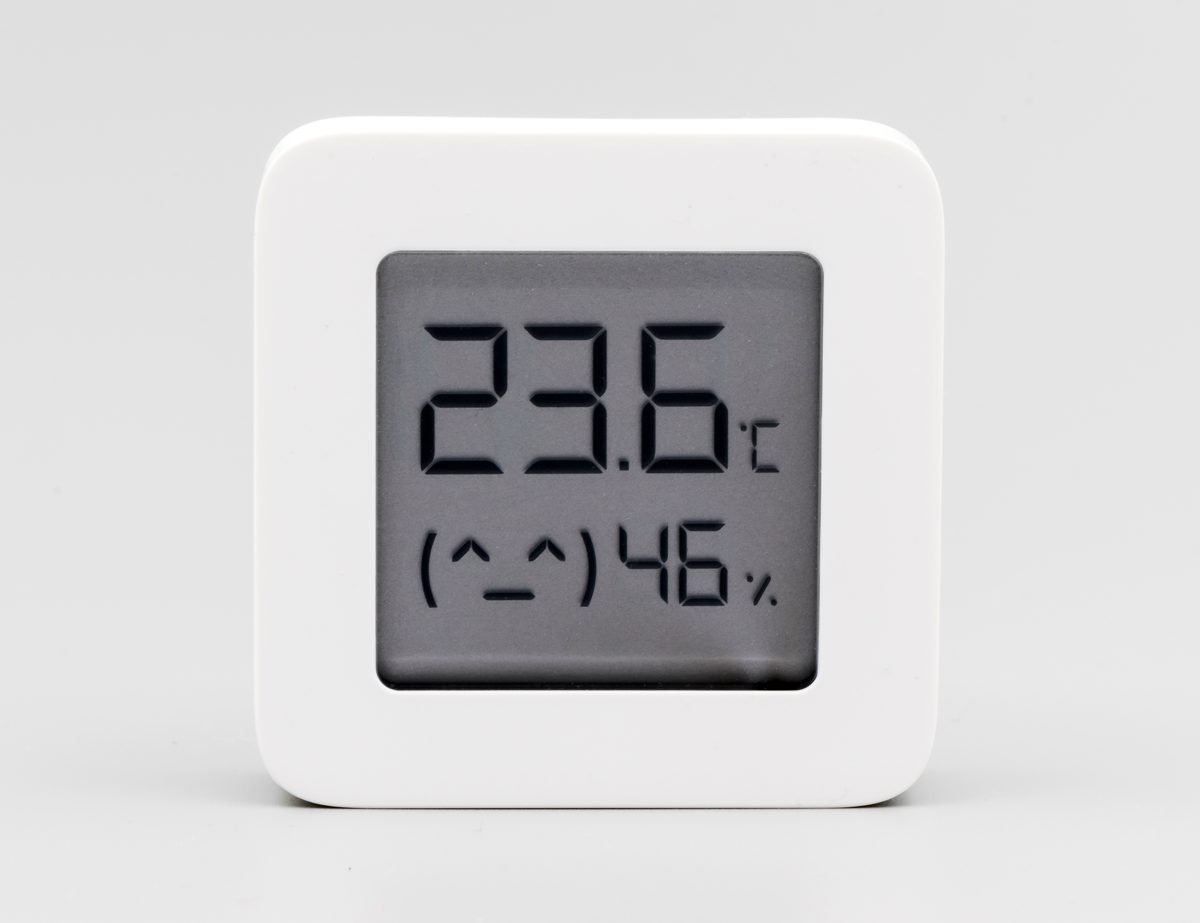
On humidity, EPA mold guidance says indoor relative humidity should be kept below 60 percent, ideally between 30 and 50 percent. In its humidifier guidance, the EPA says not to humidify to levels exceeding 50 percent. A hygrometer, which the EPA notes is available at hardware stores, tells you where you stand. Our indoor air quality monitors guide covers monitors that include humidity.
Condensation on windows or a damp feeling in the room suggests the air is too humid. If you see moisture on windows and other surfaces, turn the humidifier down or off for a while and check the reading on a hygrometer. If drafty windows are part of the picture, see our draft-proofing guide for renters. If you are still deciding whether you need one, our air purifier vs. humidifier explainer may help.
End-of-season storage
- Clean the humidifier as directed at the end of the season, or when it will not be in frequent use.
- Make sure all parts are dry before storage.
- Dispose of used demineralization cartridges, cassettes or filters, as the EPA advises.
- Store it in a dry location.
- When the cold returns, clean it again and wipe dust off the outside before you refill it.
Helpful items
These are products that fit the routine above. We describe features as the brands do and have not tested them.
- LEVOIT Classic 300S: an ultrasonic humidifier with a top-fill tank. Levoit says you can “reach inside the wide opening to clean with ease,” lists a 6 L tank and includes a cleaning brush in the box.
- Honeywell HAC-504 wicking filter (Filter A): for Honeywell cool moisture humidifiers. Honeywell says it fits nearly all of them, including the HCM-350 series, and recommends replacement every 30-60 days depending on water quality and use.
- TP50 digital hygrometer: a compact digital thermometer and hygrometer for checking room humidity at a glance.
- Govee H5075: a Bluetooth-connected hygrometer and thermometer, handy if you like to check readings on a phone.
See LEVOIT Classic 300S on Amazon (US)
Search Honeywell HAC-504 filters on Amazon (US)
See the TP50 hygrometer on Amazon (US)
See Govee H5075 hygrometer on Amazon (US)
Browse humidifier cleaning brushes on Amazon (US)
Confirmed vs. not
Confirmed (checked November 2026): the EPA’s “Use and Care of Home Humidifiers” page (last updated April 29, 2026) for daily emptying and drying, cleaning every third day, 3% hydrogen peroxide, thorough rinsing, low-mineral water, and storage advice. EPA mold guidance for the 30 to 50 percent range. Honeywell’s and Levoit’s product pages for the features quoted above.
Not confirmed: your own unit’s manual may differ on schedule, vinegar dilution or approved cleaners, so it wins. Brand claims such as “easy to clean” are the makers’ words. We could not confirm live Amazon listings, availability or stock, and the EPA page does not mention vinegar, so the vinegar step comes from maker guidance.
FAQ
How often should you clean a humidifier?
Empty, dry and refill it daily. The EPA says to clean portable humidifiers every third day, and many makers suggest at least weekly. Follow your manual.
Can I clean a humidifier with vinegar?
Often yes. Levoit’s blog describes white vinegar soaks, but check your manual first. Rinse thoroughly, and never mix vinegar with bleach.
Should I use distilled water in my humidifier?
The EPA suggests low-mineral water such as distilled water to prevent releasing minerals into the air.
What is the white dust from my humidifier?
The EPA describes it as a “white dust” that may appear on surfaces and indicates minerals are not being removed. Distilled water is the usual fix.
What humidity should I keep my home at?
EPA mold guidance says below 60 percent, ideally 30 to 50 percent, and its humidifier page says not to humidify above 50 percent. A hygrometer will tell you.
How we wrote this
- We researched official guidance and maker pages. We did not test these products.
- Product features are quoted as the brands describe them.
- No brand paid for a mention.
Sources
- EPA: Use and Care of Home Humidifiers
- EPA: Mold Course, Chapter 2
- LEVOIT Classic 300S product page
- LEVOIT: How to Clean Your Humidifier
- Honeywell HAC-504 replacement filter page
Written by the Sunshine and Fresh Air team. Last checked: 10 November 2026.