
A cold draft near a window or door can make a warm room feel chilly, and it can nudge you toward running a space heater more than you would like. The good news is that most renters can cut drafts with fixes that peel off cleanly when the lease ends.
This guide shows how to find drafts, which reversible fixes suit which gaps, and when a problem belongs with your landlord instead.
Quick answer: Find leaks with a damp hand or a carefully held incense stick on a cold or windy day. Then use removable options: rope caulk for small gaps, adhesive weatherstripping on door and window frames, a slide-on draft stopper or door sweep at the floor, window film or thermal curtains over glass, and foam gaskets behind outlet covers on exterior walls. Test adhesives in a hidden spot first. Ask your landlord, in writing, to repair broken seals, failing thresholds, frame gaps, or anything involving mold or condensation. Never block vents or air supply for gas appliances.
How to find drafts first
Fixing the right spot beats covering everything. The U.S. Department of Energy (DOE) Energy Saver guide suggests checking for leaks on a windy day, and utility programs such as Energy Trust of Oregon describe the same simple checks you can do yourself. Leaks are easier to feel and see when it is cold or windy outside.
- Damp hand test: Wet the back of your hand and move it slowly along window edges, door frames, and baseboards. Moving air feels cool on damp skin. If you have kids or pets at home, start with this test.
- Incense stick test: Hold a lit incense stick near the same spots, well away from curtains, paper, and anything that burns. If the smoke bends or streams sideways, air is moving there. Incense is optional; the damp-hand test is enough on its own. Put the stick out fully afterward. We do not recommend a candle for this, because an open flame near curtains is a hazard.
- Light test: Look at the bottom of an exterior door in a dim room. If you can see daylight under it, air can get through.
Reversible fixes, by gap type
The thread running through all of these is the same: use something you can lift off, reuse, or recycle without leaving damage behind. Adhesives can mark some paints and finishes, so press a small piece in a hidden spot, leave it for a day or two, and peel it off to see what happens. Only you can tell how your own paint reacts.
Doors
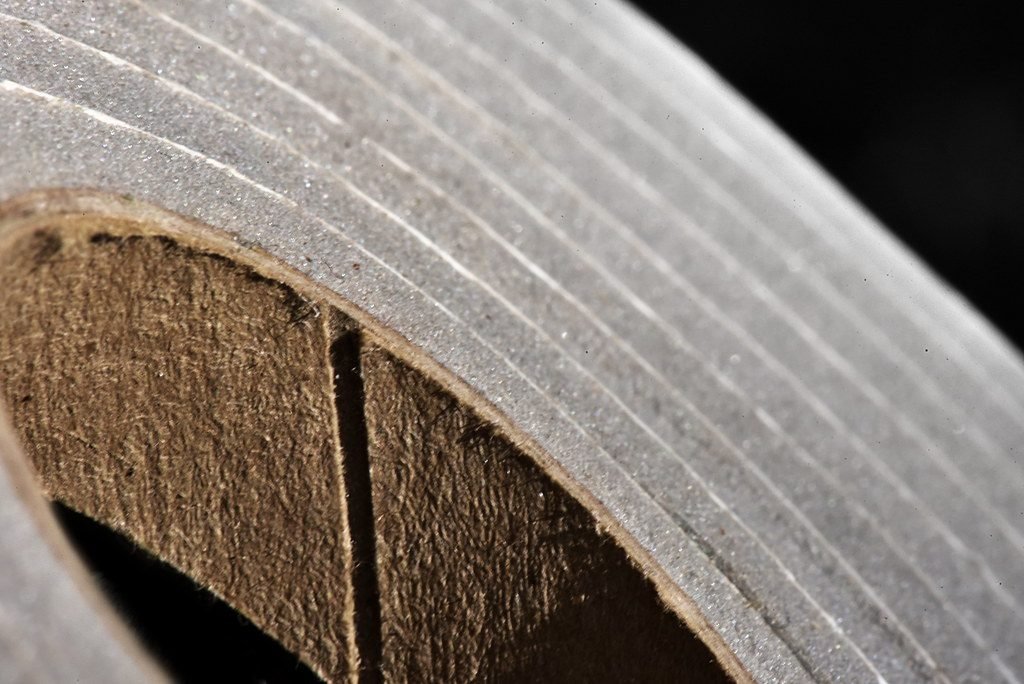
- Frame gaps: Self-adhesive foam or V-shaped (V-seal) weatherstripping goes on the door jamb where the door closes against it. Clean the surface, measure, cut, and press it on. It should compress when the door closes but not make the door hard to latch.
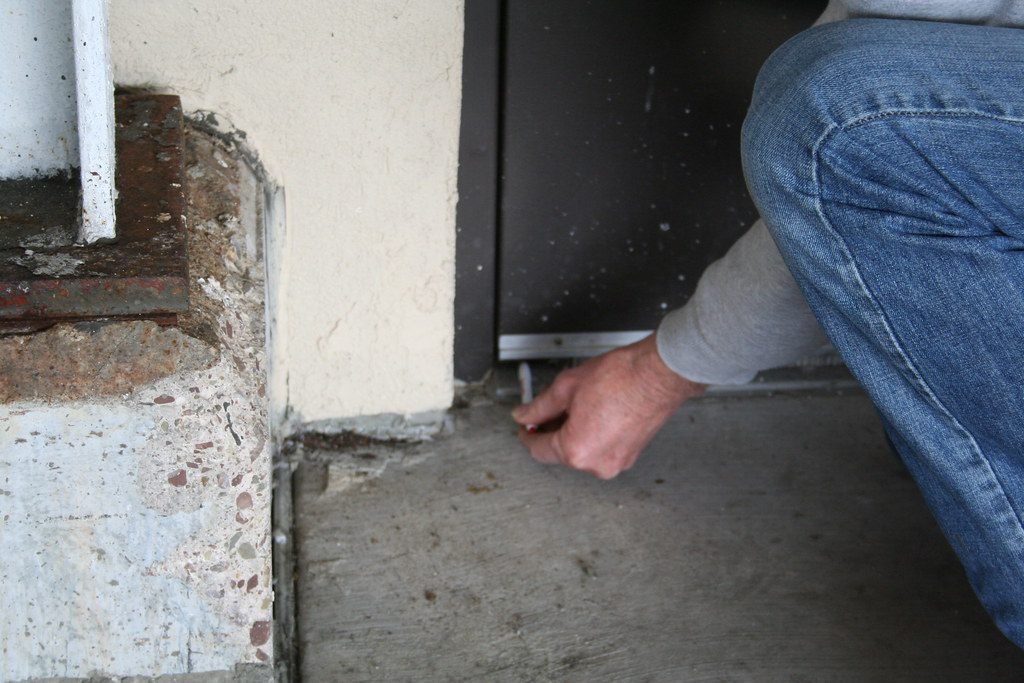
- Bottom gap: A slide-on draft stopper (often called a door snake) needs no screws. Frost King's Door or Window Double Draft Stop, for example, is made to slide under the door. A fabric tube filled with rice, dried beans, or fabric scraps works too, and it is easy to sew from an old sock or pant leg.
- Door sweeps: Adhesive-mounted sweeps exist for renters who prefer not to drill. Check how the adhesive is meant to come off before you stick it down.
Windows
- Small gaps and cracks: Rope caulk, such as Frost King Mortite, is a pliable cord you press into a gap with your fingertip. Thermwell describes it as peel, press, done, and Frost King lists it for sealing windows. It can usually be pulled off later, though it may leave a little residue on some surfaces, so test first. Use it only on windows you do not plan to open this winter.
- Window frame edges: Adhesive foam or V-seal strips can work on sashes that you do open. Choose a thickness that still lets the window close.
- Shrink-film kits: Clear film stretched over the inside of a window adds a still layer of air. A kit such as the 3M Indoor Window Insulator Kit includes film and double-sided tape. Follow the instructions on the box, since tape can lift paint on some trim.
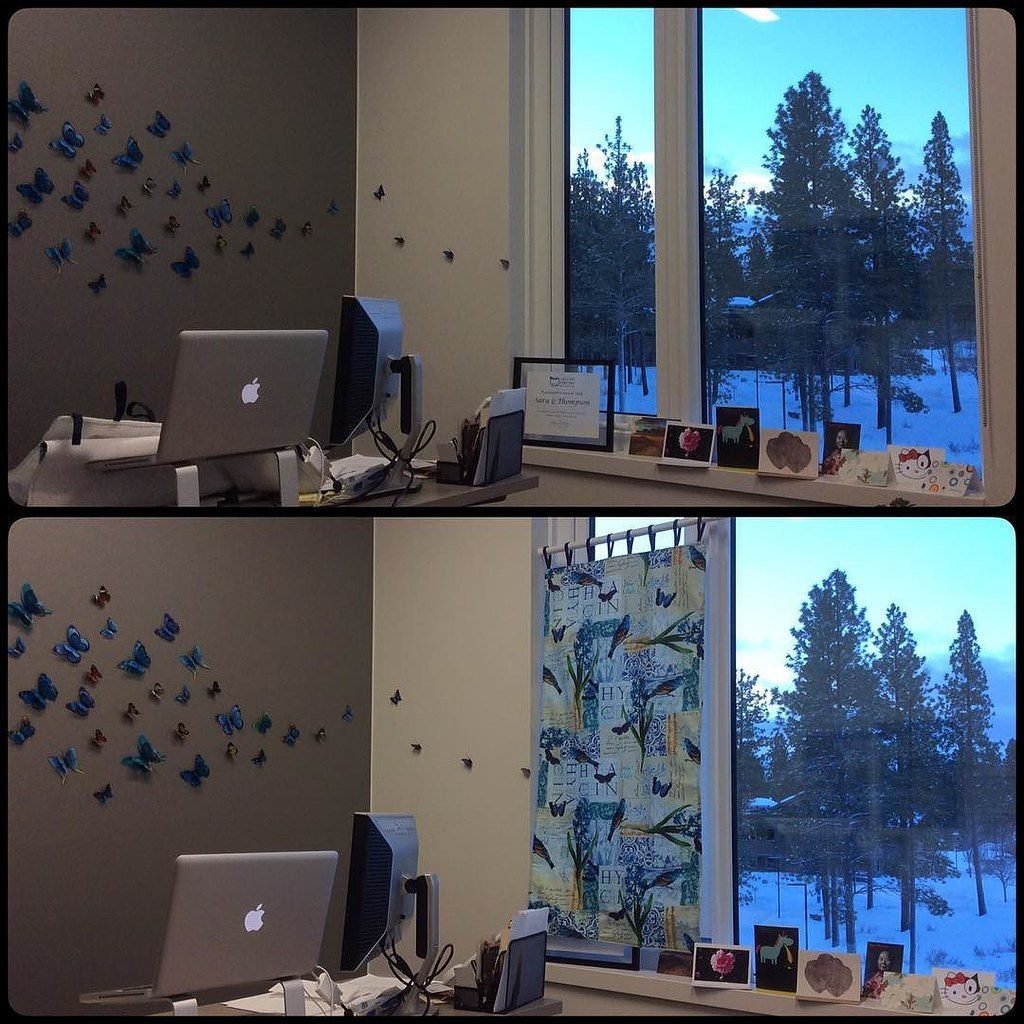
- Thermal curtains: Heavy, lined, or insulated curtains add a barrier you can wash, reuse, and take with you. Close them at night and open them on sunny days to let in warmth. Where you can, choose curtains over disposable film.
Outlets and switches on exterior walls
Air can seep behind cover plates on outside walls. Foam gaskets made for outlets and switches sit behind the plate. If you try them, you must switch off the circuit at the breaker before fitting; this is a required step. Then unscrew the plate carefully, fit the gasket, and replace the plate. If any of that feels uncertain, skip this one or ask your landlord or a licensed electrician. Never push foam or tape into the outlet openings themselves.
Other gaps
Small gaps along baseboards or trim can take rope caulk, while larger ones are a landlord matter. Ask your landlord before blocking a fireplace flue or inserting anything into it, and see the safety section below.
Fix comparison table
| Fix | Where it helps | Renter-friendly? (reversible notes) | Effort | Low-waste note |
|---|---|---|---|---|
| Rope caulk | Small window gaps and cracks | Peels off; may leave residue, so test first | Low | Leftover cord can be saved |
| Adhesive foam or V-seal strip | Door and window frames | Adhesive may mark paint; test a hidden spot | Low to medium | Buy only the length you need |
| Slide-on draft stopper or door snake | Bottom of doors | No screws or glue | Very low | Reusable; can be sewn from scraps |
| Adhesive door sweep | Bottom of doors | Check how the adhesive comes off | Low | Lasts if fitted well |
| Shrink-film window kit | Single-pane or leaky windows | Tape may lift paint; follow kit directions | Medium | Film is usually single-season, so use only where needed |
| Thermal curtains | Windows and glass doors | Hang on an existing rod; take with you | Low | Reusable for years |
| Outlet and switch gaskets | Exterior-wall outlets | Sits behind the plate; keep for move-out | Low | Small and reusable if kept |
Does it save energy?
ENERGY STAR says that sealing air leaks and adding insulation can provide up to 10% savings on annual energy bills. That figure refers to sealing and insulating together, which is whole-home work. A few renter-level fixes will likely do less, and results depend on your home, climate, and heating. The more reliable benefit is comfort: fewer cold spots near windows and doors.
If you are tempted to fight a drafty corner with a space heater, read our space heater safety and efficiency guide first. Sealing the draft often helps more than adding heat.
What to ask your landlord to fix
Some problems are not DIY jobs. Consider writing to your landlord about:
- Cracked, missing, or worn window or door seals
- Gaps around window frames or between the frame and the wall
- A door threshold that no longer closes the gap, or windows that do not close properly
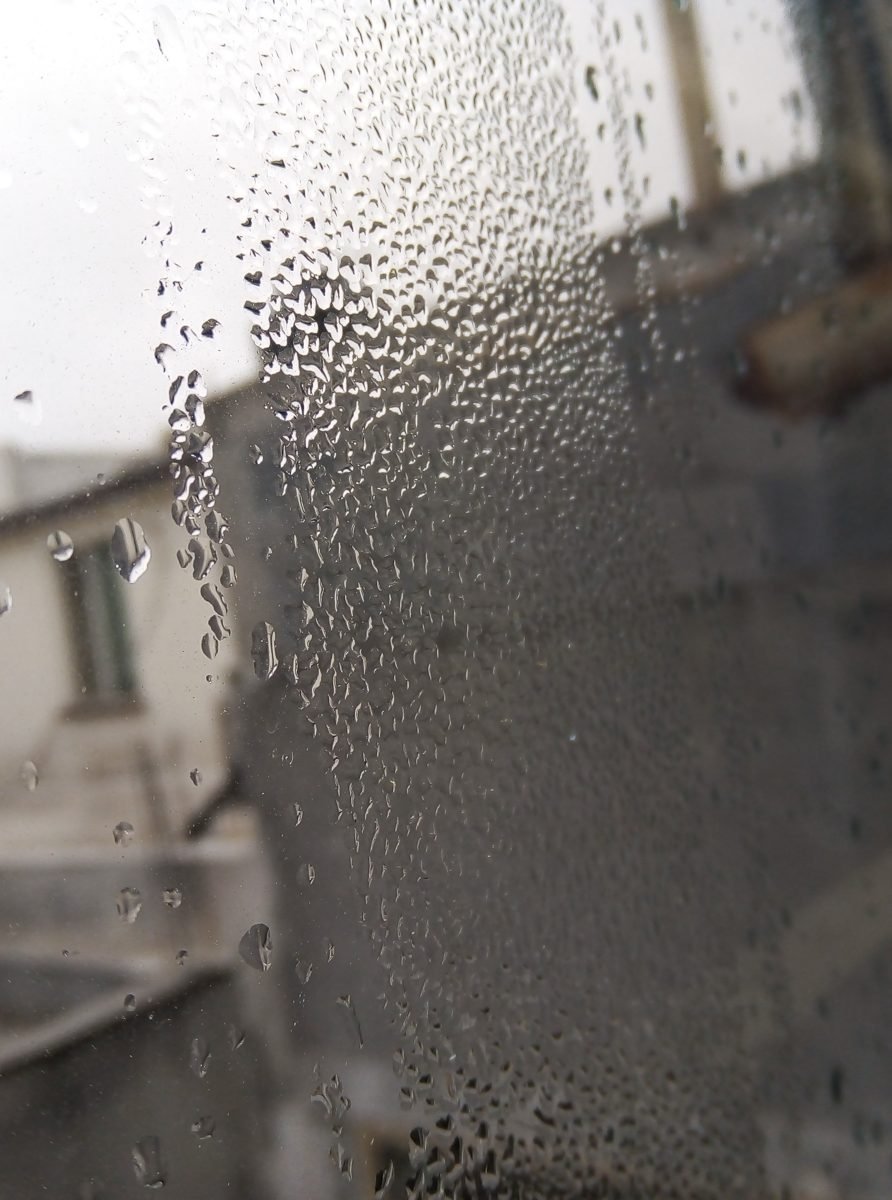
- Condensation that keeps returning, or any mold
Put the request in writing (email or a letter, whichever your lease says) and keep a copy. Say where the problem is, when you noticed it, and what the effect is. Add a few dated photos. Be polite and specific, and ask when you can expect a reply.
Repair duties differ by state, city, and lease, so check your lease and your local tenant resources. Nothing here is legal advice. Ask before you alter anything permanently, and ask whether a particular product is allowed.
Mold and constant condensation can point to moisture or ventilation trouble, not only drafts. Our guide to air purifiers and humidifiers touches on indoor humidity, and recurring moisture is worth reporting to your landlord in writing.
Safety: vents, gas appliances, and CO alarms
Do not seal vents or block the air supply to a furnace, gas water heater, fireplace, or gas stove. These appliances need air and need their exhaust to leave the home. The U.S. Environmental Protection Agency (EPA) lists back-drafting from furnaces, gas water heaters, wood stoves, and fireplaces as a source of carbon monoxide (CO), and notes that blocked flues can be a problem.
The Centers for Disease Control and Prevention (CDC) advises installing battery-operated or battery backup CO detectors near every sleeping area, and making sure gas appliances are vented properly. The Consumer Product Safety Commission, quoted by EPA, recommends CO alarms on each level outside each sleeping area. If you have gas appliances and no CO alarm, ask your landlord about one, and check your local rules. Keep registers and radiators clear, and keep curtains and draft stoppers well away from heat sources.
Products to look at
These are examples of the product types above, described as the makers describe them. We have not tested them.
- Frost King Mortite caulking cord: Frost King calls it the original name in do-it-yourself fingertip caulking and says it will seal windows effectively. Thermwell's page says "Just Peel, Press and You're Done."
- 3M Indoor Window Insulator Kit: A film-and-tape kit that 3M describes as staying up all season with Scotch tape technology.
- Frost King Door or Window Double Draft Stop: Frost King says you can slide it under the door or close the window on it, and that it blocks drafts and dust.
- Frost King V-Seal weatherstrip: Frost King lists it as perfect for very narrow cracks and gaps.
See Frost King Mortite rope caulk on Amazon (US)
See 3M Indoor Window Insulator Kit on Amazon (US)
See 3M five-window insulator kit on Amazon (US)
See Evelots under-door draft stopper on Amazon (US)
For another renter-friendly upgrade that needs no installation, see our induction cooking for renters guide.
Confirmed vs. not
Confirmed (as of November 2026):
- ENERGY STAR says sealing and insulating can give up to 10% savings on annual energy bills (energystar.gov).
- The DOE Energy Saver guide describes holding a lit incense stick near windows and doors on a windy day to find leaks, and lists foam gaskets behind outlet and switch plates (energy.gov). Energy Trust of Oregon describes the damp-hand test.
- CDC advises battery-operated or battery backup CO detectors near every sleeping area, and properly vented gas appliances (cdc.gov, page updated October 2026).
- EPA lists back-drafting from fuel-burning appliances as a CO source (epa.gov, updated July 2026).
Not confirmed: brand claims beyond what the makers state, how much you would save, whether a given adhesive will mark your paint, and whether any product is in stock.
FAQ
Can renters weatherstrip windows and doors?
Often yes, using removable or adhesive-backed products. Check your lease, test adhesive in a hidden spot, and avoid drilling or permanent changes without asking.
Will window insulation film damage paint?
It can. The double-sided tape may lift paint on some trim. Follow the kit instructions, test first, and remove the tape slowly at move-out.
Does draft-proofing really save energy?
It can. ENERGY STAR says sealing and insulating can give up to 10% savings on annual energy bills. Small renter fixes will likely save less, and results vary.
What is the cheapest way to stop a door draft?
A rolled towel or a homemade fabric draft stopper at the bottom of the door costs almost nothing and can be reused.
Should I ask my landlord to fix drafty windows?
If seals are broken, frames have gaps, or windows do not close properly, yes. Put the request in writing with photos. Rules vary by state and lease.
How we wrote this
- We researched this guide. We did not test the products.
- Product features are quoted as the brands describe them.
- No brand paid for a mention.
Sources
- U.S. DOE: Energy Saver guide (PDF)
- Energy Trust of Oregon: Find out if your home has air leaks
- ENERGY STAR: Seal and Insulate
- CDC: Carbon Monoxide Poisoning Basics
- EPA: Carbon Monoxide's Impact on Indoor Air Quality
- Frost King: Mortite Fingertip Caulking Cord
- Frost King: Door or Window Double Draft Stop
- Thermwell: Mortite
Written by the Sunshine and Fresh Air team. Last checked: 9 November 2026.