
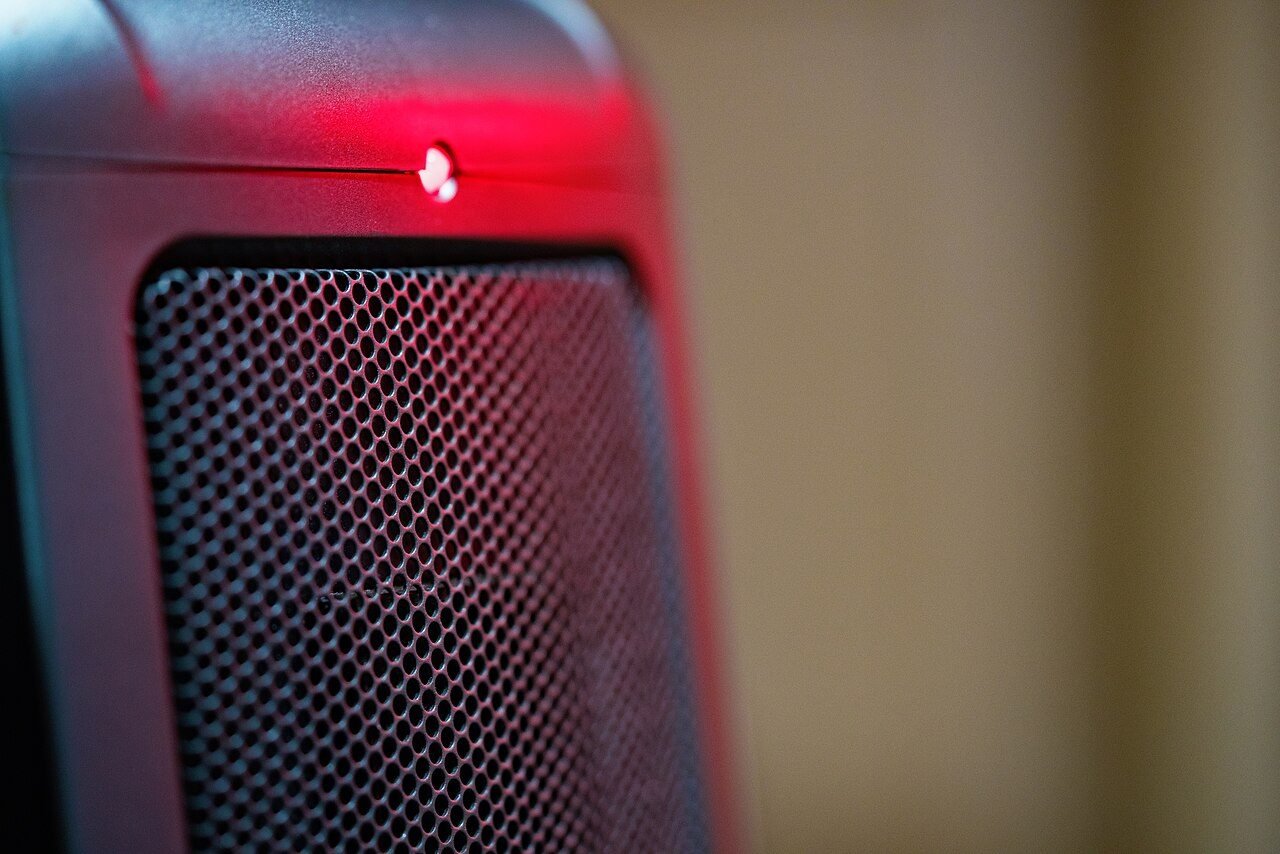
Quick answer: A plug-in electric space heater turns essentially all the electricity it uses into heat, so no model is “more efficient” than another at that step. It saves money only when it lets you heat one room you are using while you turn the central thermostat down. It costs more when several run at once or when it stands in for whole-house heating.
If you are searching “are space heaters energy efficient,” you will find two confident answers: “yes, 100%” and “no, they are bill-killers.” Both are partly right. This guide separates the physics from the marketing, does the cost math with your own rate, and covers safety, including a heater recall announced just days ago.
Are space heaters energy efficient? What “100%” really means
The U.S. Department of Energy’s Energy Saver guide puts it plainly: “Electric resistance heating is 100% energy efficient in the sense that all the incoming electric energy is converted to heat.” Natural Resources Canada says the same thing another way: electric space heaters “produce one unit of heat for every unit of electricity.”
That has a practical consequence for labels. “Eco,” “energy-saving,” or “saves up to X%” on a plug-in resistance heater cannot mean the element wastes less electricity, because there is little waste to remove. Savings claims are about heating less space, or for less time: zoning, a thermostat that cycles the heater, or a timer.
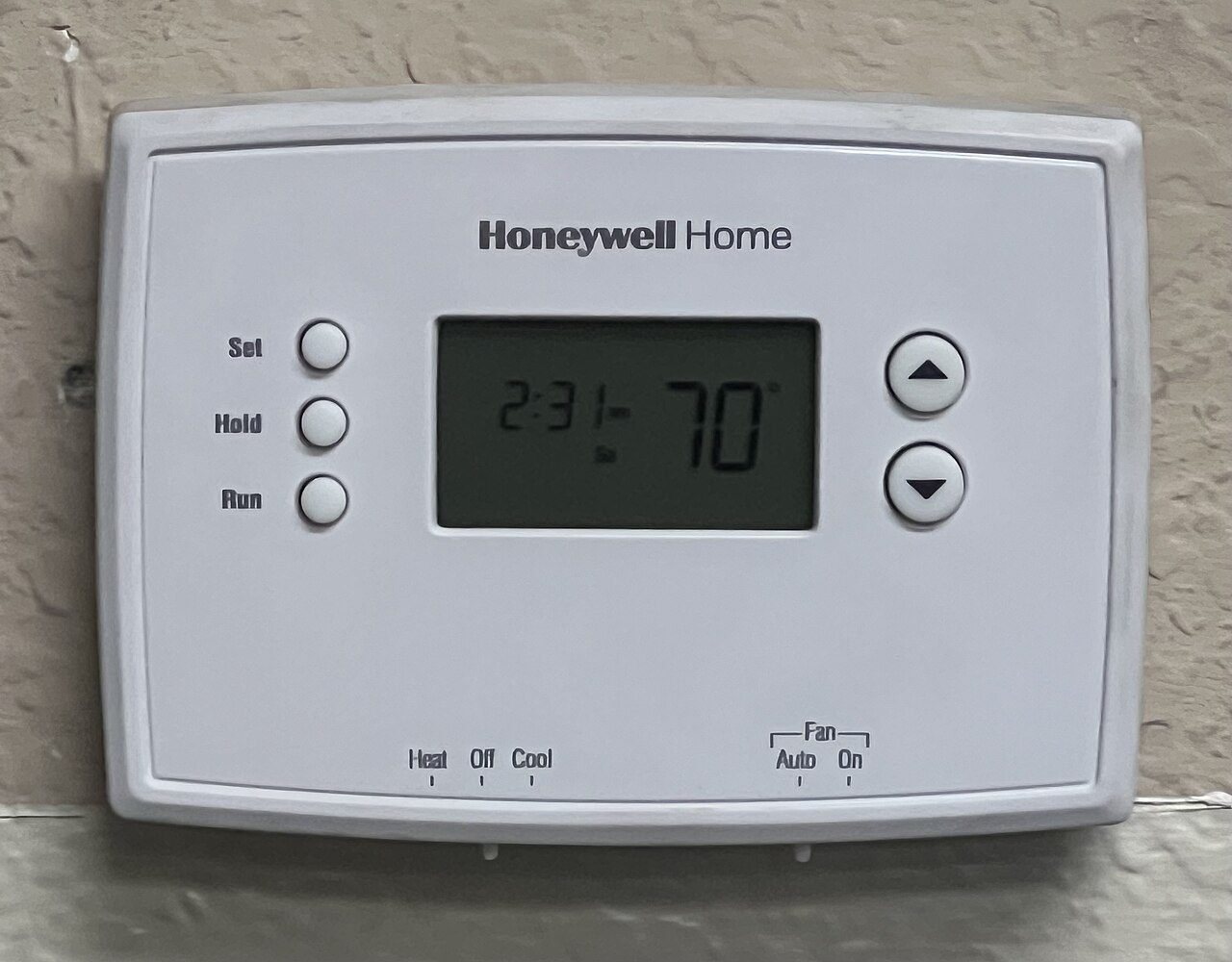
The types you see in stores differ in how heat is delivered, how fast the room warms, and how quiet it is. They do not differ in watts-to-heat conversion. Most plug-in models top out around 1,500 watts. For example, Lasko lists its CT22850 tower at an energy output of 900 W to 1500 W on 120 V, (the maker’s own spec page).
On a 15-amp, 120-volt household circuit, simple arithmetic gives 15 × 120 = 1,800 W of capacity, and the Lasko page lists a draw of up to 12.5 A. That is why a 1,500 W heater can use most of a circuit that may also feed other outlets in the room. Your breaker panel label or an electrician can tell you what else shares it.
Running-cost math you can do on your bill
The formula: watts × hours ÷ 1,000 = kilowatt-hours (kWh), then multiply by your rate in cents per kWh. Find your rate on your electricity bill; it varies a lot by state and utility.
Worked example, using an assumed rate of 18 cents per kWh (for reference, the U.S. Energy Information Administration’s Electric Power Monthly lists an average U.S. residential price of 18.16 cents per kWh for August 2026, a preliminary figure released October 23, 2026):
- 1,500 W for 8 hours = 1,500 × 8 ÷ 1,000 = 12 kWh
- 12 kWh × 18 cents = 216 cents for the day
- The same heater at 900 W for 8 hours = 7.2 kWh, or about 130 cents
Because a thermostat cycles the element on and off, real use is often lower than “full power all day.” Your actual number depends on the room, insulation, and weather.
When a space heater saves money, and when it does not
It can save when you spend hours in one room and you lower the central thermostat to match. DOE’s home heating fact sheet notes that portable heaters “are used when the main heating system is inadequate or when central heating is too costly to install or operate.” The saving comes from turning central heat down while you warm only the room you use.
It usually does not save when you run one in every room, or heat the whole home this way while the central system also runs. You pay for both.
Space heater types at a glance
| Type | How it heats | Good for | Watch out for |
|---|---|---|---|
| Ceramic / fan-forced | Heated ceramic element with a fan blowing warm air | Quick warm-up of a small room or desk area | Fan noise; air movement can feel drafty |
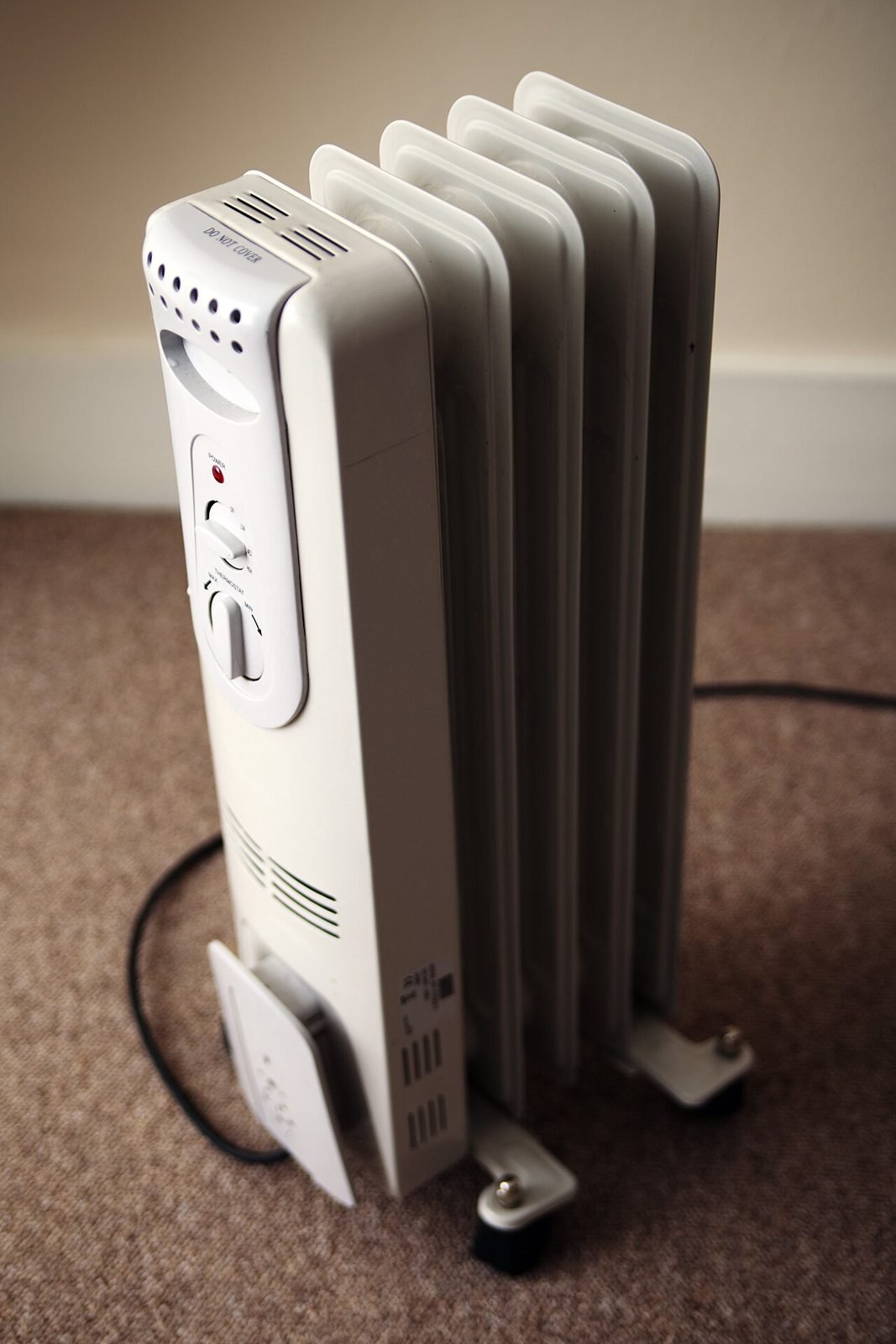
| Oil-filled radiator | Sealed oil is heated; the metal fins radiate and convect warmth | Quiet, steady heat for bedrooms and offices | Slow to warm up; heavy; surfaces get hot |
| Infrared / radiant | Warms people and objects directly rather than the air | Spot warmth where you sit | Warms only what it faces; keep clear of fabrics |
| Convection | Air rises past a heated element and circulates | Quiet background warmth in a closed room | Slower to feel warm in a large or drafty space |
All four are resistance heaters, so a 1,500 W model of any type adds about the same heat per hour. Choose by noise, speed, and where you sit.
Heat pumps: the genuinely more efficient electric option
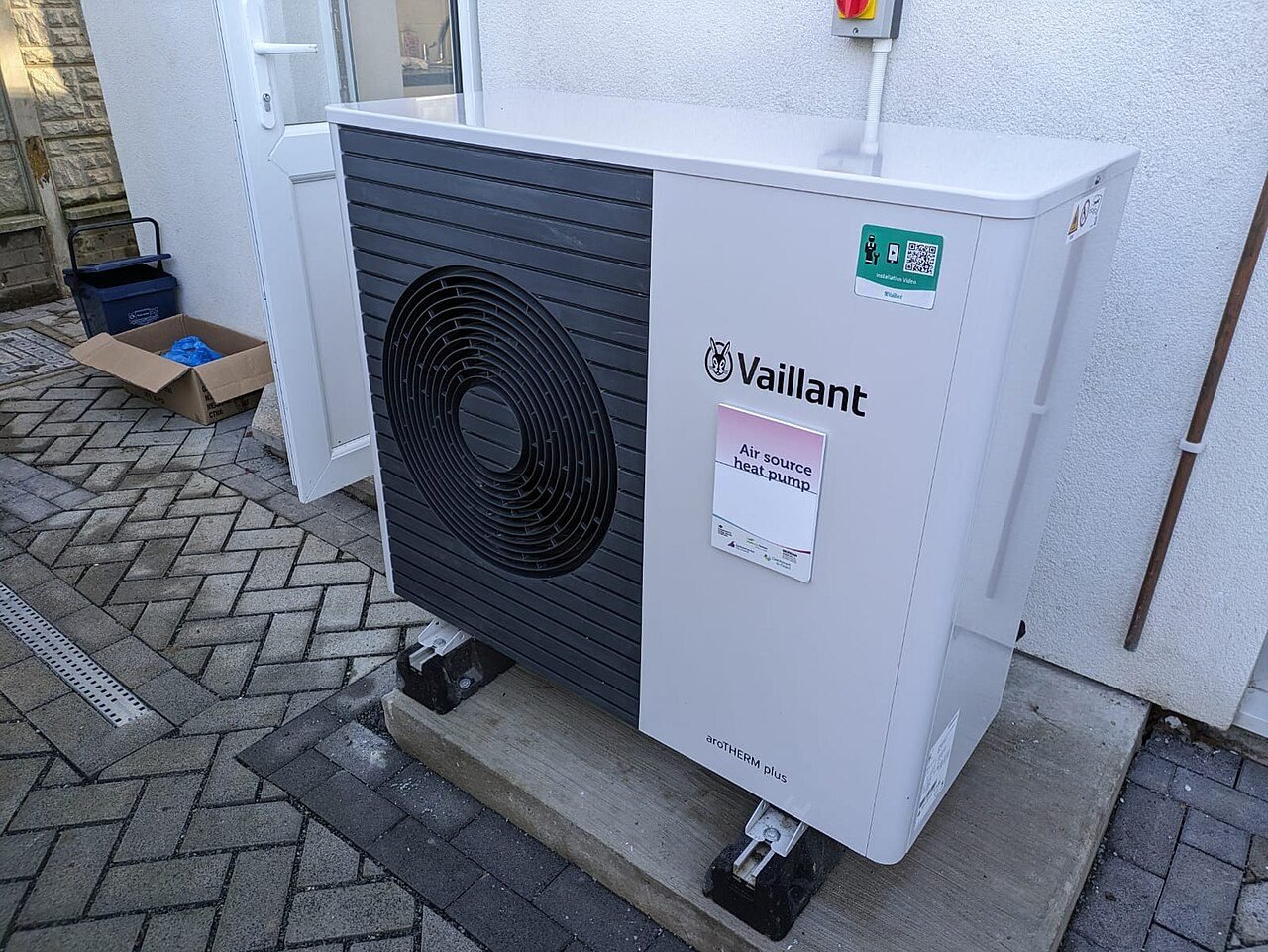
A heat pump moves heat from one place to another instead of making it, so it can deliver more heat than the electricity it uses. DOE’s Energy Saver guide says that if electricity is the only choice, “heat pumps are preferable in most climates, as they easily cut electricity use by 50% when compared with electric resistance heating.” Natural Resources Canada gives geothermal heat pumps as an example that “can deliver three units of heat for every unit of electricity used.”
For the “green” question, that is the real gap: resistance heating at best matches 1 unit of heat per unit of electricity, while a heat pump can exceed it. Portable and window heat pump units exist too; if you rent, check what your lease allows. Renters thinking about electrification may also like our guide to induction cooking for renters.
Safety first, without the fear
The U.S. Consumer Product Safety Commission (CPSC) Safety Alert “Reducing Fire Hazards for Portable Electric Heaters” (Pub. 098, 2013 edition) says portable electric heaters were involved in approximately 1,200 fires per year from 2008 to 2010 (old data, but the advice has held up). Its core tips:
- Keep combustible material such as beds, sofas, curtains, papers, and clothes at least 3 feet from the front, sides, and rear.
- “Never power the heater with an extension cord or power strip.” Plug straight into a wall outlet that grips the plug tightly.
- “Never leave the heater operating while unattended, or while you are sleeping.”
- Look for a safety certification mark (for example UL, ETL/Intertek, or CSA, which are recognized testing labs).
- Place it on a stable, level surface where it will not be knocked over, and never run the cord under rugs.
- Inspect the heater, cord, and plug before use. If the plug or outlet feels hot, stop using it.
Tip-over and overheat shutoffs are common features worth having. Keep working smoke alarms in the home.
Recall news (as of November 2026): On October 29, 2026, CPSC announced a recall of DREO model DR-HSH015 space heaters, made April 2025 through January 2026, saying they “can overheat and ignite, posing fire and burn hazards.” About 338,800 were sold in the U.S. Owners are asked to stop using them and contact DREO for a replacement. Whatever you own, check cpsc.gov/Recalls for your model.
Fuel-burning heaters and carbon monoxide
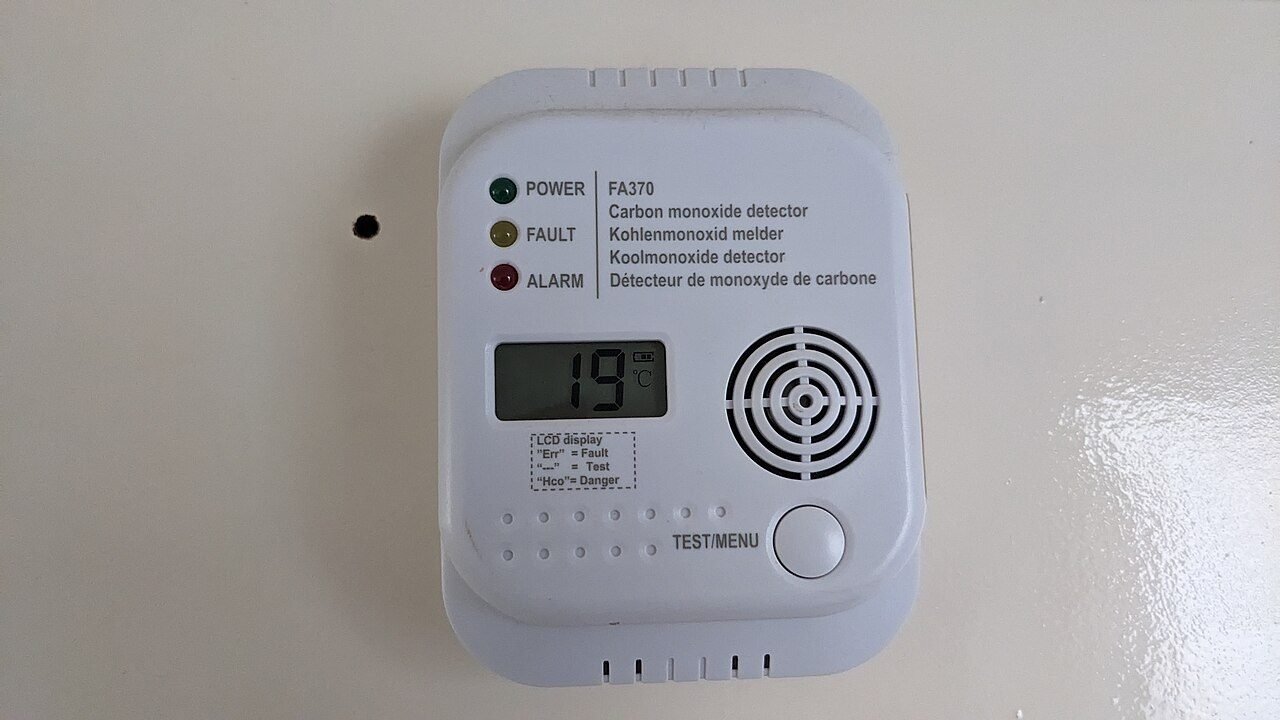
Electric heaters do not burn fuel indoors, but kerosene, propane, and generators do. The CDC says: “Never heat your house with a gas oven,” and “Never use a generator inside your home or garage, even if doors and windows are open.” It adds that generators should be used outdoors, more than 20 feet from windows, doors, and vents, and that you should install battery-operated or battery backup CO detectors near every sleeping area (CDC page updated October 26, 2026). If you use any fuel-burning appliance, a carbon monoxide alarm is cheap insurance.
Power outages: be realistic about heaters
A portable power station can technically run a 1,500 W heater, but not for long. A 1,000 Wh unit gives 1,000 ÷ 1,500 ≈ 0.67 hours, about 40 minutes, and conversion losses mean it will be somewhat less. Better outage-warmth ideas:
- Wear layers and use blankets; Ready.gov winter guidance (updated November 3, 2026) advises layers of warm clothing and keeping wrapped up in warm blankets, including head and neck.
- Gather everyone in one room and close the door; hang heavy curtains or blankets over windows at night.
- Use warming centers: Ready.gov says to check with local officials about heating and cooling locations.
Never use a gas oven or stove for heat. Ready.gov: “Do not use a gas stove or oven to heat your home. It increases your risk of carbon monoxide poisoning.” Grills and generators belong outdoors only. For realistic backup power, see our guides to a solar generator for home backup and what a power station runs.
Air quality and dry winter air
Electric heaters add no combustion fumes indoors. Heated indoor air often feels dry, though; our air purifier vs humidifier guide covers what each does.
Buying checklist
- A recognized safety certification mark on the product or manual
- Tip-over and overheat shutoff
- Adjustable (ideally digital) thermostat and a timer
- Cool-touch housing, or a guard you can live with
- Cord length (so you never need an extension cord), and noise level
- Right size for one room, not a whole house
Examples with features as the brands describe them (we have not tested these): Vornado’s MVH lists a cool-touch exterior, tip-over protection, an automatic shut-off system, three heat settings and an adjustable thermostat. De’Longhi sells a 1500 W oil-filled radiator for quiet, fanless heat; note that its listing calls it “Energy Saving,” which, as above, can only mean using it for less time or in less space. If you use any fuel-burning appliance, First Alert’s plug-in CO alarm has a battery backup so it keeps monitoring during a power outage. Availability changes, so check the retailer. On judging sales, see Black Friday green deals.
See the Vornado MVH heater on Amazon (US)
See the De’Longhi oil-filled radiator on Amazon (US)
See the First Alert plug-in CO alarm on Amazon (US)
Browse ceramic tower heaters on Amazon (US)
Browse oil-filled radiator heaters on Amazon (US)
Is “eco mode” green?
It can be useful, but it does not change the conversion efficiency. Eco modes typically hold a set temperature by cycling the heater, which cuts total hours at full power. That is real savings from less use. For how we weigh such claims, see how we judge green claims.
FAQ
Are space heaters cheaper than central heating?
Only when you heat one occupied room and turn the central thermostat down. Heating many rooms with heaters usually costs more.
Is an oil-filled radiator more efficient than a ceramic heater?
No. Both turn essentially all their electricity into heat. Oil-filled units warm more slowly and quietly; ceramic fan units warm faster.
Can I use an extension cord?
CPSC says never power the heater with an extension cord or power strip. Plug it directly into a wall outlet.
Can I leave a space heater on overnight?
CPSC advises against leaving a heater operating unattended or while you are sleeping.
Can a portable power station run a space heater in an outage?
Only briefly. A 1,000 Wh unit running a 1,500 W heater lasts well under an hour. Layers and one warm room go much further.
How we wrote this
- Researched from public sources, not tested; we did not buy or try any product.
- Brand features are quoted as the brand’s claims from its own pages.
- No brand paid for a mention. Some links are affiliate links.
- Time-sensitive facts are dated as of November 2026.
Sources
- CPSC Safety Alert: Reducing Fire Hazards for Portable Electric Heaters (Pub. 098)
- CPSC: DREO recall of DR-HSH015 space heaters, October 29, 2026
- CDC: Carbon Monoxide Poisoning Basics
- Ready.gov: Winter Weather and Power Outages
- EIA Electric Power Monthly, Table 5.6.A
- U.S. DOE Energy Saver: Electric Resistance Heating (archived January 2026) and DOE home heating fact sheet (PDF)
- Natural Resources Canada: Electric heaters
- Lasko CT22850 product page