
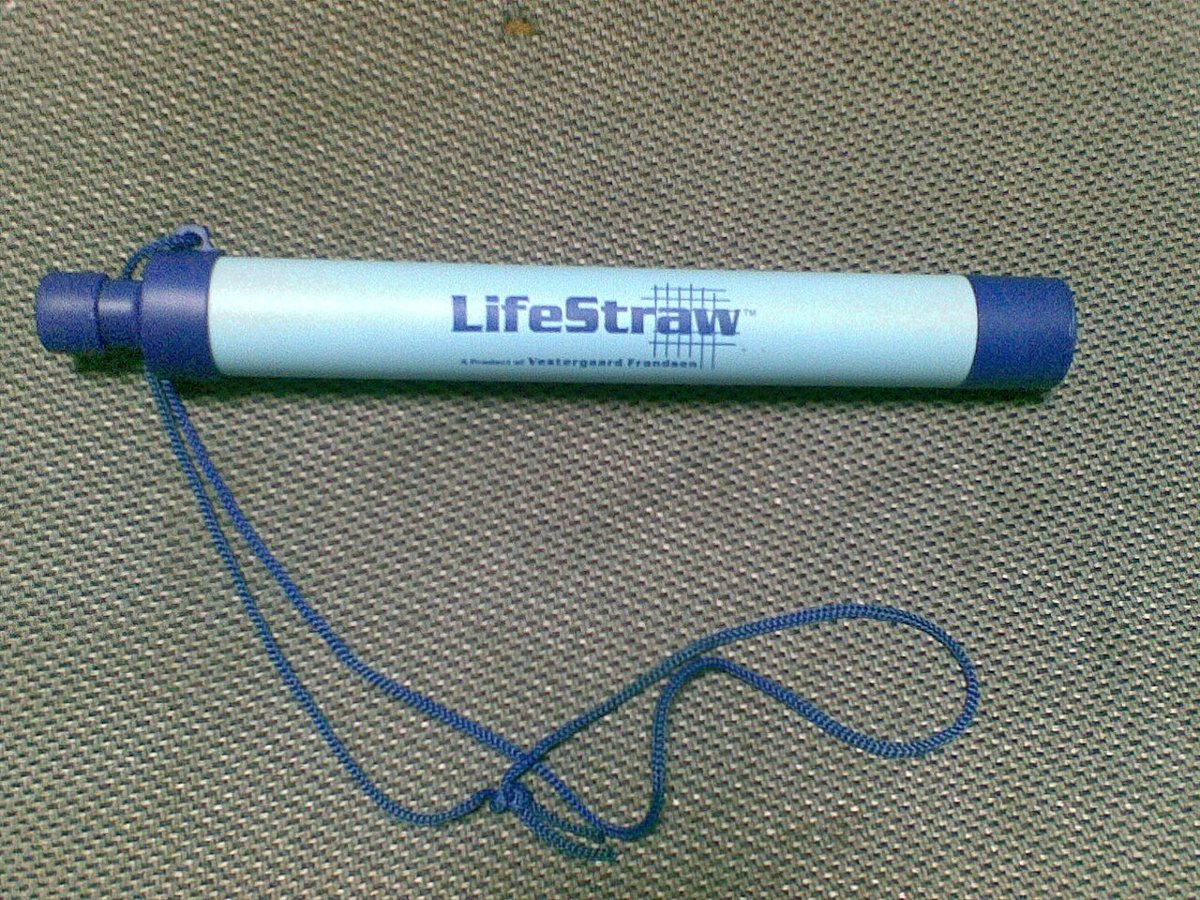
A LifeStraw is a small, light way to turn creek or lake water into something much safer to drink, which is why it shows up in day packs and emergency kits alike. It is also easy to overestimate. Here is what a straw or squeeze filter does, what it leaves behind, and where boiling still comes first.
Quick answer: A LifeStraw-type filter uses a hollow-fiber membrane to physically block bacteria, protozoan parasites such as Giardia and Cryptosporidium, microplastics and silt. LifeStraw says its filters do not remove viruses or salt, and no membrane straw removes fuel or toxic chemicals. The CDC calls boiling the best way to kill germs, and says filtering then disinfecting is the next best option. Treat a personal filter as a backup for stored water, not a replacement for it.
How a LifeStraw-type filter works
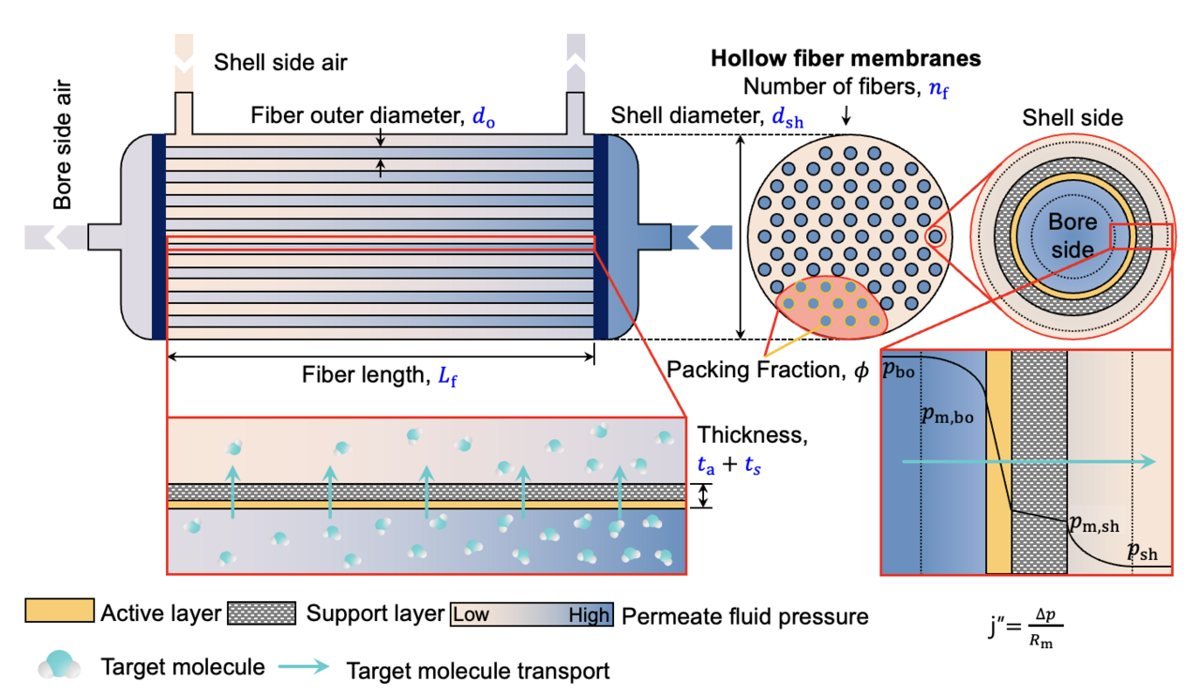
Inside the plastic tube is a bundle of hollow fibers, each with microscopic pores in its wall. Water is pulled (or squeezed) through the walls, and anything larger than the pores stays behind. There are no moving parts and no batteries, which is the whole appeal.
LifeStraw states that its membrane microfilters have an absolute pore size of 0.2 microns, and that its filters remove bacteria, parasites, microplastics and dirt or silt. Its FAQ gives the figures of 99.999999% of bacteria and 99.999% of parasites for its filtration line, so check the page for your exact model. For the personal straw, LifeStraw lists a capacity of up to 1,000 gallons (4,000 liters) and says the filter stops letting water through once it reaches that limit. It also notes that lifespan depends on water quality and how you use it.
Sawyer says its Squeeze is rated to 0.1 micron absolute and removes 99.99999% of bacteria and 99.9999% of protozoa, plus 100% of microplastics. Katadyn describes its BeFree as a 0.1 micron hollow-fiber filter rated up to 1,000 liters for clear water. These are the makers’ numbers, not ours.
What a personal filter does not remove
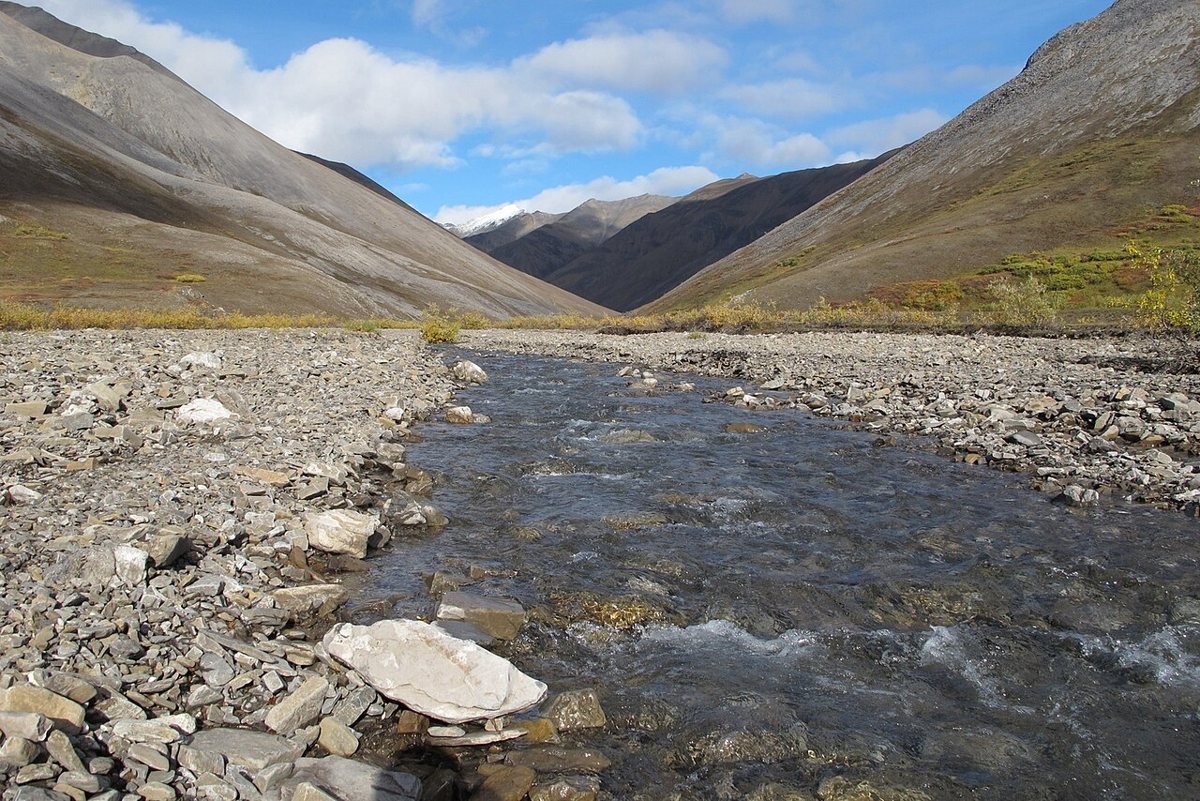
This is the part that gets lost on packaging. The CDC says most portable water filters remove parasites but not viruses, and that only a filter with an absolute pore size of 0.3 micron or smaller removes bacteria as well, so check the rating on yours. LifeStraw’s own FAQ says its filtration products do not remove viruses, and that you can use a LifeStraw purifier or combine a filter with purification tablets if you want virus protection.
Dissolved things pass straight through a membrane. LifeStraw says its products do not remove salt and should not be used on ocean, sea or brackish water. The CDC says you cannot make water containing fuel, toxic chemicals or radioactive materials safe by boiling or disinfecting it. Some LifeStraw models add activated carbon or ion exchange stages to reduce chemicals and heavy metals, but a plain membrane straw does not, so read the product page for the model you own.
Filter versus purifier
A filter blocks bacteria and parasites. A purifier also deals with viruses, either through a finer ultrafiltration membrane or a chemical or other stage. LifeStraw lists its Mission, Family and Community products as purifiers, and the Straw, Go and similar models as filters. If a package says only “filter,” do not assume virus protection.
When to boil or disinfect as well
The CDC says boiling is the best way to kill germs, with a rolling boil for 1 minute, or 3 minutes above 6,500 feet. For the backcountry it says the next best option is to filter and then disinfect. The CDC also notes that chlorine bleach and iodine do not work well against parasites, while chlorine dioxide tablets are effective against Cryptosporidium if you follow the directions. That is why filtering first, then adding a disinfectant, covers more ground than either step alone.
If your tap water is under a boil-water advisory, follow your utility and the CDC: boil it. The CDC specifically says to boil tap water even if it has been through a home filter or pitcher.
Options compared
| Option | What it handles (per maker/CDC) | What it doesn’t | Best for |
|---|---|---|---|
| LifeStraw Personal | Bacteria, parasites, microplastics, silt; 0.2 micron; up to 4,000 L per LifeStraw | Viruses, salt, dissolved chemicals | Day hikes, a car or go-bag backup |
| Sawyer Squeeze | 0.1 micron; bacteria, protozoa, microplastics per Sawyer; backflushable | No virus claim on the product page; no chemicals or salt | Group trips, filling bottles or pouches |
| Katadyn BeFree 1.0L | 0.1 micron hollow fiber; bacteria, cysts, sediment; up to 1,000 L for clear water per Katadyn | Viruses (we found no virus claim), chemicals, salt | Hikers who want a filter attached to a soft bottle |
| Boiling | Kills germs including viruses: 1 minute rolling boil, 3 minutes above 6,500 ft (CDC) | Does not remove chemicals, fuel or toxins; needs fuel and cooling time | Home outages, boil-water advisories, camp stoves |
| Chlorine dioxide tablets (e.g. Katadyn Micropur MP1) | Katadyn lists bacteria, viruses and protozoa; CDC says chlorine dioxide tablets kill Cryptosporidium when directions are followed | Wait time can run from 30 minutes to several hours; no chemical removal; cloudy water needs pre-filtering | Light backup, paired with a filter |
| Home pitcher or tap filter | Whatever the maker states for taste and listed contaminants | CDC: boil tap water during an advisory even if it is filtered | Everyday use, not boil-water emergencies |
How to use and care for one
- Collect water from the clearest source you can. The CDC cautions that even clear mountain streams are not generally safe to drink untreated.
- Pre-filter cloudy water. The CDC suggests a clean cloth, paper towel or coffee filter, or letting it settle.
- Drink or squeeze following the maker’s directions for your model.
- Backflush or clean as the maker says. Sawyer advises backwashing after each outing, when flow slows, and before long storage. LifeStraw’s Peak straw guidance says to blow air back through the mouthpiece to clear debris.
- Dry and store per your model’s page. LifeStraw support notes that a membrane that dries out completely can be hard to get flowing again on some models, so do not guess.
- Keep it from freezing. Sawyer says a used filter should never be frozen, and LifeStraw says ice forming inside the membrane can damage a filter. Keep it in an inside pocket in cold weather.
- Replace it at the maker’s stated capacity, or when it stops flowing as the maker describes.
Home emergency kit versus hiking
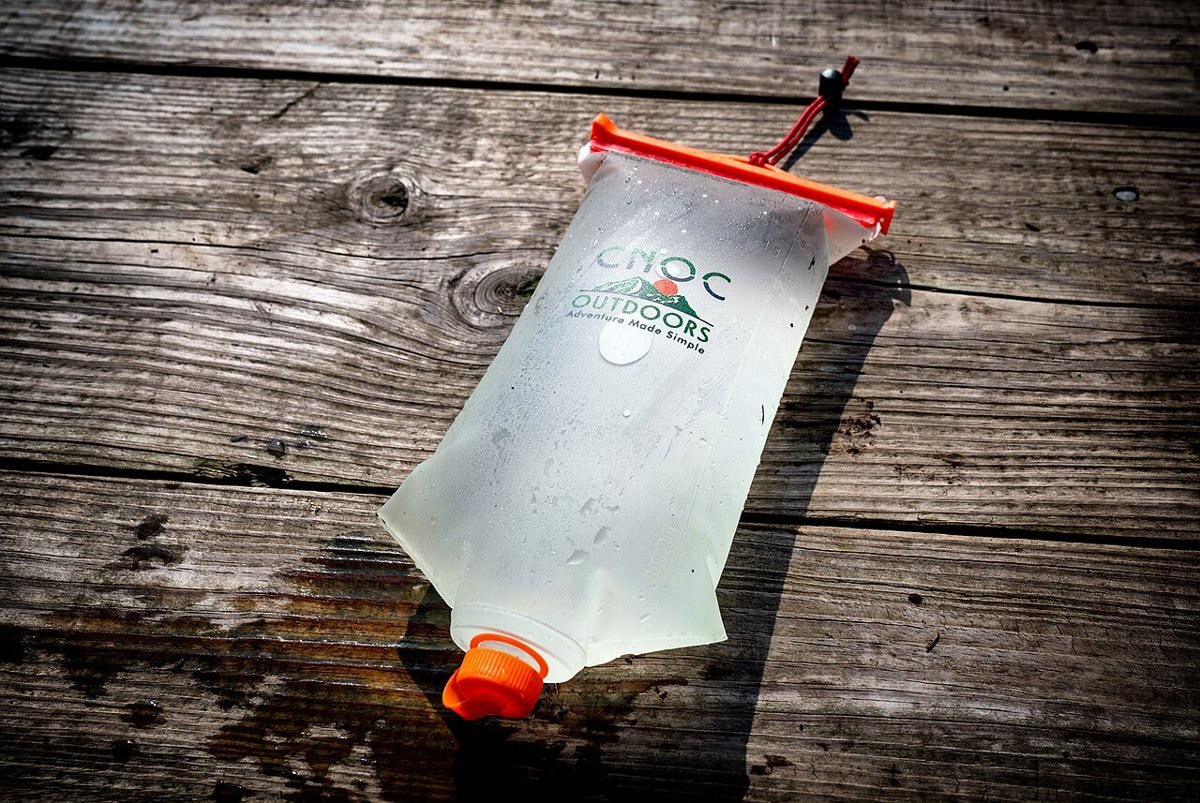
At home, stored water comes first. Our emergency food and water supply guide covers how much to store, and a personal filter is a backup for when that runs low. For an outage kit, a filter, a way to boil water, and a small supply of tablets cover different failure points. A weather radio tells you when an advisory has been issued.
On the trail, weight matters. A straw or squeeze filter, a couple of soft bottles, and a backup disinfectant is a light combination. If you are trimming a gear list, our piece on buying less outdoor gear may help. One reusable filter can replace a lot of single-use bottles on a trip, though that depends on how long you keep it going and whether you use it properly.
Where to look
These are the four products we researched. Features below are as each brand states them.
- LifeStraw Personal: 0.2 micron membrane, up to 4,000 liters, no viruses or salt removal.
- Sawyer Squeeze (SP129): 0.1 micron absolute, backflushable, lifetime limited warranty.
- Katadyn BeFree 1.0L: 0.1 micron hollow fiber, soft flask, rated up to 1,000 liters for clear water.
- Katadyn Micropur MP1 tablets: chlorine dioxide tablets; one tablet treats one liter per Katadyn’s guide.
See LifeStraw Personal on Amazon (US)
Search Sawyer Squeeze on Amazon (US)
See Katadyn BeFree 1.0L on Amazon (US)
Search Katadyn Micropur MP1 tablets on Amazon (US)
For storing water at home, a collapsible container is a lightweight option:
Browse collapsible water containers on Amazon (US)
Confirmed vs. not
Confirmed (as of November 2026):
- CDC: boil for 1 minute, or 3 minutes above 6,500 feet; most portable filters do not remove viruses; chemicals and fuel cannot be made safe by boiling or disinfecting. Pages dated Sept. 2024, Jan. 2025 and Nov. 2026.
- LifeStraw says its filters do not remove viruses or salt, and states a 0.2 micron pore size. Its help center lists the personal straw at up to 4,000 liters.
- Sawyer states 0.1 micron absolute filtration and says a used filter should never be frozen.
Not confirmed:
- Percentages and capacities are brand claims from lab testing, not ours. Field results vary with water quality and how the filter is used.
- We could not load every product page directly, so check the current page for your model for virus, carbon and capacity claims.
- Stock and model names change, and LifeStraw has been renaming some straws.
FAQ
Does a LifeStraw remove viruses?
No. LifeStraw says its filtration products do not remove viruses. For virus protection it points to its purifiers or to combining a filter with purification tablets.
Can a LifeStraw make tap water safer during a boil-water notice?
Follow your local utility and the CDC, which say to boil tap water, even if it has been through a home filter or pitcher. Do not treat a personal filter as a substitute for boiling during an advisory.
How long does a LifeStraw last?
LifeStraw lists the personal straw at up to 1,000 gallons (4,000 liters) and says the filter stops letting water through at its limit. It also says lifespan varies with water quality and use.
LifeStraw vs. Sawyer Squeeze?
Both are hollow-fiber filters that block bacteria, protozoa and microplastics, and neither makes a virus claim for the models above. The Squeeze is backflushable and has a 0.1 micron rating. The LifeStraw is a drink-direct straw with a 0.2 micron rating and a stated capacity. The right choice depends on how you carry and fill water.
Can you drink seawater with a LifeStraw?
No. LifeStraw says its products do not remove salt and should not be used on ocean, sea or brackish water.
How we wrote this
- We researched manufacturer pages and CDC guidance. We did not test any filter.
- Product features are quoted as the brands state them.
- No brand paid for or reviewed this article.
Sources
- CDC: How to Make Water Safe in an Emergency
- CDC: Water Treatment Options When Hiking, Camping, or Traveling
- CDC: Preventing Crypto at Home During a Boil Water Advisory
- LifeStraw FAQ
- LifeStraw Support: How Filters Work
- Sawyer Squeeze product page
- Katadyn BeFree 1.0L
- Katadyn: Types of Filters
Written by the Sunshine and Fresh Air team. Last checked: 12 November 2026.