
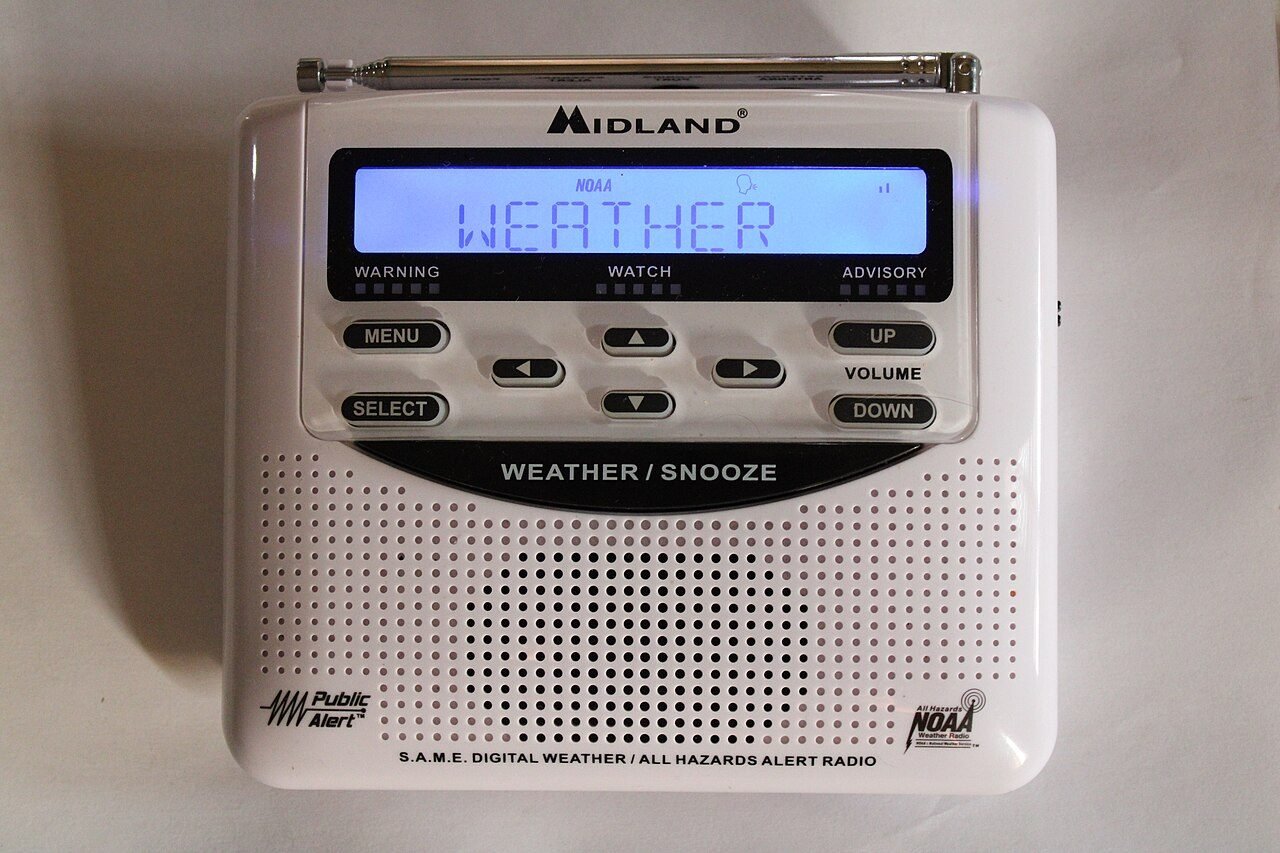
When the power goes out and the cell network is busy, a small radio can be the one source of weather information that still works. The boxes are covered in labels, though, and they do not all mean what they seem to.
This guide explains what each label means, what it can realistically do, and how to keep an emergency radio working for years instead of replacing it.
Quick answer: A good emergency radio receives the NOAA Weather Radio band, ideally with SAME so it alerts only for your county, and runs on a rechargeable battery with an AA or AAA backup. Treat the hand crank and small solar panel as slow top-ups, not main power. Phone charging is a modest emergency boost at best.
What NOAA Weather Radio is
NOAA Weather Radio All Hazards (NWR) is run by the National Weather Service. In the NWS’s words, it is “a nationwide network of radio stations broadcasting continuous weather information directly from the nearest National Weather Service office,” carrying “official Weather Service warnings, watches, forecasts and other hazard information 24 hours a day, 7 days a week.” As of November 2026, the broadcasts use seven VHF frequencies: 162.400, 162.425, 162.450, 162.475, 162.500, 162.525 and 162.550 MHz.
That detail matters because these frequencies are not on a regular AM/FM dial. The NWS says plainly that “the broadcasts cannot be heard on a simple AM/FM radio receiver.” A radio needs a dedicated weather band. If a box says only “AM/FM”, it will not receive NWR.
“All Hazards” means the network carries more than weather. Working with the FCC’s Emergency Alert System and with emergency managers, NWR also broadcasts warnings for natural hazards such as earthquakes, environmental ones such as chemical releases or oil spills, and public safety messages such as AMBER alerts, according to the NWS.
SAME: alerts for your area only
SAME stands for Specific Area Message Encoding. Each alert carries codes for the counties it affects. If you enter your county’s code in a SAME-capable radio, it stays quiet for alerts elsewhere and sounds off for yours.
To find your code, use the NWS county coverage listing, which shows each county’s six-digit SAME code, the transmitter frequency and any coverage remarks. Enter the code for your county, and consider adding neighboring counties if storms commonly arrive from that direction. Some desktop SAME radios accept many counties; the Midland WR120B listing, for example, says up to 25.
Radios often offer an alert or standby mode. In that mode the speaker stays silent until an alert tone and message arrive. That is what lets a radio wake you at night. A radio without this feature only helps if you are awake and listening.
Power options, honestly explained
Most emergency radios offer several ways to power them. They are not equal.
- AC or USB charging: the realistic main way to fill a built-in battery before a storm. The NWS notes that “since power outages often occur during storms, having a receiver with battery backup can be crucial,” but recommends an AC connection for a radio kept at home, to preserve battery life.
- Built-in rechargeable battery: convenient, but it ages. Capacity is usually quoted in mAh, which is a brand claim.
- AA or AAA backup: the easiest part to replace or swap in. It is the reason to prefer a radio that accepts standard cells.
- Hand crank: a backup for when nothing else is left. We do not quote minutes per crank, because that varies by maker and model. If a maker states a figure, treat it as theirs.
- Small solar panel: a small panel tops up a small battery slowly, and works best in direct sun. It is not a replacement for charging ahead of time.
Charging a phone from a radio
Some radios have a USB port that can charge a phone. Treat it as an emergency top-up. As a rough method, compare the radio’s stated battery capacity with your phone’s battery capacity, both in mAh. If the radio lists a battery smaller than or similar to your phone’s, it cannot fully charge the phone, and conversion losses reduce what you get. Check both figures on the makers’ pages and keep the expectations modest.
Reading the label: a quick table
| Feature | What it means | Why it matters | What to check |
|---|---|---|---|
| NOAA weather band | Receives the 162 MHz NWR broadcasts | Gives you official forecasts and warnings | “NOAA” or “WX” band, not only AM/FM |
| SAME | Filters alerts by county code | Fewer false alarms, so you keep it switched on | Whether you can enter several county codes |
| Alert / standby mode | Stays silent until an alert tone | Can wake you overnight | Whether the alert works on battery as well as mains |
| AM/FM | Regular broadcast bands | Local news and emergency information from stations | Reception in your home, not just the spec |
| Hand crank | Generates a small charge by turning a handle | A last-resort backup | Any maker-stated figures, treated as the brand’s claims |
| Solar panel | Small panel trickle-charges the battery | Slow top-up on a sunny day | Panel size and what it charges |
| USB phone charging | Output port for a phone | Limited emergency top-up | Battery mAh against your phone’s battery |
| AA / AAA backup | Takes standard replaceable cells | Easy to keep running for years | Cell type and count |
| Flashlight / SOS | Built-in LED, sometimes a flashing mode | Handy, but a secondary feature | Whether it drains the same battery as the radio |
Where a radio fits in outage prep
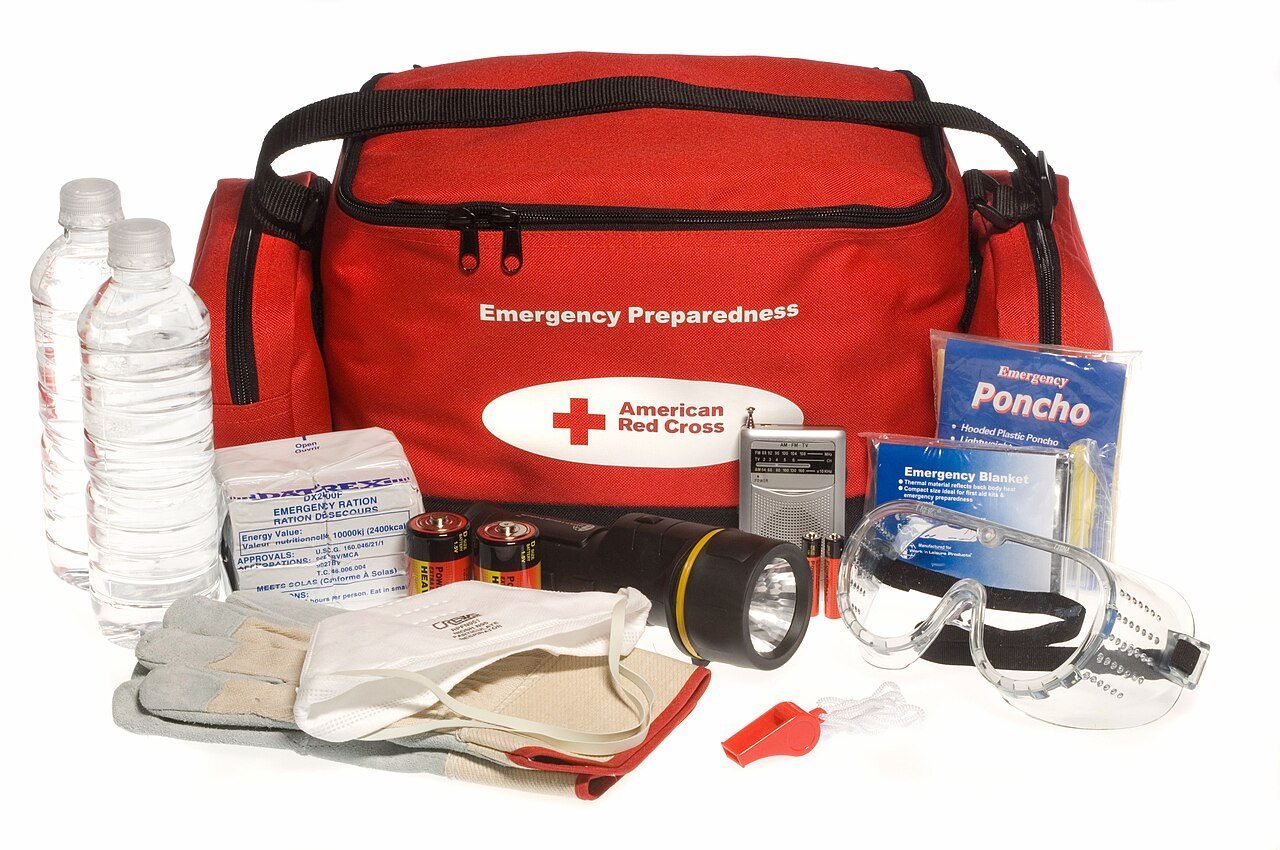
Ready.gov’s Build A Kit checklist (last updated 1 July 2026) lists a “battery-powered or hand crank radio and a NOAA Weather Radio with tone alert” among basic supplies, along with a flashlight, extra batteries, and a “cell phone with chargers and a backup battery.”
Phones also receive Wireless Emergency Alerts (WEA), which is useful. A weather radio is a separate path: it listens to a broadcast transmitter, so it does not depend on your phone’s battery or on the cell network being up. Ready.gov’s list includes both a radio and a phone with backup power.
For longer outages, a radio is one small item among larger ones. Our guide to solar generators for home backup covers bigger power, what a power station runs when camping shows typical loads, and how to read a power station spec sheet helps with the numbers. For warmth, read space heater safety and efficiency. Never run a fuel heater or generator indoors.
Camping and outdoor use
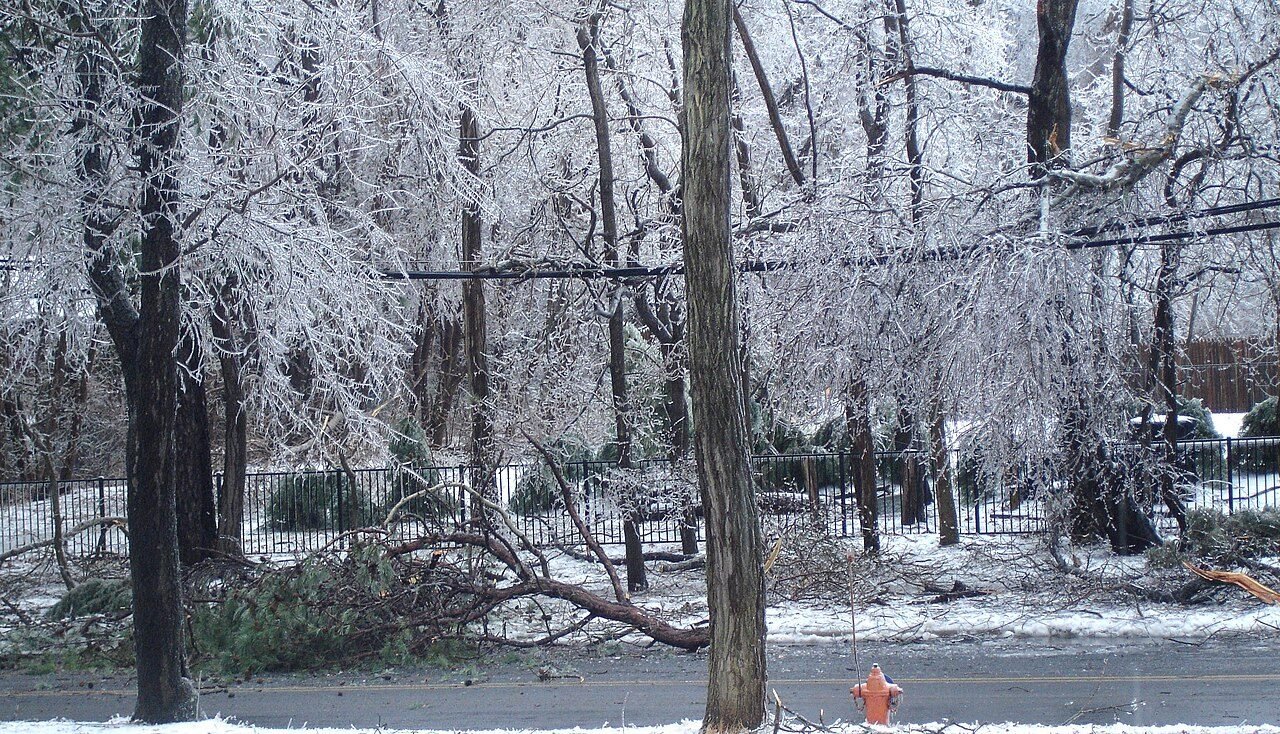
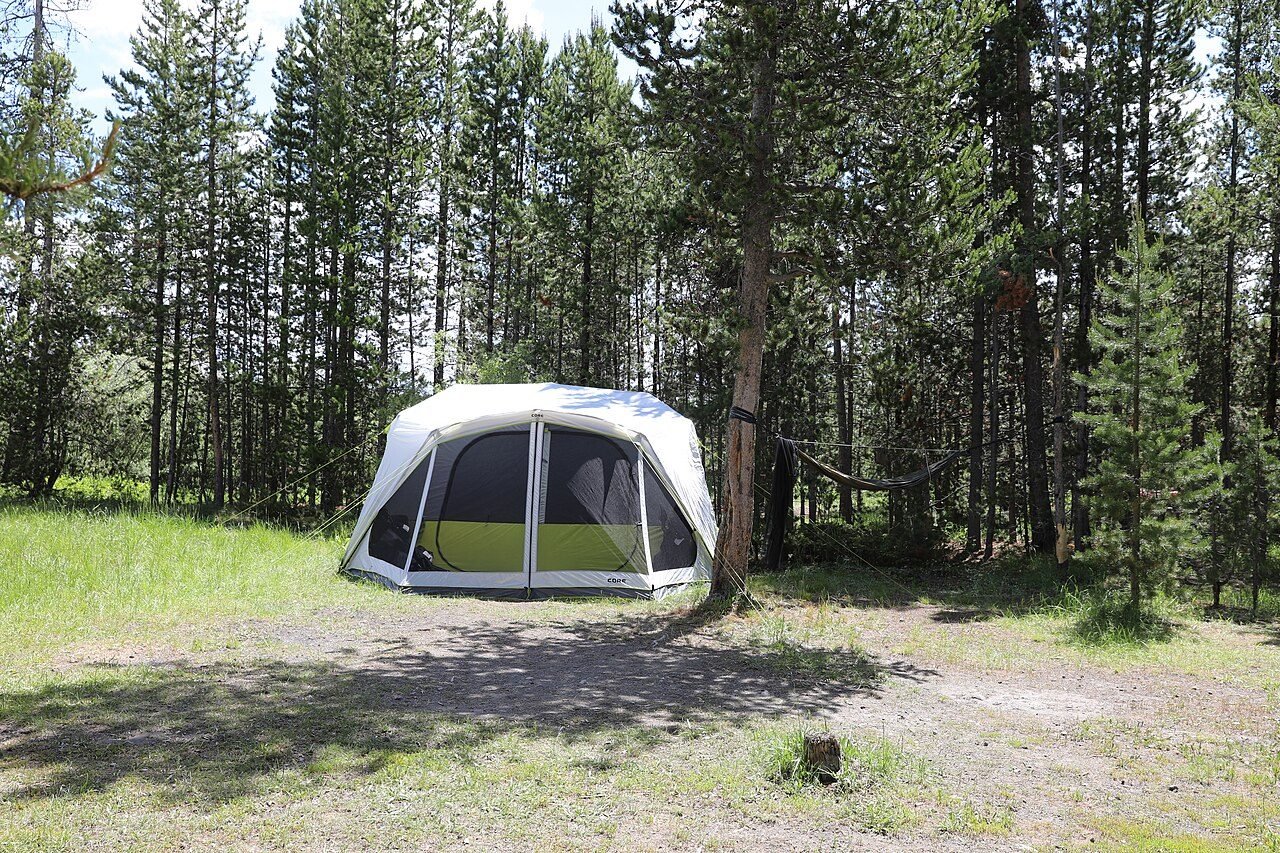
Weather can change quickly in parks and campgrounds, and cell coverage there is often patchy. A weather band radio can help, but NWR does not reach everywhere. The NWS says reliable reception “typically extends in about a 40 mile radius from the transmitter, assuming level terrain,” and that some areas, “especially in mountainous areas,” may not get reliable reception. Check the NWS coverage maps for the area you will visit, and carry a backup plan.
For keeping a phone charged on the trail, our guide to solar power banks explains what a small panel can and cannot do.
Keeping it ready, with less waste
- Test it monthly: switch it on, check the weather band, and confirm the alert function works.
- Top up the rechargeable battery on a schedule you will remember, such as the start of each season.
- Follow the maker’s advice on storing batteries. Leaking cells can ruin a radio, so check any AA backups when you test.
- Recycle batteries properly. The EPA says rechargeable batteries such as lithium-ion and nickel-metal hydride should not go in household trash or recycling bins; take them to a drop-off point. For everyday alkaline AA and AAA cells, the EPA suggests checking with your local or state solid waste authority. Call2Recycle, now renamed The Battery Network, runs a drop-off locator.
- Repair or keep instead of replacing. A radio with standard replaceable cells can outlast several rechargeable packs.
This is the same idea behind buying less outdoor gear. We also explain how we weigh sustainability claims in how we judge green claims.
Buying checklist
- NOAA weather band, preferably with SAME and an alert mode.
- Rechargeable battery plus AA or AAA backup.
- Crank and solar treated as extras, not the main reason to buy.
- USB charging only if you want a small phone top-up.
- Controls you can use in the dark, and a manual you can find.
Four widely sold models show the trade-offs. We have not tested them; the features below are what each listing claims (checked 5 November 2026).
- Midland ER310 (portable crank radio): the listing describes solar panel, hand crank and a “rechargeable 2600 mAh battery” rated for “up to 32 hours of radio operation,” with 6 AA cells as backup, NOAA Weather Scan + Alert, a flashlight with SOS and USB device charging. It describes an alert, not county-level SAME filtering.
- Midland WR120B (desktop alert radio): the listing describes SAME programming for up to 25 counties, voice, display or tone alerts, AC power with 3 AA batteries as backup, and Public Alert certification. No crank or solar; it is built to sit by the bed.
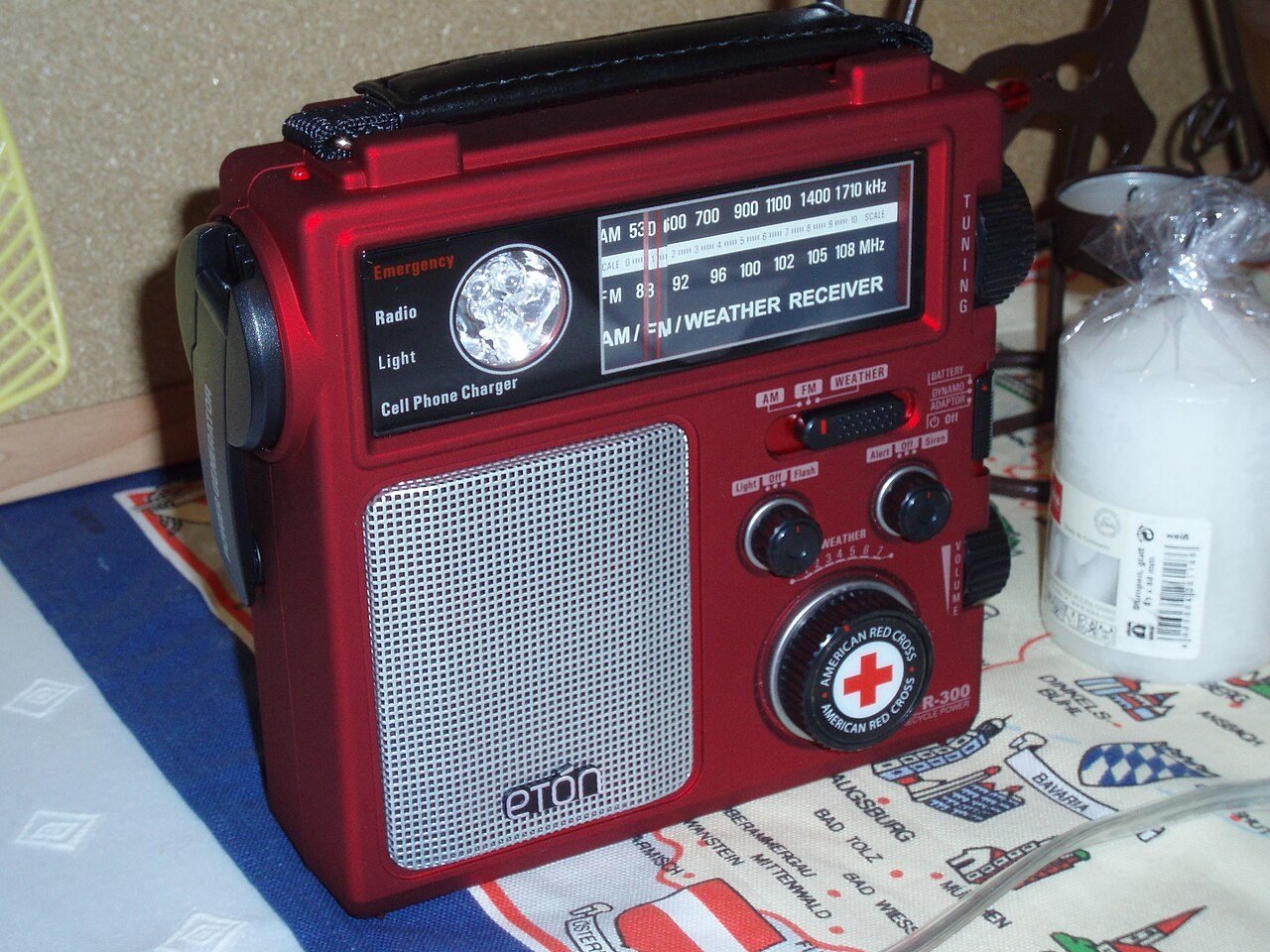
- Eton American Red Cross FRX3+ (portable): the listing describes AM/FM/NOAA weather band, an “Alert” function, solar panel, hand turbine, built-in rechargeable battery and USB phone charging.
- Kaito KA500 (portable): the listing describes hand crank, solar panel, a replaceable rechargeable NiMH pack, a compartment for 3 AA batteries, AM/FM/shortwave, 7 NOAA weather channels with alert, and a USB output.
A common setup is a SAME desktop radio at home for overnight warnings plus a crank or solar portable for the kit or the campsite.
If you are shopping a sale, our guide to judging Black Friday deals applies here too.
See Midland ER310 on Amazon (US)
See Midland WR120B on Amazon (US)
See Kaito KA500 on Amazon (US)
Search NOAA weather radios with SAME on Amazon (US)
Confirmed vs. not
Confirmed (checked 5 November 2026): NWR is a nationwide NWS network broadcasting 24/7 on seven frequencies from 162.400 to 162.550 MHz; it can’t be heard on a plain AM/FM radio; reliable reception typically reaches about 40 miles from a transmitter on level terrain (NWS). Ready.gov’s kit list includes a battery-powered or hand crank radio and a NOAA Weather Radio with tone alert (page updated 1 July 2026). The EPA’s battery disposal guidance as quoted above.
Brand claims, not independently checked: runtimes, battery capacities, crank and solar output, and phone charging are what the makers’ listings say. Stock and listings change, so check the product page before you buy.
FAQ
Do I need a NOAA weather radio if I have phone alerts?
Phone alerts are useful, but a radio is a separate path that does not rely on your phone’s battery or cell service. Many people keep both.
Do hand-crank radios work?
Yes, as a slow backup. Cranking or a small solar panel tops up a small battery, so charge the radio ahead of time and keep spare AA or AAA cells.
What is SAME?
Specific Area Message Encoding. You enter your county code, and the radio alerts only for your area.
Can an emergency radio charge my phone?
Some can, as a modest emergency top-up. Compare the radio’s battery mAh with your phone’s, and treat the maker’s claims as claims.
Does NOAA Weather Radio work everywhere?
No. It does not reach everywhere, so check the NWS coverage maps for your home and for places you camp.
How we wrote this
- We researched it; we did not test any radio.
- Product features are quoted from the brands’ Amazon listings, as their claims.
- No brand paid for a mention.
Sources
- National Weather Service: NOAA Weather Radio All Hazards
- Ready.gov: Build a Kit
- NWS Pittsburgh: What is NOAA Weather Radio
- NWS: NWR coverage maps
- NWS: NWR county coverage listing and SAME codes
- NWS: NWR receiver consumer information
- EPA: Used household batteries
- Call2Recycle (The Battery Network): drop-off locator
Written by the Sunshine and Fresh Air team. Last checked: 5 November 2026.