
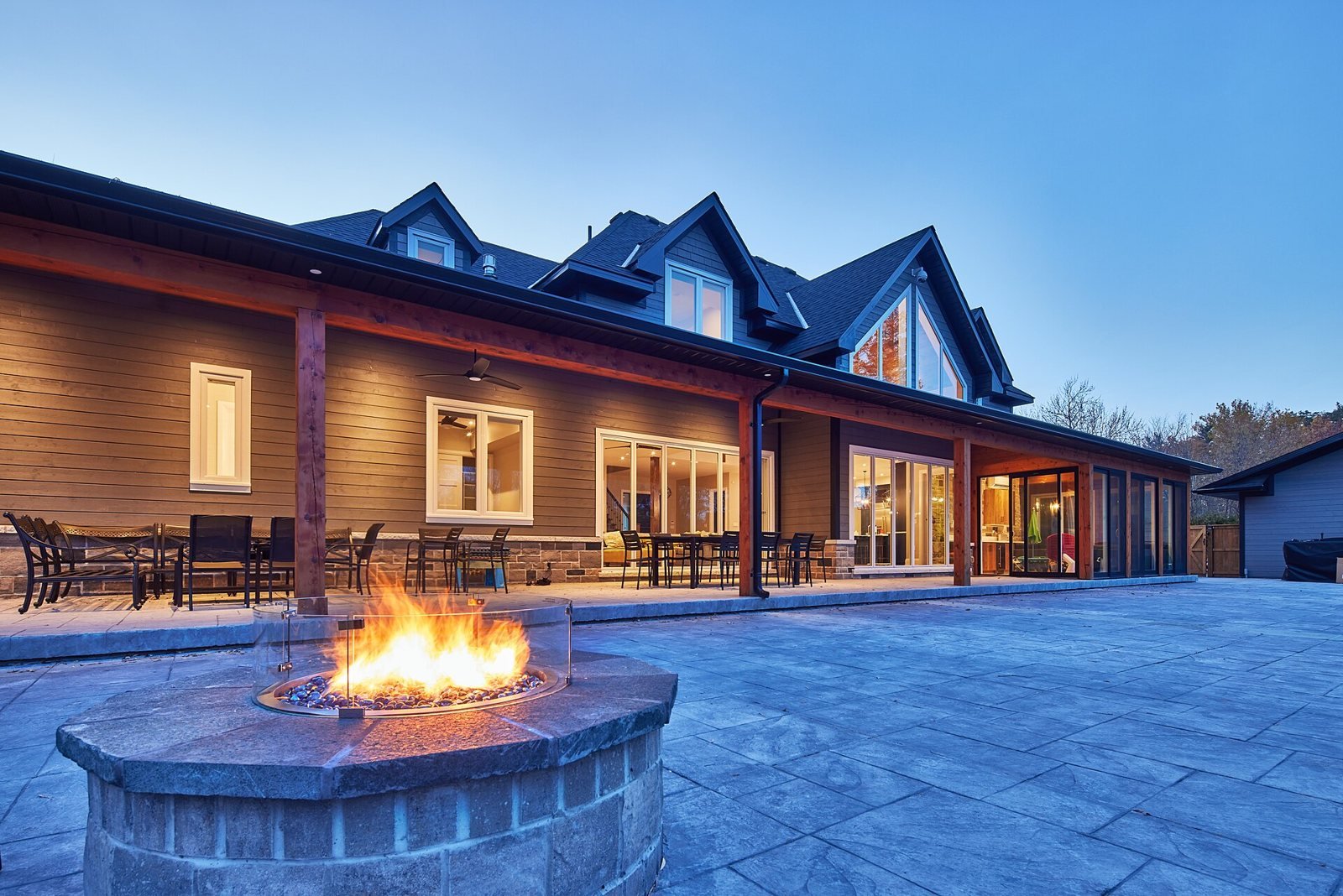
Quick answer: A “smokeless” wood fire pit is a double-walled pit that feeds hot air back into the top of the fire, so more of the smoke burns before it leaves. That means less visible smoke once the fire is hot, not zero smoke: it still smokes when you light it, add wood, or burn damp fuel. Dry wood, a small fire and a quick air-quality check do more to cut smoke than any label.
“Smokeless” sounds like a spec, but it’s a marketing word for a real design that makes less smoke under the right conditions. Here’s how it works, the fuel options, and how to cut smoke from any pit.
How a “smokeless” wood fire pit works
Most wood pits sold as smokeless use a double wall plus a second burn near the rim. Breeo explains it on its own site: “Air enters a cavity at the bottom into the double wall while the fire heats the walls.” That air rises and “exits the double wall through holes around the rim,” where, in the brand’s words, “this pressurized, heated oxygen mixes with the smoke and causes secondary combustion or reburn.”
Much of the smoke from an open fire is fuel that hasn’t burned yet. Hot air at the top gives those gases a second chance to burn.
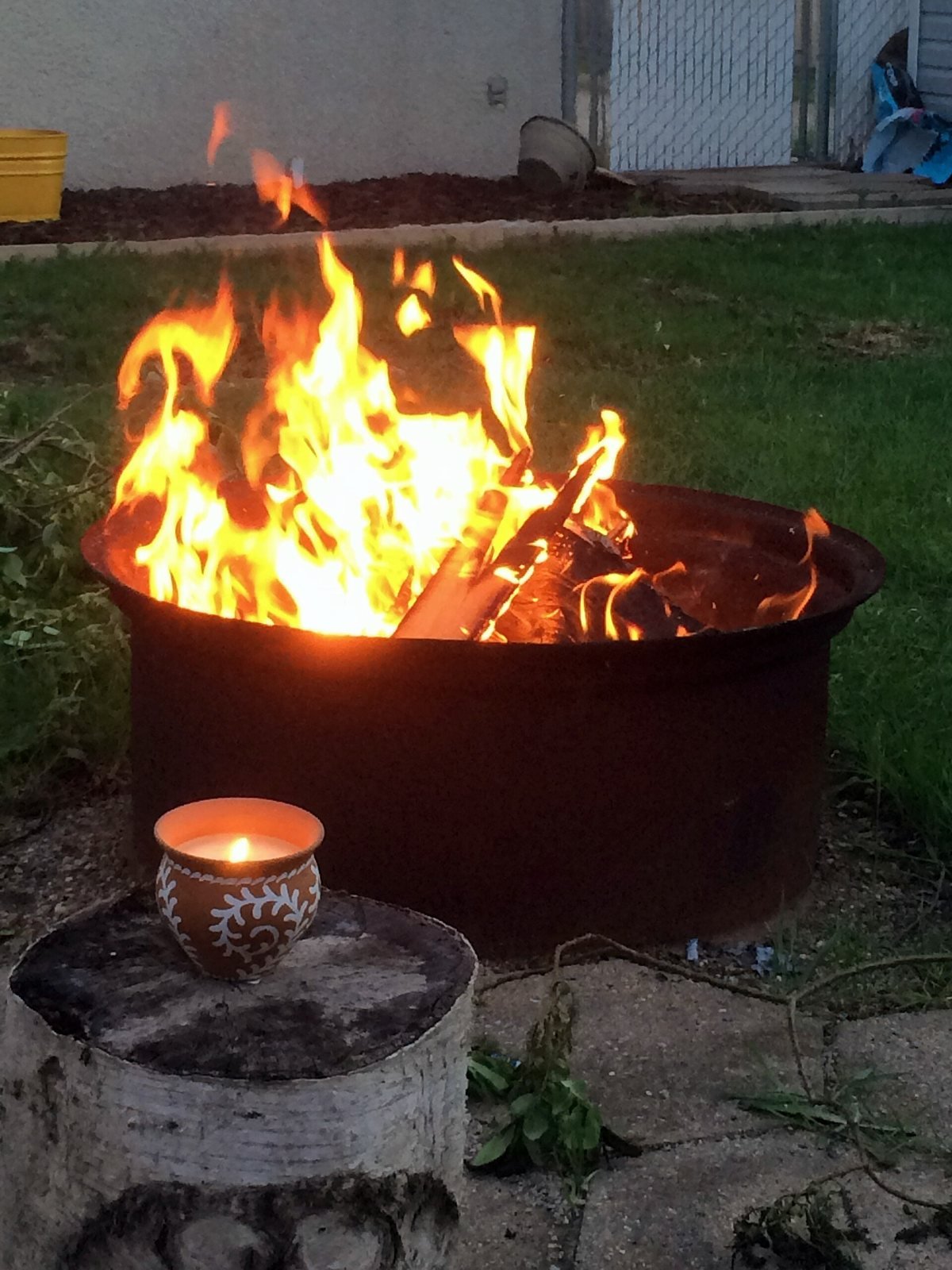
Even the brands admit limits. Asked whether smokeless fire pits are completely smokeless, TIKI’s FAQ answers: “No. Smokeless fire pits significantly reduce smoke, but no wood-burning fire pit is completely smoke-free.” Breeo notes that “the walls of the fire pit need to get hot” first, and that wood that’s too big “can smolder the fire.”
Smoke comes back in four predictable situations:
- Startup, before the walls are hot.
- Wet or green wood, which must boil off water before it burns cleanly.
- Overloading. Big logs or a high pile choke the airflow.
- Dying down, when the second burn fades and embers smolder.
So read “smokeless” as “less smoke, once it’s going, with dry wood.” We look at labels the same way in what “biodegradable” and “carbon neutral” really mean.
Wood, pellets or gas: how the fuel types compare
“Smokeless” shows up on three quite different kinds of fire pit.
| Type | How it burns | Smoke in practice | Fuel and mess | Typical rules | What to check |
|---|---|---|---|---|---|
| Wood, double-wall | Air heated between the walls is released near the rim for a second burn | Less once hot with dry wood; more at startup, damp or overloaded | Split firewood. Ash to clear out | Covered by no-burn-day bans in places like the Bay Area | Wood moisture, rim vent height, spark screen, ash pan |
| Wood pellet | Compressed sawdust pellets in a pit or fuel pack built for them | Brands say “low smoke,” not no smoke | Bagged or packaged pellets. Less ash than logs, by brand accounts | A solid fuel, banned on Bay Area alert days | Pellets approved for your pit |
| Propane / natural gas | A gas burner makes the flame. No wood | Very little; Ninja markets its Fireside360 as smokeless | A propane tank or gas line. No ash | EPA says switching to gas “reduces harmful air pollutants.” Check local rules | Propane or natural gas, manual placement rules, HOA or lease limits |
SharkNinja’s 21 August 2025 launch release calls the Ninja Fireside360 a “propane fire pit” that “delivers smokeless flames,” with “no ash, embers, or residue to clean up.” Those are the brand’s claims, plausible for gas since there’s no wood to smolder, but you trade wood’s crackle for a tank of fossil fuel.
Get less smoke from any fire pit: EPA’s backyard advice
One caveat: EPA says “The Burn Wise Program ran from 2009 to 2025” and “is no longer updating program content as of October 30, 2025.” Its archived pages remain the clearest backyard-fire guidance.
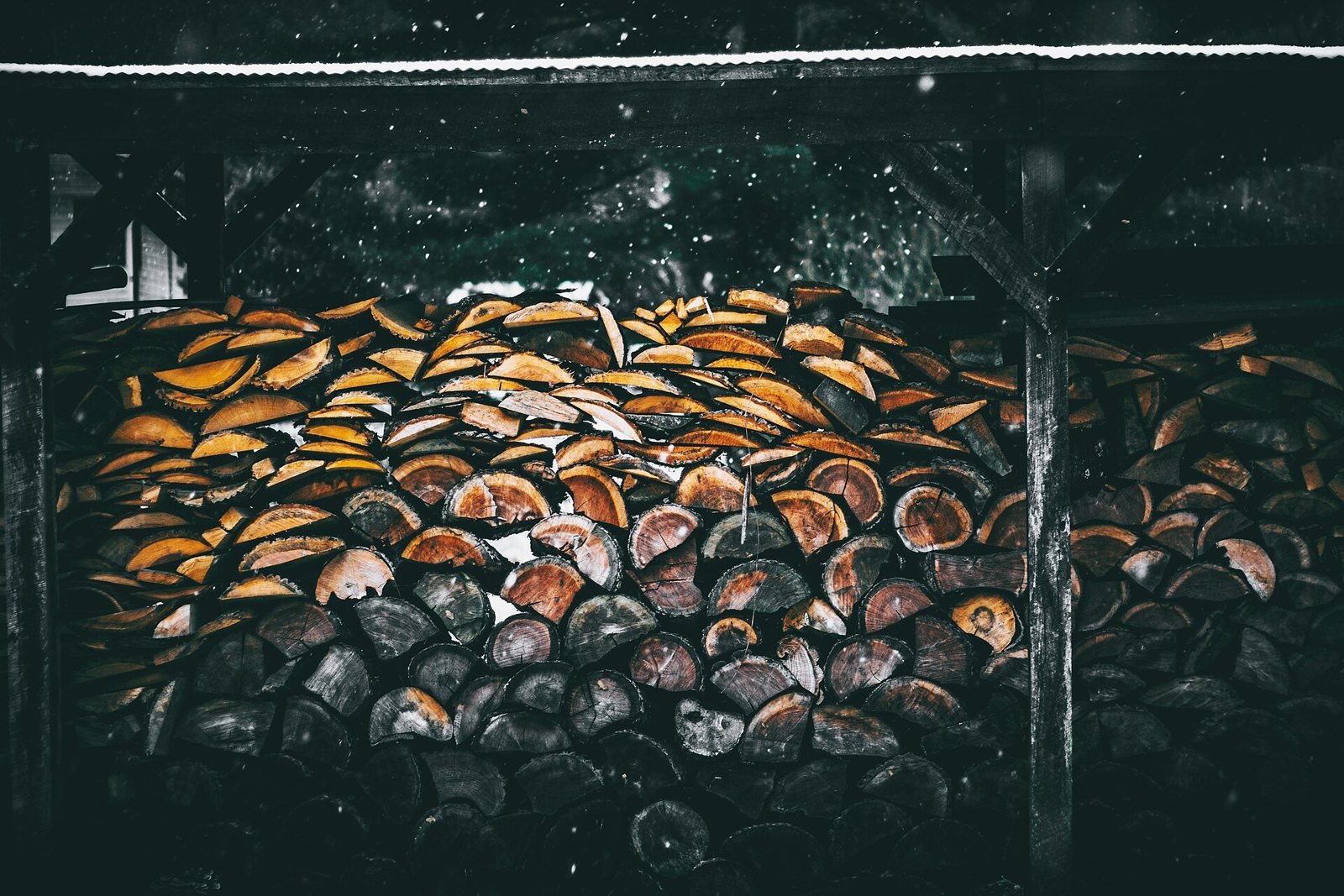
- Burn only dry, seasoned wood. EPA: “Only burn seasoned, dry wood, which burns hotter and cleaner.” Softwoods take about 6 months to dry and hardwoods about 12.
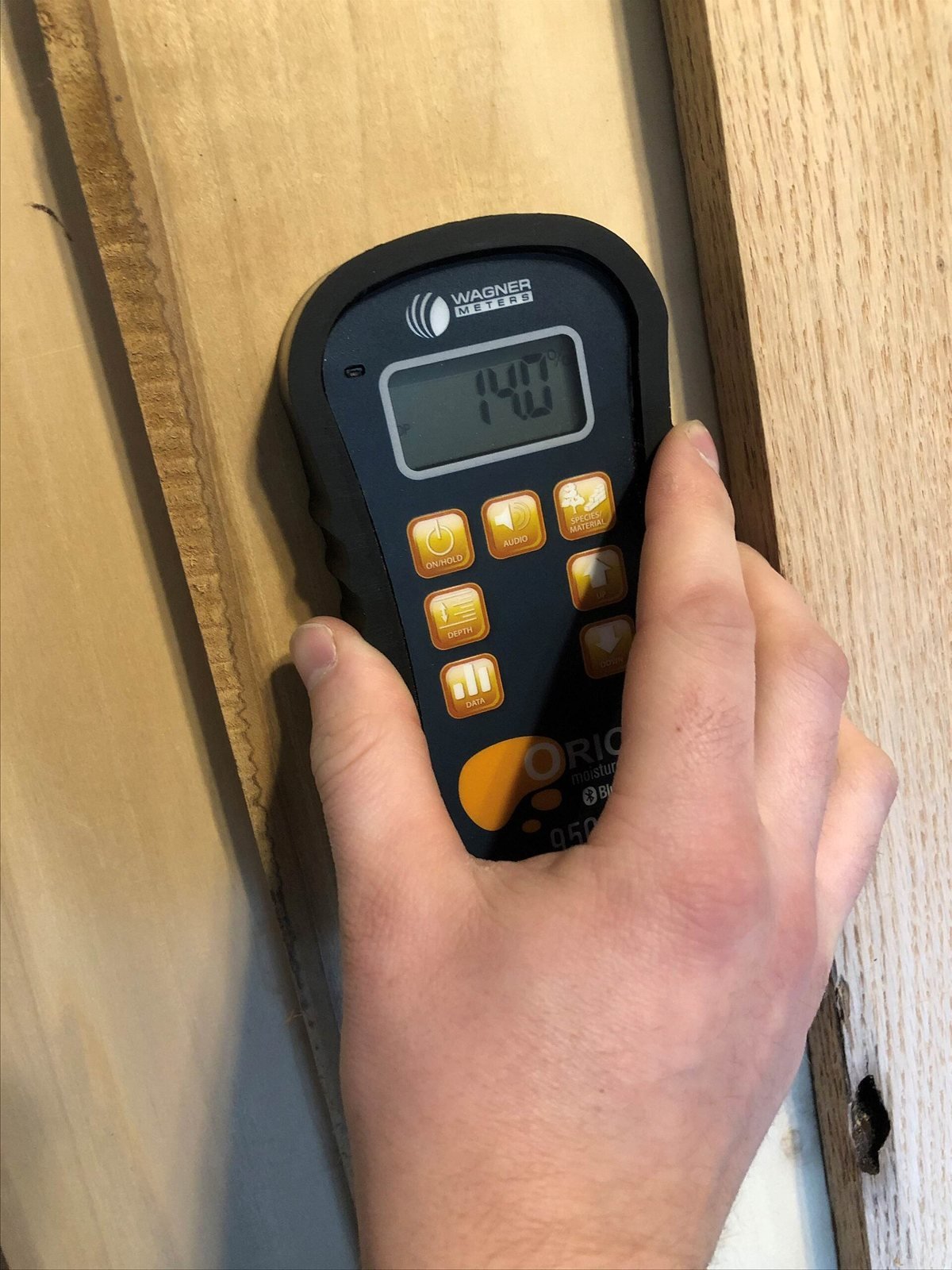
- Check it with a moisture meter. Dried wood should read “20% or less,” per EPA. Test the fresh face of a split log.
- Store it so it can dry. “Cover stacked wood, but allow good air flow so it can dry.” Keep it off the ground with only the top covered.
- Skip the junk. “Never burn green wood, construction waste, plastic, garbage, or yard waste. They create more smoke and can be toxic.”
- Skip bad-air days. “Never burn wood during air quality alert days, when air pollution is already higher.”
- Consider gas. “Switching to natural gas or propane reduces harmful air pollutants.” Kits to convert fire rings to gas are sold at hearth and patio stores.
- Check local laws. “Some local governments have adopted ordinances to restrict backyard recreational fires.”
Browse wood moisture meters on Amazon (US)
Check the air (and the rules) before you light
AirNow (airnow.gov), EPA’s air quality site, reports the Air Quality Index, where “the higher the AQI value, the greater the level of air pollution and the greater the health concern.” Its Fire and Smoke Map shows particle pollution (PM2.5) and smoke plumes.
In the San Francisco Bay Area, Spare the Air says “it is illegal year-round to burn wood on days when a Spare the Air Alert is in effect,” including “outdoor fire pits,” and the rule covers “wood, fire logs, pellets, or other solid fuels.” Many other areas have their own no-burn days, so look up yours.
Check where the wind will carry your smoke, too. EPA notes that children and teenagers, older adults, and people with heart or lung disease “can be particularly sensitive” to particle pollution in wood smoke. If smoke drifts into your home, see our guide to dealing with smoke at home and our look at indoor air quality monitors (handy for PM2.5 readings).
Safety basics from the authorities
- The US Fire Administration says to use fire pits “at least 10 feet away from your home or anything that can burn,” to “closely watch children when the fire pit is in use,” and to “use a metal screen over wood-burning fires to keep sparks from floating out.”
- The Consumer Product Safety Commission says: “Never use gasoline to start a fire or to re-start a fire,” “Keep a hose or fire extinguisher nearby,” and “Never burn when the risk of wildfires is high.”
- USFA again: “Turn off or put out fires before you leave the backyard.”
- For propane and gas units, follow the manual for placement, clearances and connecting the tank.
Browse fire pit spark screens on Amazon (US)
How to pick a fire pit (without falling for the label)
- Start with where you live. With frequent no-burn days, a wood pit may sit unused. Renters and HOA members should check their rules first. Our balcony and small-space guide covers lower-key options.
- Pick a fuel. Choose wood if you want the crackle and can store and season firewood. Choose gas for no ash and quick on/off.
- Check the surface and the space. Read what the manual allows, not just the ad copy. Ninja says the Fireside360 is “designed for safe use on grass, dirt, stone, and wood surfaces,” a brand claim to confirm in your model’s manual.
- Size and portability. A smaller pit burns less wood and is easier to keep hot, which is when the second burn works.
- Read the box like a skeptic. “Smokeless” means reduced visible smoke under the brand’s conditions. Our guide to how we judge green claims explains the approach.
- Buy once. A durable pit you’ll actually use beats one you replace. More in buy less, better outdoor gear.
Browse smokeless fire pits on Amazon (US)
FAQ
How does a smokeless fire pit work?
Air enters vents near the bottom, heats up between a double wall and exits near the rim, where it helps burn smoke and unburned gases. Brands call this secondary combustion.
Are smokeless fire pits really smoke-free?
No. TIKI’s FAQ says “no wood-burning fire pit is completely smoke-free,” so expect some smoke at startup, when adding wood, with damp fuel and as the fire dies down.
Why is my smokeless fire pit smoking?
Usually it’s wet wood, logs piled above the rim vents, oversized pieces, or a fire that isn’t hot yet. EPA says dried firewood should read 20% moisture or less.
Is a propane fire pit better for air quality than wood?
EPA says switching to natural gas or propane reduces harmful air pollutants. Gas pits leave no ash, but they run on fossil fuel.
Can I use a smokeless fire pit on a burn ban day?
Usually not if it burns wood or pellets; in the Bay Area, that’s illegal on Spare the Air Alert days. Check your local air district or town rules.
How we wrote this
- We researched this article. We didn’t test any fire pits.
- Brand statements (Breeo, TIKI, Ninja) are quoted and attributed as the brands’ own claims.
- Guidance comes from EPA, AirNow, the Bay Area Air District’s Spare the Air program, the US Fire Administration and the CPSC. Sources were checked on 1 November 2026.
- No brand paid for or reviewed this article. Amazon links are search links and may earn us a commission.
Sources
- Breeo: How we’re smokeless
- Breeo: How Breeo is smokeless
- TIKI Brand: What is a smokeless fire pit?
- TIKI Brand: Is a smokeless fire pit worth it?
- TIKI Brand: Wood Pack (wood pellet fuel)
- SharkNinja: Ninja Fireside360 launch release (21 Aug 2025)
- EPA Burn Wise: Backyard recreational fires
- EPA Burn Wise: Best wood-burning practices
- EPA: Wet wood is a waste (PDF)
- AirNow: About AirNow
- AirNow: AQI basics
- AirNow: Fire and Smoke Map
- Bay Area Air District / Spare the Air: Wood Burning Rule
- US Fire Administration: Outdoor fire safety
- CPSC: Campfire and firepit safety tips