
As heating season starts, furnaces, fireplaces and space heaters get used again, and so do generators when the power goes out. All of them can produce carbon monoxide (CO), a gas you cannot see or smell. A working carbon monoxide detector is a small, low-cost safeguard, and a few minutes of setup goes a long way.
Quick answer: Put a CO alarm on every level of your home and outside each sleeping area, following the manufacturer’s instructions. Test it regularly and check the replacement date on the back; many alarms last roughly 5 to 10 years depending on the model. Four beeps and a pause means CO: get everyone outside and call 911. Chirp patterns differ by brand, so check your manual.
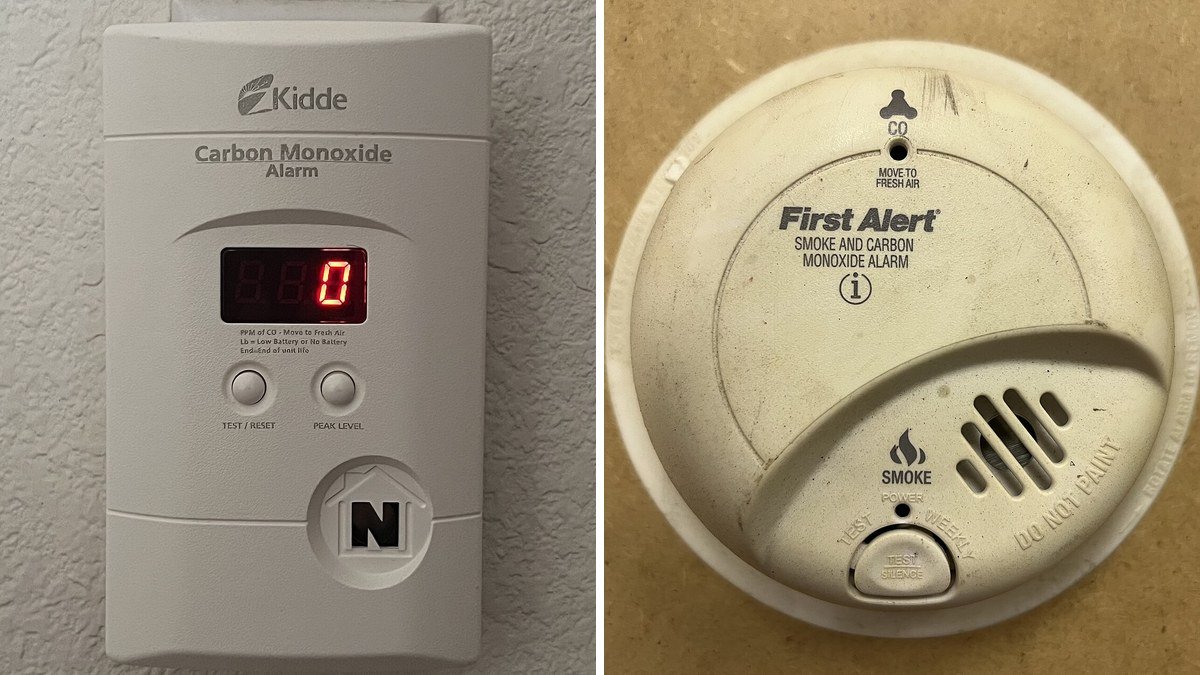
Featured photo (top), composite: “Kidde Carbon Monoxide Alarm” by TaurusEmerald / Wikimedia Commons, CC BY-SA 4.0; “FirstAlert Smoke and Carbon Monoxide Alarm” by TaurusEmerald / Wikimedia Commons, CC BY-SA 4.0 (cropped and combined; composite shared under CC BY-SA 4.0). Brand names are trademarks of their owners and appear for identification only; no endorsement implied.
What carbon monoxide is and why it matters in winter
CO is produced any time fuel is burned. The CDC lists cars and trucks, small engines, stoves, lanterns, grills, fireplaces, gas ranges and furnaces as sources. In winter, more of those run for longer, and homes are closed up tight. The CDC says that each year more than 400 Americans die from unintentional CO poisoning not linked to fires, and more than 100,000 visit an emergency department.
Portable generators are a special concern during outages. CPSC reports that in 2020, 92 CO deaths were associated with generators, the highest of any product category, and 33 were associated with portable heaters.
Symptoms and what to do if the alarm sounds
The CDC describes the most common symptoms as headache, dizziness, weakness, upset stomach, vomiting, chest pain and confusion, often described as "flu-like." The CDC also notes that people who are sleeping can die from CO poisoning before they have symptoms, which is why an alarm matters.
If your alarm sounds, CPSC advises not to try to find the source. Instead:
- Move outside to fresh air right away, with everyone in the household.
- Call 911 or the fire department.
- Do a head count, and do not go back in until emergency responders say it is okay.
If you have symptoms but no alarm, CPSC says to get outside to fresh air and call the fire department from a neighbor’s home. If an alarm goes off again within 24 hours after you return, repeat these steps and call a qualified appliance technician.
Where to put a carbon monoxide detector
CPSC says to install CO alarms on every level of the home and outside sleeping areas, and always according to the manufacturer’s instructions. The CDC likewise recommends alarms near every sleeping area. A few practical points:
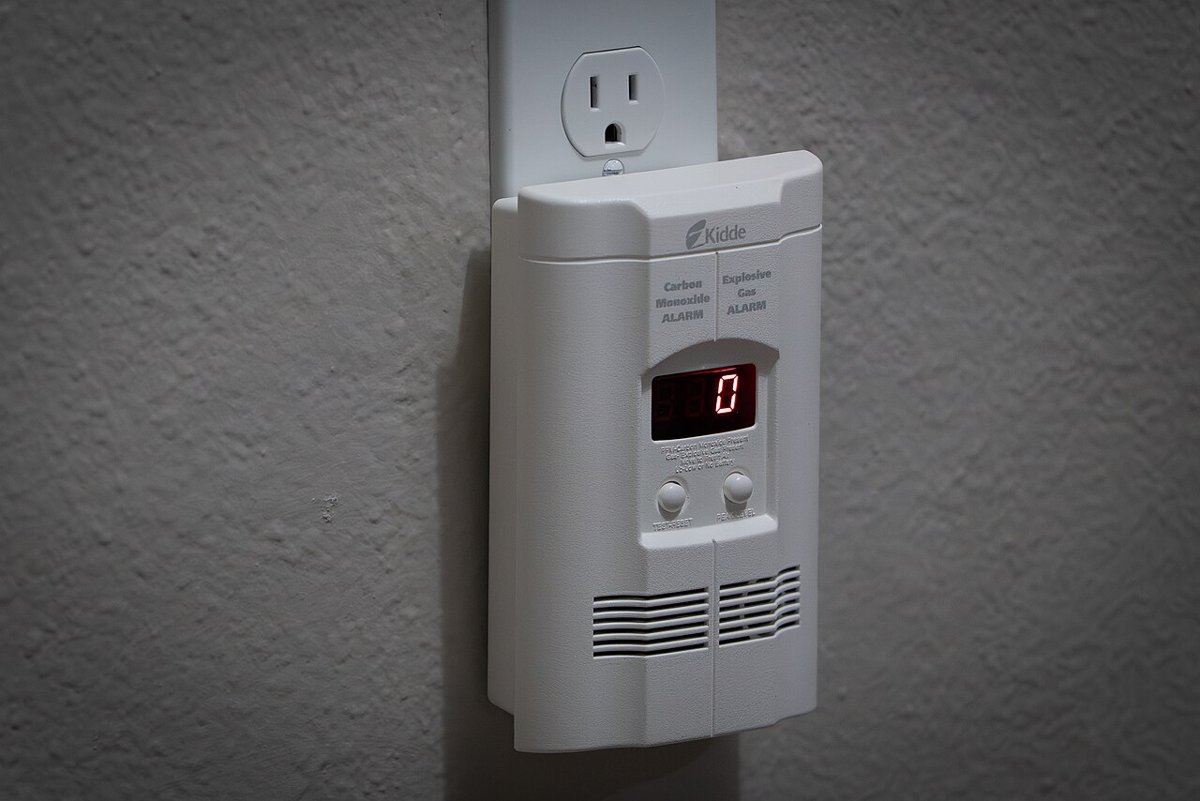
- Height: CPSC says CO alarms may be installed in a plug-in receptacle or high on the wall. First Alert states that wall or ceiling placement is equally effective. Follow your model’s manual.
- Keep clear of obstacles: CPSC advises avoiding spots near heating vents or ones that furniture or drapes can cover, and does not recommend installing CO alarms in kitchens or above fuel-burning appliances. Kidde’s guide suggests at least 15 feet from fuel-burning appliances; other makers may differ.
- Basements and attics: Guidance is not uniform. CPSC says alarms are not needed in attics or basements unless they include a sleeping area, while other guidance suggests every level. If you have a furnace or water heater downstairs, check your manual and local code.
- Interconnected alarms: CPSC says interconnected CO alarms are best, because when one sounds, they all sound.
How long a carbon monoxide detector lasts
CPSC says alarms have a recommended replacement age and that newer ones have an end-of-life signal. The CDC says to replace your detector following the manufacturer’s instructions or every 5 years. Kidde says its alarms reach end of life at 7 or 10 years, depending on the model, and First Alert’s pages mention both 5 to 7 and 10 years. In short: look for the date or "replace by" marking on the back of your alarm, and when in doubt, use the manual.
Replacing batteries will not silence an alarm that has reached end of life. Test the alarm with its test button on a regular schedule; CPSC and First Alert say monthly, and Kidde suggests weekly. Keep in mind that, per CPSC, the test button checks the circuitry, not the accuracy of the sensor. The CDC suggests checking batteries when you change your clocks each spring and fall.
Decoding the beeps
Patterns vary by brand and model, so always check your manual. These are the ones the manufacturers describe on their own pages.
| Sound | What it usually means | What to do |
|---|---|---|
| 4 beeps, a pause, then repeating | CO detected (First Alert describes this pattern; it is also the test pattern on many alarms) | Get everyone outside, call 911, do not re-enter until cleared. |
| 1 chirp about every minute | Low battery, per First Alert | Replace the batteries, then test the alarm. |
| 5 chirps about every minute | End of life, per First Alert’s safety page | Replace the whole alarm with a new one. |
| 1 quick chirp about every 30 seconds with a flashing red light | End of life on Kidde models, per its support page | Replace the alarm; new batteries will not stop it. |
| Display shows "Lb", "Err" or "End" | Kidde digital models: low battery (Lb), or end of life (Err or End) | Follow the manual and replace the battery or alarm as indicated. |
If you are unsure whether a sound is a chirp or a true CO alarm, and anyone has symptoms, treat it as a real alarm and go outside first.
Choosing a carbon monoxide detector
CPSC recommends an alarm that meets the current UL 2034 safety standard, so look for that listing on the package. Beyond that, it comes down to how your home is set up.
| Type | Power | Good for | Watch out for |
|---|---|---|---|
| Battery-only | Replaceable or sealed battery | Any room, no outlet needed; easy to add on a missing level | Batteries need checking. Sealed 10-year models still need replacing at end of life. |
| Plug-in with battery backup | Wall outlet plus backup batteries | Hallways and bedrooms; many offer a digital display with peak level memory | Needs a free outlet that furniture will not block. |
| Hardwired, interconnected | House wiring with battery backup | New builds and renovations; all alarms sound together | Usually installed by an electrician; check local code. |
| Combination smoke and CO | Battery, plug-in or hardwired | Covering both hazards with fewer devices | Smoke and CO functions may have different replacement dates; read the manual. |
| Portable or travel | Batteries | Camping, RVs, rentals and vacation homes | Confirm the model is made for the use you have in mind. |
The CDC suggests considering a digital readout, which can show the highest CO level in your home in addition to sounding an alarm. CPSC adds that hardwired or plug-in alarms should have battery backup. For RVs, CPSC says CO alarms are available and should be used, and that the Recreation Vehicle Industry Association requires them in motor homes and trailers.
Categories worth a look: a combination smoke and CO alarm, a plug-in CO alarm with battery backup and digital display, a 10-year sealed battery CO alarm, and a portable CO detector for travel.
See combination smoke and CO alarms on Amazon (US)
See plug-in CO alarms with battery backup on Amazon (US)
See portable CO detectors on Amazon (US)
One note on gadgets: a consumer indoor air quality monitor is not a substitute for a CO alarm unless it is specifically listed as one, so look for the UL 2034 listing. If you are shopping sales this month, a CO alarm is a better buy than most gadgets; our green deals roundup has other ideas.
Prevention: keep CO from building up
- The CDC says to have your heating system, water heater and any other gas, oil or coal burning appliances serviced by a qualified technician every year, and to have your chimney checked or cleaned every year.
- Never use a generator inside your home or garage, even with doors and windows open. The CDC says to use generators outside, more than 20 feet from windows, doors and vents; CPSC says at least 20 feet from the home with the exhaust facing away.
- Never run a car or truck in a garage attached to a house, even with the garage door open.
- Never burn charcoal indoors, and never use a portable gas camp stove indoors.
- Never heat your house with a gas oven, says the CDC.
- Camping: CPSC says not to use portable fuel-burning camping equipment inside a tent, vehicle or camper unless it is specifically designed for enclosed spaces, and not to run portable heaters or lanterns while sleeping in tents or campers.
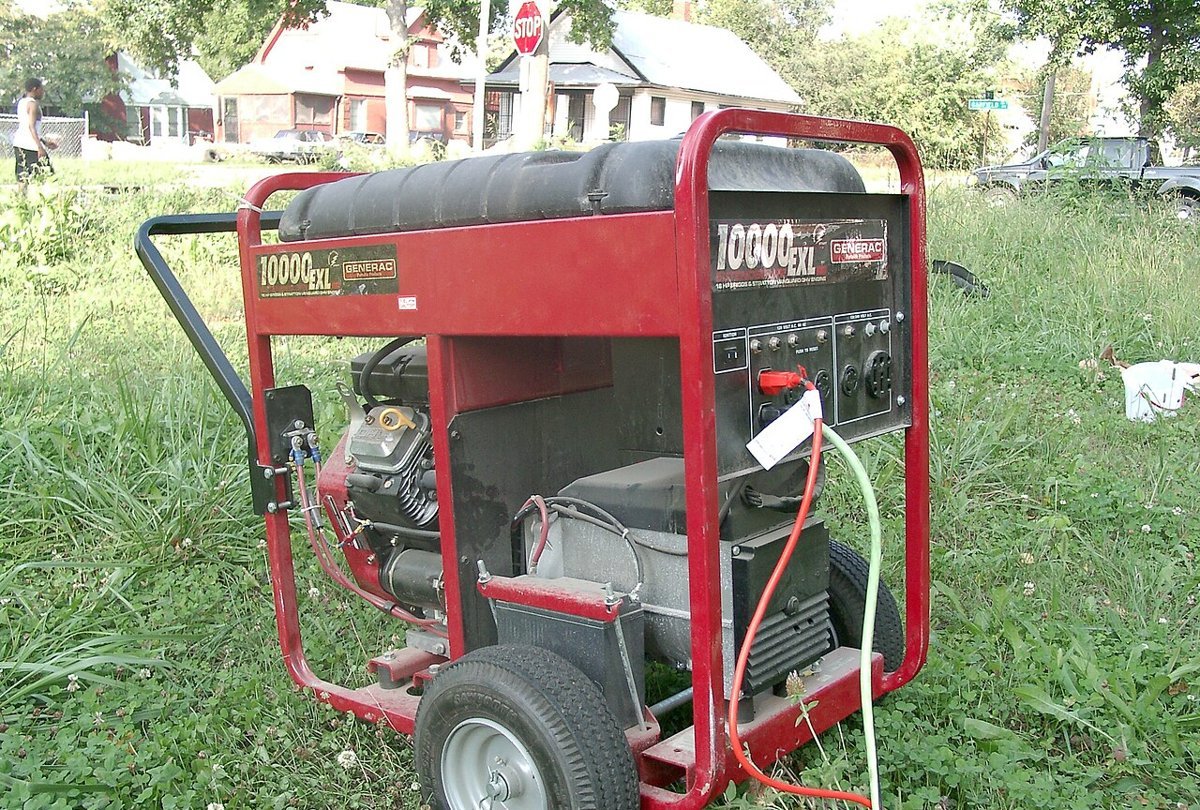
For outage planning, see our guides on how to stay warm in a power outage, space heater safety, and solar generators for home backup, which produce no exhaust. An emergency weather radio also helps you stay informed when the power is out. The CDC also recommends a battery-powered or battery backup CO detector when you use a generator.
A 10-minute CO safety check
- Find every CO alarm in your home, including combination alarms.
- Check the date or replace-by marking on the back, and replace any alarm that is past it or shows an end-of-life signal.
- Press the test button on each alarm.
- Clean dust from each alarm as your manual directs.
- Add an alarm on any level or sleeping area that does not have one.
- Book your annual furnace and chimney inspection if it is due.
- Make a generator plan: where it will sit outside, and how you will keep it well away from windows, doors and vents.
- Agree on where your household will meet outside if an alarm sounds.
Confirmed vs. not
Confirmed (checked 17 November 2026): symptoms, annual inspection, generator and garage rules, gas oven and charcoal warnings (CDC); placement on every level and outside sleeping areas, interconnected alarms, UL 2034, what to do when an alarm sounds, and RV and camping guidance (CPSC); beep patterns and lifespans (Kidde and First Alert pages, as attributed above).
Varies or is our suggestion: beep patterns, lifespan, replacement dates, distance from appliances and basement placement vary by brand or model, and your manual wins. Many states and local jurisdictions require CO alarms in residences, according to CPSC, so check with your local building code official for your area. A calendar reminder for replacement dates is our own suggestion.
FAQ
How long does a carbon monoxide detector last?
It depends on the model. The CDC says to replace it following the manufacturer’s instructions or every 5 years, and Kidde and First Alert describe lifespans from 5 to 10 years. Check the date on the back and your manual.
Why is my carbon monoxide detector beeping 5 times?
On First Alert models, 5 beeps about every minute means the alarm has reached end of life and should be replaced. Patterns differ by brand, so check your manual.
Where should a carbon monoxide detector be placed?
On every level of the home and outside each sleeping area, following the manufacturer’s instructions. Avoid kitchens, spots above fuel-burning appliances, and places blocked by furniture or drapes.
Does a smoke detector detect carbon monoxide?
Not unless it is a combination smoke and CO alarm. CPSC treats them as separate devices and notes that combination alarms are available. Check the label on yours.
What should I do if my CO alarm goes off?
Get everyone outside to fresh air, call 911 or the fire department, and do not go back in until responders say it is okay.
How we wrote this
- We researched this guide from official guidance and manufacturer support pages. We did not hands-on test any alarms.
- No brand paid for placement or mention.
- Where guidance differs between sources, we say so.
Sources
- CDC: About Carbon Monoxide Poisoning
- CPSC: Carbon Monoxide Questions and Answers
- CPSC: CO Alarms
- CPSC: Portable Heaters and Camping Equipment
- Kidde: Carbon Monoxide FAQ
- Kidde: CO Alarm Replacement FAQs
- First Alert: 7 Things to Know About Carbon Monoxide Alarms
Written by the Sunshine and Fresh Air team. Last checked: 17 November 2026.