
A winter power outage is mostly a heat problem, and it is one you can plan for. Early-season storms and the first hard freezes are a good reminder to decide, before the lights go out, where your household will stay warm and how.
This guide is a calm, step-by-step plan: what to do in the first hour, how to dress and sleep warm, which heat sources to avoid, and what a portable power station can realistically do.
Quick answer: To stay warm during a power outage, shrink the space you are heating to one interior room, close it off, and block drafts. Dress in layers with a hat and dry socks, use cold-rated sleeping bags, and share body heat. Never burn fuel indoors: no gas oven, grill, camp stove, charcoal or generator inside a home or garage. A power station can run a low-watt heated throw for many hours, but a 1,500 W space heater drains it in well under an hour. If the cold gets serious, go to a warming center or a friend’s home.
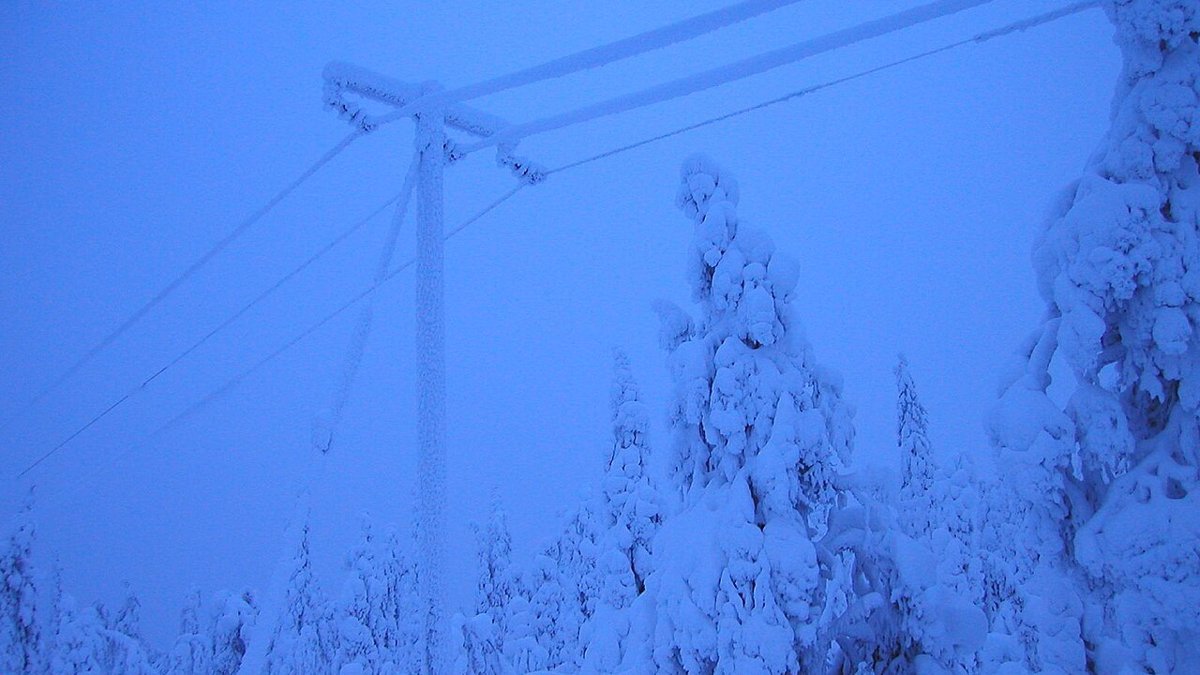
Featured photo (top): “Frozen Power Lines (305174693)” by Timo Newton-Syms from Helsinki, Finland & Maidenhead, Berkshire, UK / Wikimedia Commons, CC BY-SA 2.0 (cropped and resized)
The first hour: pick one warm room
Heat is easier to keep than to rebuild. Choosing one room early means your body heat, and any safe heat you have, goes into a small space.
First hour checklist
- Choose an interior room with the fewest windows and an easy-to-close door. A bedroom or small den often works better than a big living room.
- Move everyone, bedding and pets into that room, and close the doors.
- Roll towels or blankets along the door gaps and window sills to slow drafts.
- Hang blankets or heavy curtains over windows. On sunny days, open curtains on south-facing windows to collect free warmth, then close them at dusk.
- Gather flashlights, lanterns, spare batteries, a battery-powered radio and phone chargers in the room.
- Check that a battery-powered or battery-backup carbon monoxide alarm is working, and note where your water shutoff is.
- Eat something and have a warm (not scalding) drink if you can heat water safely. Food gives your body fuel to make heat.
- Put phones in low-power mode. Our emergency weather radio guide covers a backup for updates.
Dress and sleep warm
Most of staying warm without power is clothing and bedding, and none of it needs a plug.
- Layer up. Use a base layer, an insulating middle layer and a loose outer layer. Several thin layers trap more air than one thick one.
- Choose wool or synthetics over cotton. Cotton holds moisture and feels colder once damp.
- Cover your head, hands and feet. A hat and dry socks make a big difference. Change socks if they get damp.
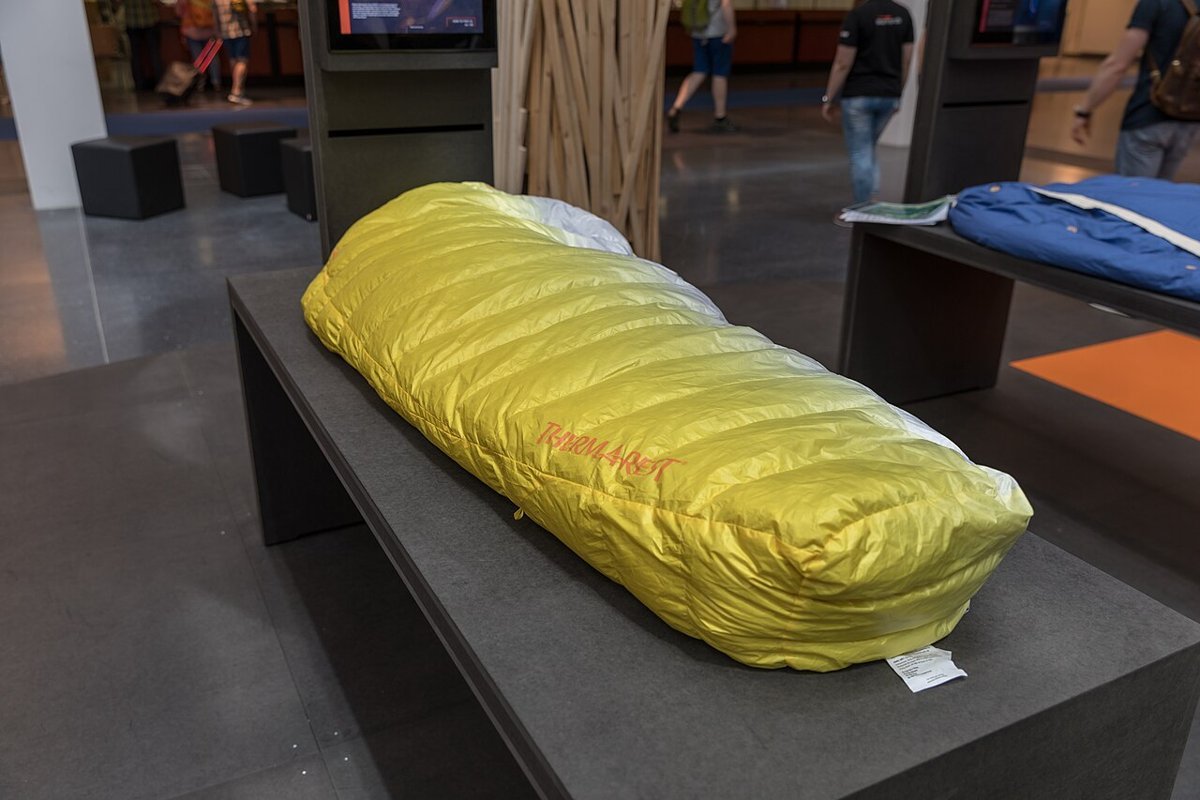
- Use sleeping bags rated for the temperature. Check the rating on the tag, and remember it is a guide, not a guarantee. A wool blanket over the top adds a layer.
- Insulate from below. Cold floors pull heat away, so use a foam pad, rug or folded blankets under the bed or bag.
- Share body heat. Family members and pets sleeping close together stay warmer.
- Keep moving a little. Light activity warms you, but avoid sweating, since damp clothing chills.
Air-activated hand warmers are a handy extra for pockets or sleeping bags. Follow the package directions and avoid holding them against bare skin for long periods.
What not to do: carbon monoxide and fire
The biggest outage danger is trying to make heat the wrong way. Carbon monoxide (CO) is a gas you cannot see or smell, and it comes from burning fuel.
- Do not use a gas oven or stove to heat your home. Ready.gov says it increases your risk of carbon monoxide poisoning.
- Do not bring a grill, camp stove, charcoal or a generator indoors, and do not run a generator in a garage, basement or shed, even with doors open.
- If you use a portable generator, keep it outside and at least 20 feet from your home, with the exhaust pointed away from doors, windows and vents, per Ready.gov and CPSC guidance.
- Know the symptoms. The CDC lists headache, dizziness, weakness, upset stomach, vomiting, chest pain and confusion. If you suspect CO, get into fresh air and call 911.
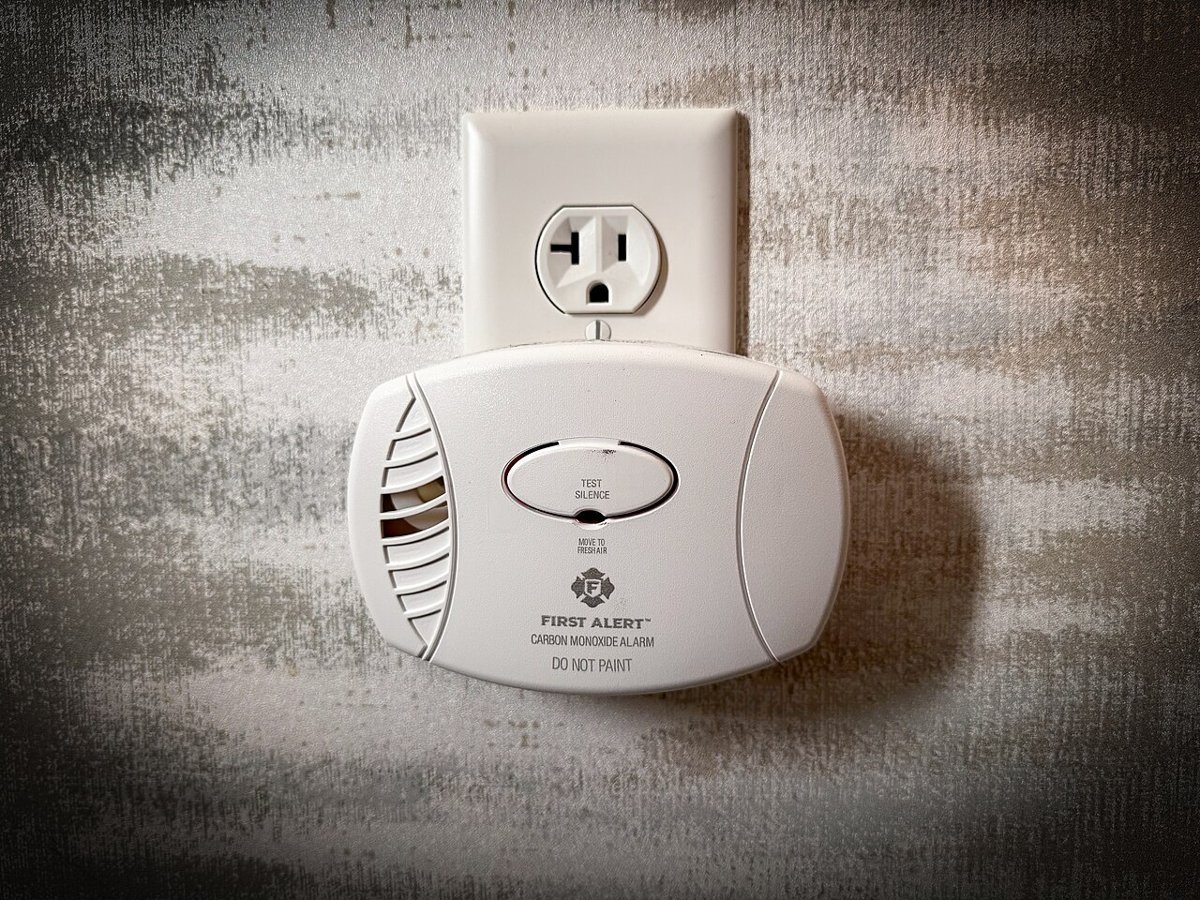
- Use a CO alarm with battery power or battery backup, placed per its instructions.
For lighting, choose flashlights and battery lanterns over candles. The American Red Cross advises flashlights, not candles, during outages. An open flame near blankets and curtains is a fire risk, and you will already be surrounded by extra fabric.
Safe vs. unsafe heat sources
| Source | Safe indoors? | Why |
|---|---|---|
| Extra layers, blankets, sleeping bags | Yes | No fuel or power needed |
| Air-activated hand warmers | Yes | No flame; follow package directions |
| Low-watt heated throw on a power station | Yes, if used per its label | Electric, no combustion; check the manual |
| Gas oven or stovetop | No | Not designed for heating; CO risk |
| Grill, camp stove, charcoal | No | Produce carbon monoxide; outdoor use only |
| Generator inside a home or garage | No | Exhaust contains carbon monoxide; keep outdoors, 20 feet away |
| Candles | Not recommended | Fire risk near fabric; use battery lights |
What a portable power station can and can’t do
A portable power station stores energy in watt-hours (Wh). Runtime is roughly the capacity divided by the device’s watts, minus some loss in the inverter. As our estimate, we use about 15% loss, so a 1,000 Wh station gives about 850 Wh of usable energy.
That is why a 1,500 W space heater is a poor match: 850 Wh divided by 1,500 W is about 0.57 hours, or roughly 34 minutes. A heated throw, by contrast, is often in the range of 50 to 100 W, so the same station could run it for many hours. Check the label on yours. For more detail, see our guides on solar generators for home backup and reading a power station spec sheet.
| Device | Typical watts (check your label) | Rough runtime on a 1,000 Wh power station (our estimate) |
|---|---|---|
| Space heater | 1,500 W | About 30 to 35 minutes |
| Electric blanket or heated throw | About 50 to 100 W | Roughly 8 to 17 hours |
| Gas furnace blower (via an installed inlet only) | Often a few hundred watts | Roughly 1.5 to 3 hours of blower running time |
| Phone charging | About 5 to 20 W | Many days of charging |
| LED lantern | About 2 to 10 W | Several days of use |
| CPAP machine (if you use one) | Varies; often 30 to 60 W, more with a heated humidifier | Roughly 14 to 28 hours |
These are our estimates using 850 Wh usable. Real runtimes vary with your device, settings and battery condition.
A gas furnace blower needs only a few hundred watts, but it normally cannot be plugged in like a lamp. It needs a transfer switch or inlet installed by a licensed electrician. Never plug a generator or power station into a wall outlet to power the house (“backfeeding”), because it can injure utility workers and damage equipment.
Protect the house
- Let cold water drip from faucets served by exposed pipes or pipes in exterior walls, since moving water is less likely to freeze.
- Open kitchen and bathroom cabinet doors so warmer room air reaches the pipes. If you have small children or pets, move cleaning products out of reach first.
- Know where your main water shutoff is, in case a pipe does freeze or burst.
- Keep garage doors closed if water lines run through the garage.
Draft control helps too. If you rent, our draft-proofing guide for renters has low-cost, removable ideas. If you normally use a space heater when the power is on, see space heater safety and efficiency.
Plan by duration
The first few hours
Set up your one warm room, add layers, and conserve phone battery. Most households can stay comfortable with these steps alone.
One to three days
Ready.gov recommends a kit with enough supplies for several days, including at least one gallon of water per person per day. Keep food that needs no cooking, medications, flashlights, batteries and warm bedding in one place. Our emergency food and water guide can help you build one.
Longer outages
If the house is getting cold and there is no restoration time in sight, plan to stay with friends or relatives, or at a warming center. Search terms like “90 day power outage” can sound alarming, but outages of that length are not what most households face. EIA reported that in 2022 the average U.S. customer had about 5.5 hours of power interruptions across the entire year, including major events. Averages hide local extremes, and some storms cause much longer outages, but those are the exception.
When to leave and who to check on
Go to a warming center if your home is getting too cold, if anyone is struggling, or if you have medical equipment that needs power. Call 211 or check your city or county website for open locations, and call ahead if you can. Check on older neighbors and anyone who lives alone.
Know the warning signs. The CDC describes shivering, exhaustion, confusion and slurred speech as hypothermia signs, and numbness with pale, waxy or grayish skin as frostbite signs. If you see these, seek medical help. The CDC’s winter weather pages have the official symptom lists.
Gear worth having
You do not need all of this. These categories fit the plan above:
- A battery-powered or battery-backup carbon monoxide alarm
- A cold-rated sleeping bag for each person, with the temperature rating on the tag
- A wool blanket for an extra layer
- A USB/12V heated throw or low-watt electric blanket, with the wattage on the label
- A portable power station with enough capacity for low-watt devices
- An LED lantern and spare batteries
- Air-activated hand warmers
See battery-backup carbon monoxide alarms on Amazon (US)
See cold-rated sleeping bags on Amazon (US)
See portable power stations on Amazon (US)
Confirmed vs. not
Confirmed guidance (checked 14 November 2026): Ready.gov and CPSC advise keeping generators outdoors, at least 20 feet from the home and windows. Ready.gov recommends CO detectors with battery backup. Ready.gov advises against using a gas stove or oven to heat a home. The CDC lists the CO symptoms above. The Red Cross advises dripping faucets, opening cabinet doors to protect pipes, using flashlights instead of candles, and going to a warming center if your home becomes too cold. EIA published the 2022 interruption average.
Our estimates or assumptions: The runtime math, the 15% inverter loss and the wattage ranges are estimates, not lab measurements. Your devices will differ.
Varies: Outage length, how quickly your house cools, and which warming centers are open depend on where you live and your home’s insulation.
FAQ
How can I stay warm during a power outage without a generator?
Shrink your space to one interior room, block drafts, wear layers with a hat and dry socks, and use sleeping bags and blankets. Eat regularly and share body heat.
Can a portable power station run a space heater?
Some can for a short time, but a 1,500 W heater would drain a typical 1,000 Wh station in roughly half an hour by our estimate. A low-watt heated throw is a far better use.
Is it safe to use a gas stove for heat?
No. Ready.gov warns that using a gas stove or oven to heat your home increases the risk of carbon monoxide poisoning.
How long will my house stay warm without power?
It depends on your insulation, the wind and how cold it is outside, so there is no single answer. Closing off one room and blocking drafts helps you hold heat longer.
When should I go to a warming center?
Go when your home is getting uncomfortably cold, when anyone shows signs of hypothermia, or when someone relies on powered medical equipment. Call 211 or check local government sites for open locations.
How we wrote this
- We researched official guidance from the CDC, CPSC, Ready.gov, the American Red Cross and EIA.
- We did not test products for this article.
- No brand paid for placement.
- Wattage and runtime figures are labeled as estimates.
Sources
- CDC: Avoiding Carbon Monoxide Poisoning
- CDC: Carbon Monoxide Poisoning Basics
- CPSC: What to Know About Generators
- Ready.gov: Power Outages
- Ready.gov: Build a Kit
- Ready.gov: Winter Weather
- American Red Cross: Frozen Pipes
- American Red Cross: Power Outage Safety
- EIA: Today in Energy, 2022 electric interruptions
Written by the Sunshine and Fresh Air team. Last checked: 14 November 2026.