
It is a fair question once the windows are shut for winter and a fresh film of dust shows up on the shelves a day after you wiped them. A purifier can help with the dust that is floating in the air, but it will not take over the dusting. Here is what it does, what it does not do, and a low-waste routine that works alongside it.
Quick answer: Partly. A HEPA air purifier with a CADR suited to your room captures fine dust while it is airborne. Most of the dust you wipe off furniture has already settled, so you still need to vacuum and damp-dust. Think of the purifier as a helper to cleaning, source control and fresh air, not a replacement for them.
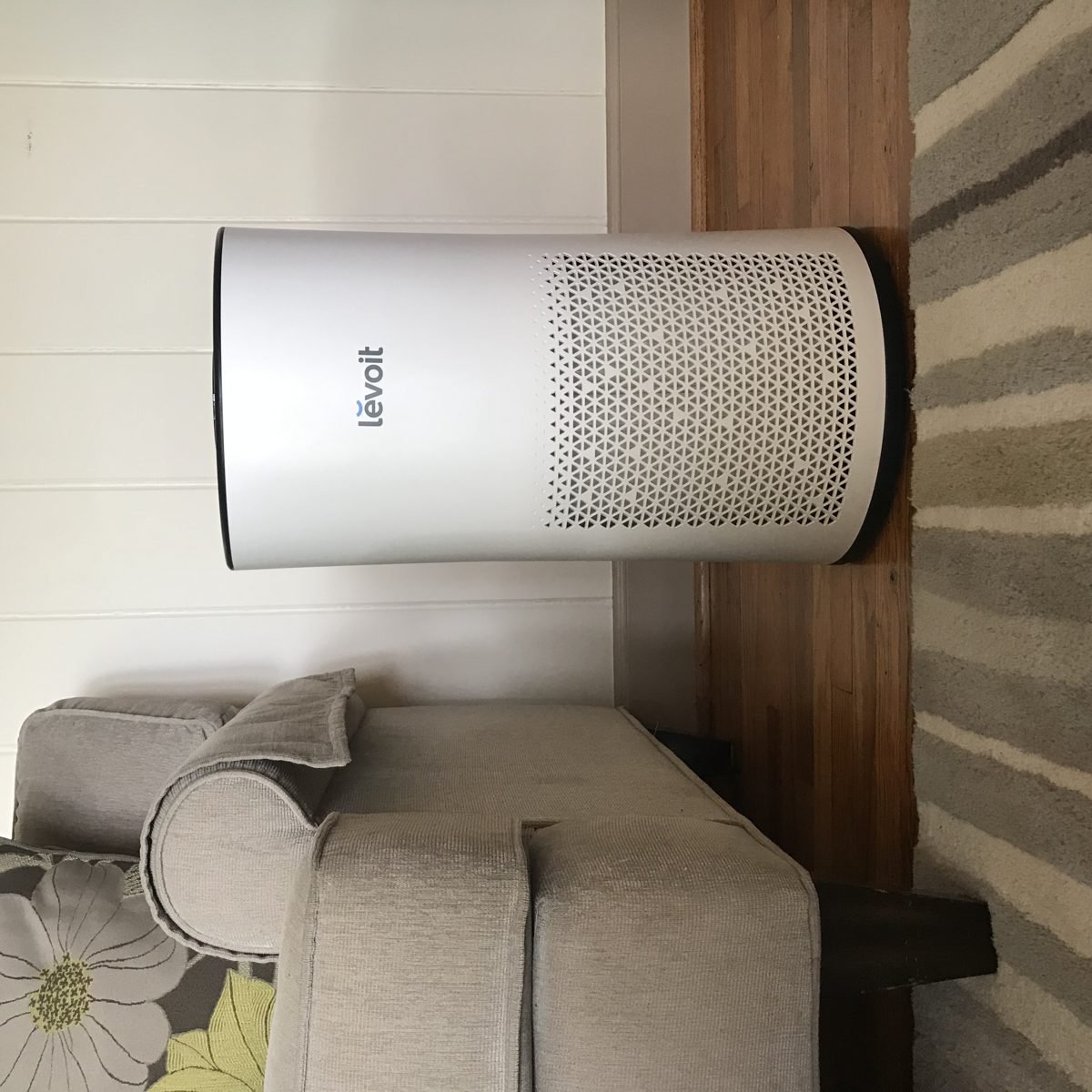
Airborne dust vs. settled dust
Household dust is a mix of things: fibers from fabric and bedding, skin flakes, soil tracked in on shoes, pet hair, pollen and tiny combustion particles. Particles differ a lot in size, and size decides where they end up. The smallest stay in the air for a long time. Larger ones drift down onto floors, shelves and screens within minutes to hours.
A portable air cleaner pulls room air through a filter, so it can only catch what is in the air at that moment. It cannot lift the dust off your bookshelf. That is why the purifier helps most with the fine, floating particles, and why the surfaces still need a cloth.
The EPA is plain about the limits: portable air cleaners and HVAC filters can reduce indoor air pollution, but they cannot remove all pollutants from the air. It also says filtration does not replace the need to control pollutants and to ventilate.
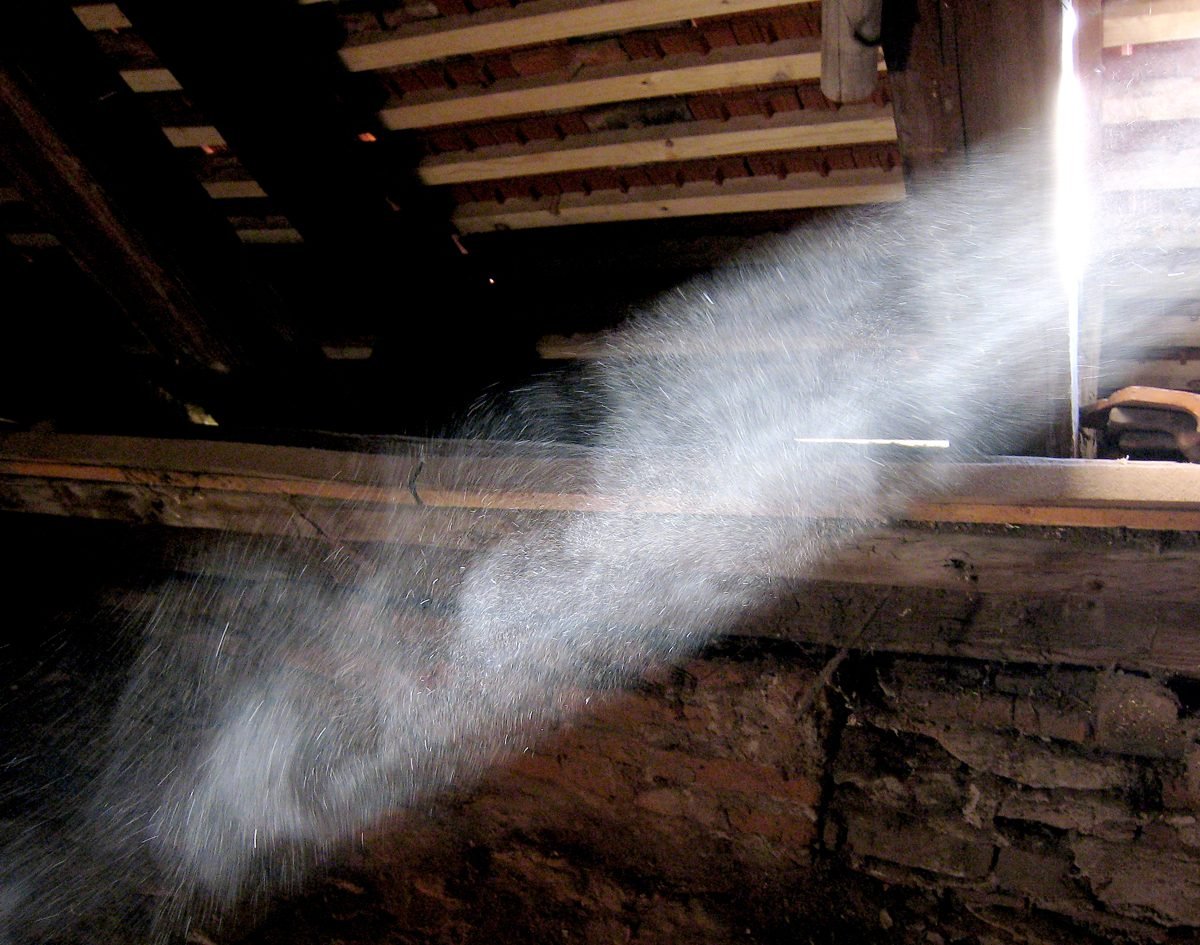
What a purifier catches, and what it does not
- Helps with: fine airborne particles that stay suspended, including the smaller dust you can see drifting in a sunbeam.
- Helps a little with: the dust that gets stirred back up when you vacuum, make the bed or walk across the room, because the purifier keeps filtering afterward.
- Does not help with: dust already sitting on floors, upholstery, blinds and shelves, and it does not remove dust sources such as shedding fabrics or open-window pollen.
HEPA, CADR and room size
Two labels do most of the work when you shop.
HEPA. The EPA describes HEPA as a type of pleated mechanical filter, common in portable air cleaners, that can theoretically remove at least 99.97% of airborne particles 0.3 microns in size. That size is the hardest case for the filter; larger and smaller particles are trapped with even higher efficiency. Labels like “HEPA-type” are not the same thing, which we cover in our HEPA vs. HEPA-type guide.
CADR. The clean air delivery rate says how much filtered air a unit delivers per minute at its highest speed. Packaging may list separate figures for smoke, dust and pollen, which the EPA says represent small, medium and large particles. The EPA suggests a high smoke CADR if you want to remove the smallest particles.
Sizing. AHAM, the appliance makers’ trade group, suggests the “two-thirds” rule: choose a smoke CADR that is at least two-thirds of the room’s floor area in square feet. The EPA publishes a similar table, based on an 8-foot ceiling, and advises sizing up if your ceilings are higher.
A simple example: a 12 by 15 foot bedroom is 180 square feet. Two-thirds of 180 is 120, so look for a smoke CADR of at least 120. A 20 by 15 foot living room is 300 square feet, which points to a smoke CADR of at least 200. If you plan to run the unit on a low, quiet setting, going one size up gives you some headroom. For small spaces, see our small-apartment purifier guide.
Dust sources at a glance
| Dust source / type | Does a purifier help? | What works better or alongside | Note |
|---|---|---|---|
| Fine floating dust and fine particles | Yes, this is its job | A well-sized HEPA unit, run for long hours | Size by smoke CADR for the smallest particles |
| Dust on shelves and furniture | Not really | Damp microfiber cloth | Damp cloths hold dust rather than flicking it back into the air |
| Dust on floors and rugs | Not really | HEPA-filter vacuum, doormats | A sealed system keeps more dust inside the vacuum |
| Bedding and fabric fibers | Slightly, while airborne | Regular washing, hot water if the care label allows | Shake out less, wash more |
| Dust from outdoors (shoes, open windows) | Partly | Doormats, shoes off, keep windows closed on dusty days | Stopping it at the door is easier than catching it later |
| Dust moving through the HVAC system | Some, in one room | MERV 13 filter, or the highest your system allows | Works only while the system fan is running |
| Drywall or renovation dust | Limited | Sealing off the area, HEPA vacuum, damp wiping | Heavy dust can overload a filter quickly |
Why source control and fresh air come first
The EPA puts it this way: the most effective ways to improve indoor air are to reduce or remove pollutant sources and to ventilate with clean outdoor air, and filtration is a supplement. For dust, that means stopping it from coming in (doormats, shoes off) and not letting it build up (regular cleaning). In winter, a few minutes of cross-breeze on a low-pollution day helps too.
The HVAC filter matters as well. The EPA advises choosing a filter rated at least MERV 13, or as high as your system can accommodate, and replacing it on schedule. Check with an HVAC technician if you are unsure what your system can handle.
If you add a humidifier to ease dry winter air, the EPA suggests keeping indoor humidity below 60 percent, ideally between 30 and 50 percent. Our air purifier vs. humidifier post explains how the two differ, and how to clean a humidifier covers upkeep. A cheap hygrometer or one of the indoor air quality monitors we cover can show you where you are.
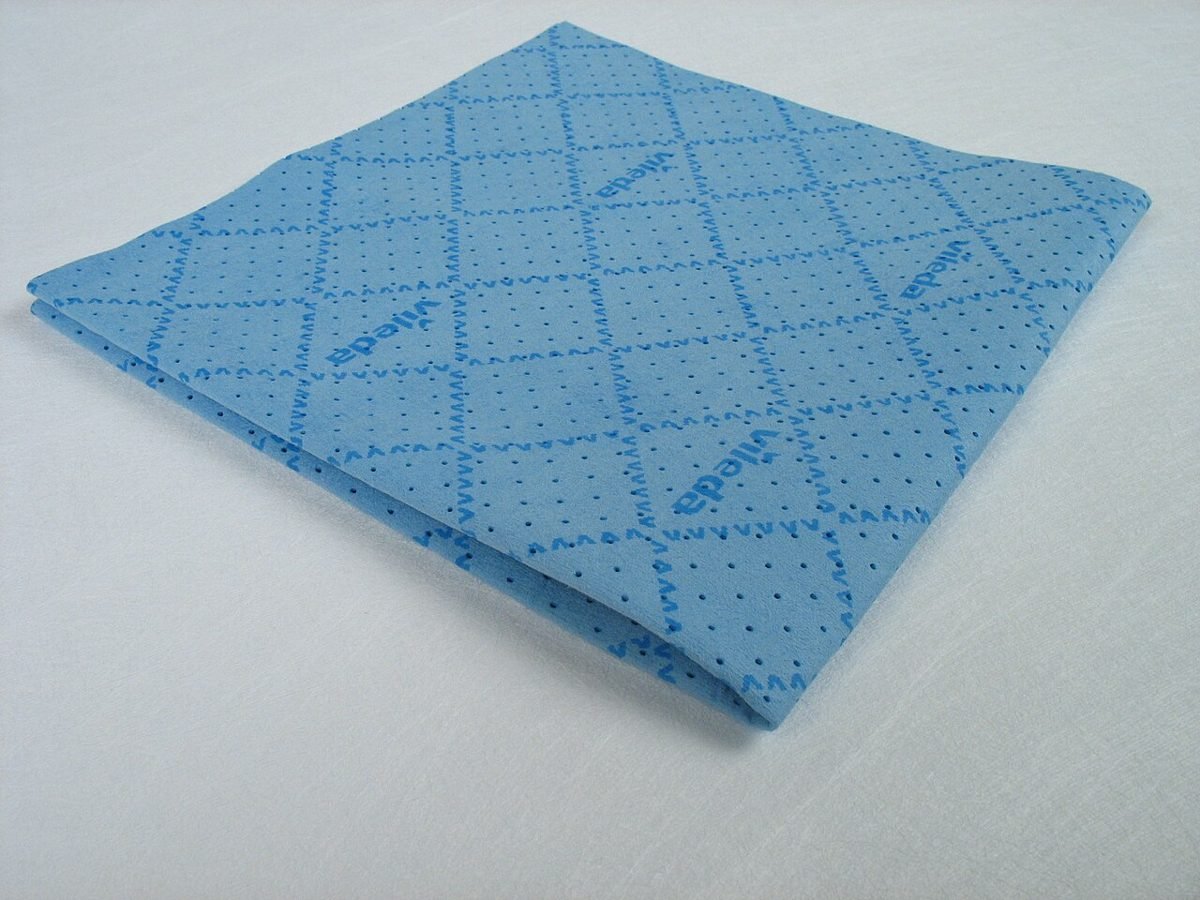
A simple low-waste weekly dust plan
- Start high, finish low. Dust shelves, sills and blinds with a damp microfiber cloth first, so falling dust lands on floors you have not cleaned yet.
- Vacuum floors and rugs with a HEPA-filter vacuum, going slowly over high-traffic areas. Empty the bin or bag outdoors.
- Wash bedding weekly, in hot water if the care label allows. Rinse and reuse your cloths instead of using disposable wipes.
- Stop dust at the door. Keep a doormat outside and one inside, and take shoes off at the entrance.
- Check the filters. Look at your HVAC filter and purifier filter. Replace them when the maker says so, or sooner if they look clogged.
- Air the place out briefly when outdoor air is clean, then close up again.
Placement and running tips
- Put it where you spend time. The EPA suggests the room you use most. Many people choose the bedroom.
- Leave room for airflow. Keep it away from curtains and anything that blocks the intake or outlet. California’s air agency also suggests keeping it away from doors, windows and foot traffic, but not tight against walls or corners.
- Run it for long hours. The EPA notes that higher fan speeds and longer run times filter more air. A quiet setting running most of the day often beats a loud one used now and then. If noise stops you from running it, look for a low published noise rating.
- Keep doors closed in the room you are trying to clean.
- Replace filters as the maker advises. Intervals vary a lot by model and by how hard the unit runs, so follow your manual and the filter indicator if it has one.
- Avoid ozone generators. The EPA says to avoid air cleaners and furnace filters that intentionally produce ozone. In California, portable air cleaners must be certified by CARB for ozone and electrical safety, and CARB publishes a list of certified models.
Helpful items to consider
These are examples drawn from the makers’ own pages. We have not tested them, and the figures below are the brands’ own. Check current specs before you buy.
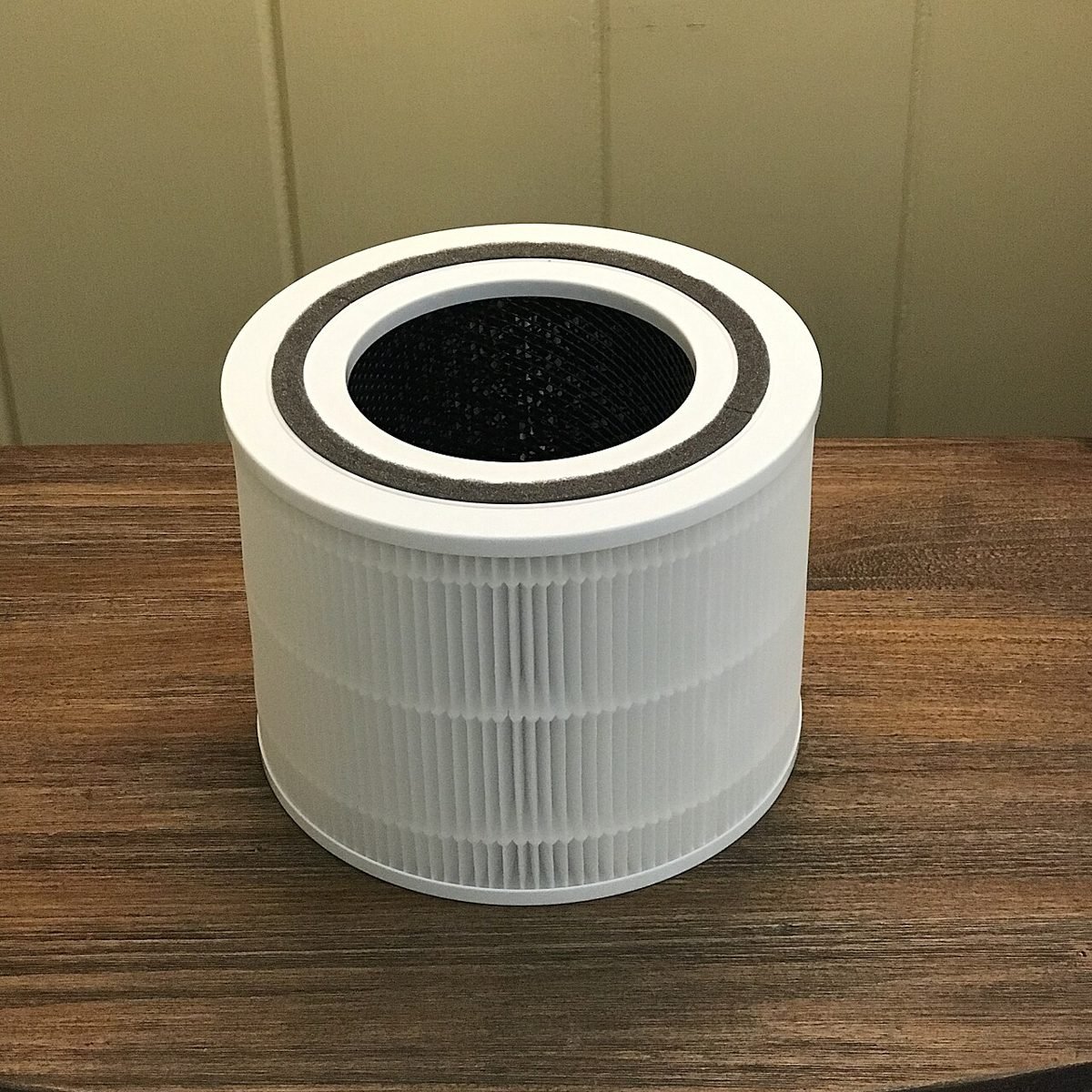
- LEVOIT Core 300-P: a compact unit for bedrooms and small rooms. LEVOIT lists a CADR of 143 CFM and an ideal room size of 222 square feet at 4.8 air changes per hour.
- Coway Airmega Mighty AP-1512HH: a mid-size True HEPA unit. Coway lists CADR figures of 233 (smoke), 246 (dust) and 240 (pollen).
- Winix 5520: a larger-room option with a True HEPA filter. Winix lists CADR (dust / pollen / smoke) as 252 / 247 / 253, an AHAM Verifide room size of 392 square feet and a 12-month HEPA filter life. (We looked for the 5500-2, but Winix’s site no longer lists it.)
- Shark Navigator Lift-Away upright vacuums: Shark describes several models as pairing Anti-Allergen Complete Seal Technology with a HEPA filter. Features differ by model, so check the one you pick.
See LEVOIT Core 300 on Amazon (US)
See Coway Airmega Mighty AP-1512HH on Amazon (US)
See Shark Navigator Lift-Away vacuums on Amazon (US)
See microfiber dusting cloths on Amazon (US)
Confirmed vs. not
Confirmed (as of November 2026):
- EPA defines HEPA as able to theoretically remove at least 99.97% of 0.3 micron particles (EPA, page updated January 2026).
- EPA says filtration is a supplement to source control and ventilation, not a replacement (EPA guide to air cleaners, updated October 2026).
- AHAM’s two-thirds rule for smoke CADR (AHAM, December 2024).
- EPA advice on MERV 13 filters, ozone, placement and the 30 to 50 percent humidity target.
- CARB certification for portable air cleaners sold in California.
Not confirmed, or varies: brand performance claims are the makers’ own and come from lab tests, so real rooms with furniture, doors and pets will differ. We did not test any product. Specs, models and stock change, and we could not check every listing directly on Amazon, so confirm details on the product page.
FAQ
Does an air purifier help with dust?
Yes, for dust that is floating in the air. A HEPA purifier captures fine airborne particles. It does not remove dust that has already settled on surfaces, so cleaning is still needed.
Will an air purifier reduce dusting?
It may reduce how much fine dust is in the air, but you should not expect to stop dusting. Most visible dust on shelves has settled from the air or been carried in, so a damp cloth and vacuum remain the main tools.
What size air purifier do I need for dust?
Use AHAM’s two-thirds rule: choose a smoke CADR at least two-thirds of the room’s square footage. A 180 square foot room needs a smoke CADR of at least 120. Size up for ceilings above 8 feet.
Should I run my air purifier all the time?
Many people do. The EPA notes that longer run times filter more air. A quiet, steady setting is usually practical. Replace filters as the maker advises.
Does a HEPA vacuum help with dust?
It can. A vacuum with a HEPA filter and a sealed system holds more of the dust it picks up instead of blowing some back into the room. It works on the floors and rugs where a purifier cannot reach.
How we wrote this
- We researched the topic and read the EPA, AHAM, CARB and maker pages. We did not test any product.
- Product features are quoted as the brands state them.
- No brand paid for a mention. Some links are Amazon affiliate links.
Sources
- EPA: Guide to Air Cleaners in the Home
- EPA: What is a HEPA filter?
- EPA: What is a MERV rating?
- EPA: A Brief Guide to Mold, Moisture and Your Home
- AHAM: Tips for choosing the ideal portable room air cleaner
- California Air Resources Board: Air cleaners and ozone-generating products
- LEVOIT Core 300-P
- Coway Airmega Mighty AP-1512HH
- Winix 5520
- Shark Navigator Lift-Away ADV
Written by the Sunshine and Fresh Air team. Last checked: 11 November 2026.