
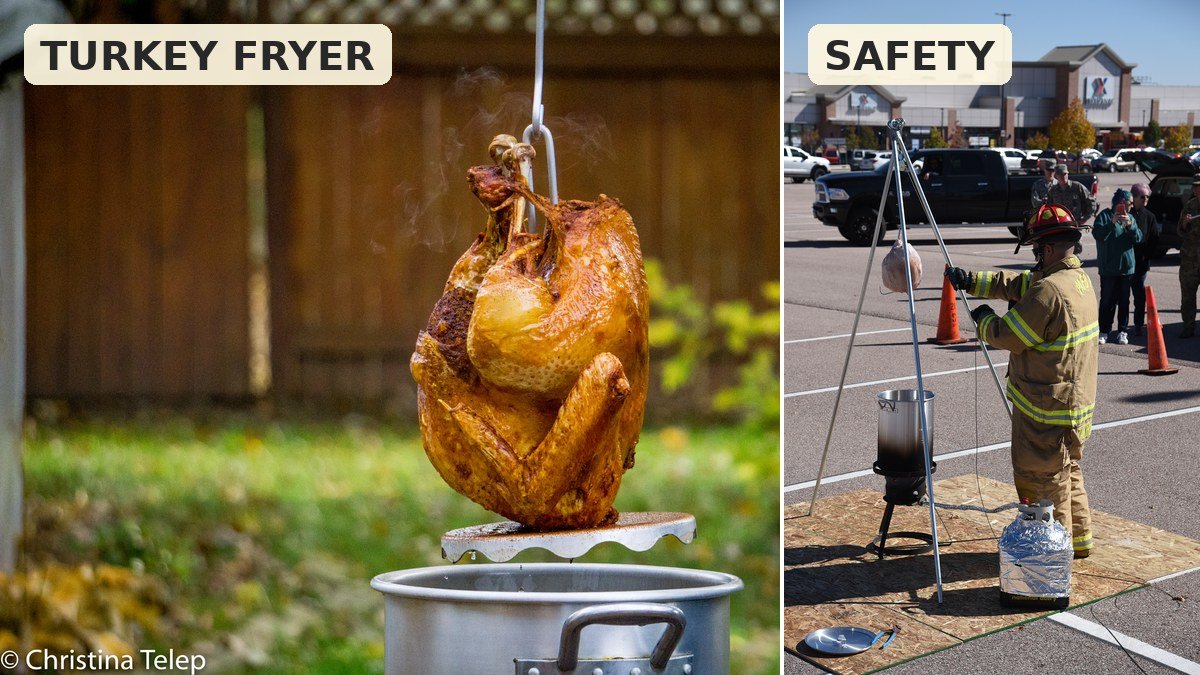
Few things say Thanksgiving like a golden, crackling turkey and a crowd gathered in the yard. A little planning keeps that scene happy, whether you fry in oil, try an oil-less fryer, or roast in the oven. Here is a calm guide to setup, a short comparison of your options, and a low-waste plan for the oil afterward.
Quick answer: If you fry, do it outdoors on level, non-combustible ground well away from the house, garage, deck and trees. Fully thaw and dry the bird, measure the oil with water before you heat anything, turn the burner off when lowering the turkey, and never walk away. Oil-less (infrared) fryers skip the oil vat but still use propane outdoors. Afterward, cool the oil completely, strain and reuse it, or take it to a local recycling drop-off. Never pour it down the drain.
Featured photo (top), composite: “Thanksgiving Turkey 2017” by Christina Telep / Wikimedia Commons, CC BY 3.0; “Fire Prevention Week (3879328)” by U.S. Air Force photo by Robert Lingley / Wikimedia Commons, Public domain (cropped and combined; composite shared under CC BY 3.0).
Why oil turkey fryers flare up
Most fryer fires come down to a few predictable moments, and each has a simple fix:
- Oil overflow. Too much oil, or a turkey lowered too quickly, can push hot oil over the rim and onto the burner. Fix: measure the oil first and lower the bird slowly.
- A wet or partly frozen bird. Water or ice hitting hot oil boils violently. CPSC advises making sure the turkey is completely thawed and dry before it goes into the oil.
- Overfilling. CPSC’s advice is plain: never overfill the fryer with oil.
- Unattended burners and bad placement. CPSC says fryers belong outdoors, away from homes, garages, decks and other structures.
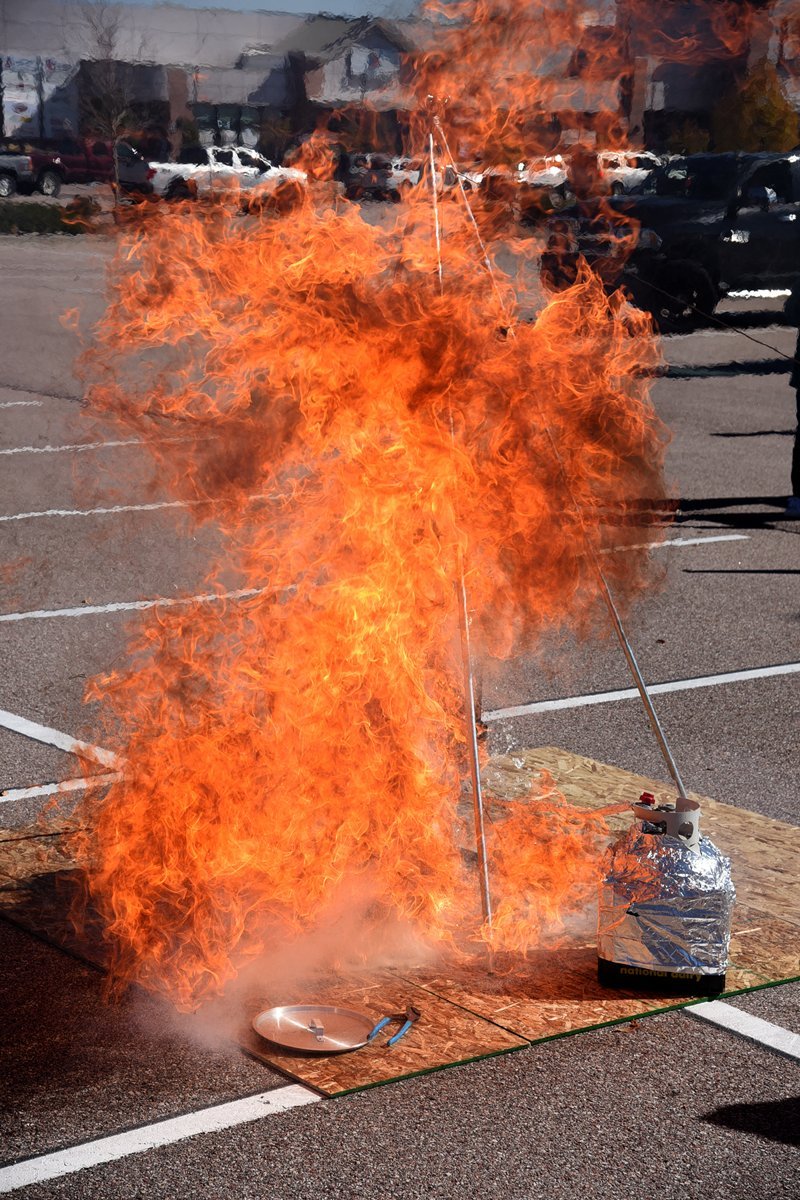
CPSC notes that Thanksgiving Day sees more than three times the daily average number of cooking fires. NFPA goes further: its Thanksgiving safety page says turkey fryers that use cooking oil are not safe, and suggests buying a fried turkey from a grocery store or restaurant, or using a fryer that does not use oil. That is a fair reason to consider the alternatives below. If you do fry, the steps in this guide lower the risk considerably.
Your options at a glance
| Option | How it cooks | Where to use it | Main safety watch-out |
|---|---|---|---|
| Outdoor propane oil fryer | Turkey submerged in several gallons of hot oil over a gas burner | Outdoors only, on flat, non-combustible ground, away from structures | Oil overflow and fire if the bird is wet, frozen or the pot is overfilled |
| Electric oil turkey fryer | Turkey cooked in hot oil in a plug-in unit with a heating element | Follow the manufacturer’s instructions; many are intended for outdoor or well-ventilated use | Still hot oil: use the fill line, a fully thawed bird and a stable, dry surface |
| Outdoor oil-less infrared fryer | Radiant (infrared) heat roasts the bird in a chamber, with no oil vat | Outdoors, per the manufacturer’s manual | Still propane and still very hot surfaces; grease can drip, so keep the unit clean |
| Oven roasting | Dry heat in a conventional oven | Indoors | Lowest-risk option here; watch for hot pans and drippings |
Setup-to-cleanup sequence
| Step | What to do | Why |
|---|---|---|
| 1. Thaw | Thaw in the refrigerator, about 24 hours for every 4 to 5 pounds, then pat the bird dry inside and out | Ice and water cause violent boiling and overflow |
| 2. Choose the spot | Level, non-combustible ground (concrete or bare earth), at least 10 feet from the house, garage, trees and deck | Keeps any spill or flame away from things that burn |
| 3. Measure the oil | Put the turkey in the empty pot, add water to cover it by 1 to 2 inches, remove the bird, mark the water line, then dry the pot completely | Shows the oil level that will not overflow when the bird goes in |
| 4. Heat | Fill to the mark and heat to about 350°F, watching a long-stem thermometer | Matches USDA guidance and avoids overheated, smoking oil |
| 5. Lower the bird | Turn the burner off, lower the turkey slowly with the hook, then relight | Removes the flame if oil does bubble up |
| 6. Check doneness | Turn the burner off again, lift the bird out and check for 165°F with a food thermometer | USDA’s safe minimum temperature for poultry |
| 7. Cool and clean up | Leave the oil in the covered pot until completely cool, then strain, store or recycle it | Hot oil causes serious burns and should never be moved |
Turkey fryer safety checklist
- Fry outdoors only, never in a garage, on a wooden deck, on a porch or under eaves.
- Set the fryer on flat, level, non-combustible ground at least 10 feet from structures.
- Thaw the turkey completely and pat it dry.
- Measure the oil with the water method before heating.
- Heat the oil to about 350°F and watch it with a thermometer.
- Turn the burner off before lowering or lifting the turkey, and go slowly.
- Never leave the fryer unattended.
- Keep children and pets well back; CPSC suggests at least three feet from the cooking area, and more is better around a fryer.
- Wear insulated gloves and eye protection, and keep a fire extinguisher close.
- If a fire starts, never use water. If it is not tiny and quickly controlled, get everyone away and call 911.
Oil-less (infrared) fryers and other alternatives
An infrared “oil-less” fryer works more like an outdoor roaster than a deep fryer. A propane burner heats the chamber, and infrared (radiant) heat cooks the turkey from the outside, with no vat of oil. Char-Broil’s The Big Easy is one well-known example of the category. Treat these as safer in one respect only: there is no gallon-scale pot of hot oil to spill. They still use propane, still get very hot, and are typically meant for outdoor use, so follow your manual. NFPA itself suggests a fryer that does not use oil as an alternative.
Electric oil fryers are convenient, but they still hold hot oil, so use the fill line and a fully thawed bird. Smoking or roasting a turkey is a calm option that needs no hot oil at all. If you already have a backyard fire feature, read our smokeless fire pit guide for keeping open flame in its place, and keep it well away from the fryer.
A word about fuel: propane burners and fryers belong in open air. Running one in a garage or enclosed space is a fire hazard and a carbon monoxide risk, and a working alarm indoors is wise year-round. Our carbon monoxide detector guide explains what to look for. Renters should also know that many building rules and leases restrict grills and fryers on balconies, so check yours. Our balcony and small-space outdoor living guide has gentler ideas for tight spaces.
Gear worth considering
These are category-level suggestions, based on features rather than testing.
- Oil-less (infrared) turkey fryer: look for a stable base, a clear manual with outdoor-use instructions, and a size that fits your turkey.
- Long-stem deep-fry or candy thermometer: a clip-on stem keeps your hand away from the pot while you watch the oil.
- Heat-resistant or insulated cooking gloves: long cuffs and a snug fit help protect your forearms.
- Home fire extinguisher: check the label and rating, and follow USFA and NFPA guidance on choosing and using one.
See oil-less turkey fryers on Amazon (US)
See deep-fry thermometers on Amazon (US)
See heat-resistant cooking gloves on Amazon (US)
See kitchen fire extinguishers on Amazon (US)
What to do with the used oil
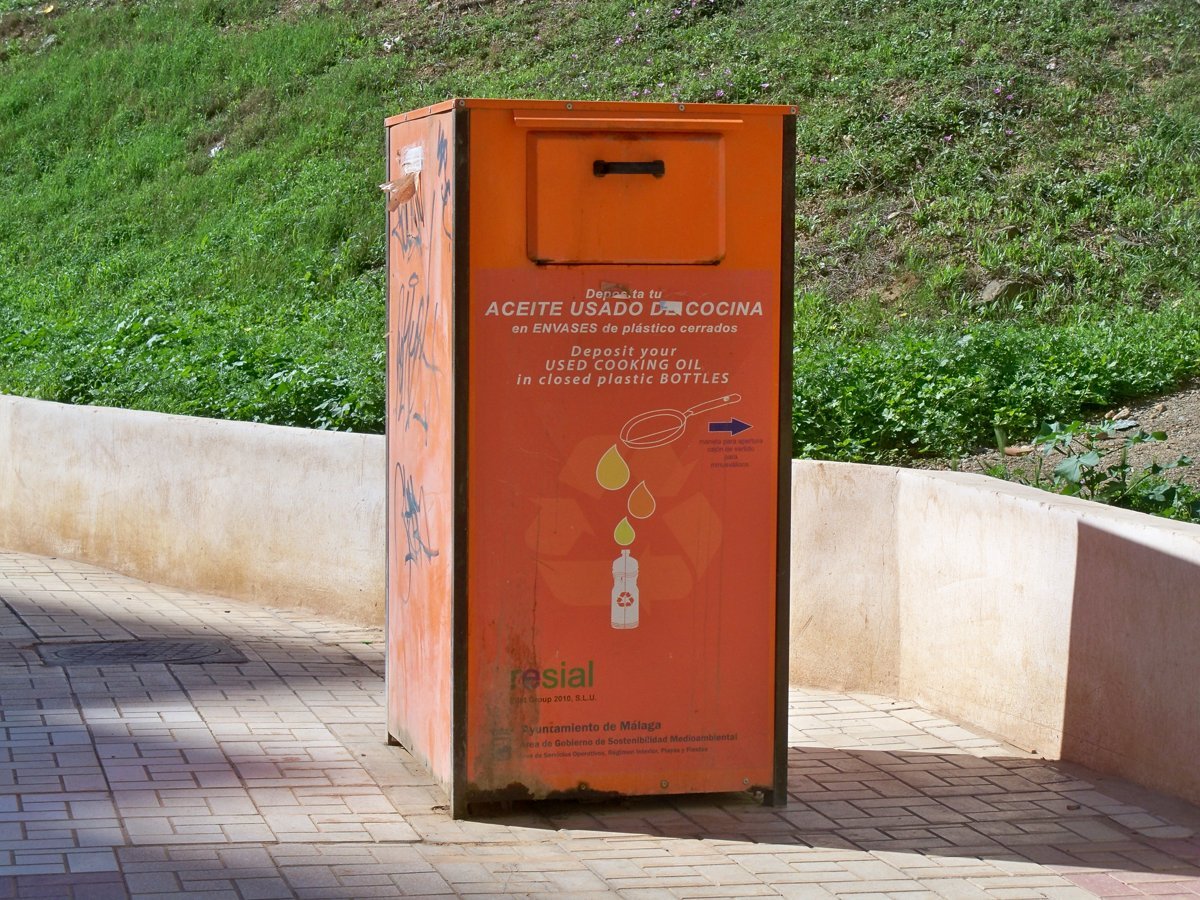
Once the meal is served, the oil still needs a plan. Here is a low-waste path:
- Cool it fully. Leave the oil in the covered pot for several hours, or overnight, before you touch it.
- Strain and reuse if you like. Strain through a fine mesh and cheesecloth or a coffee filter into a clean, lidded container, and label it with the date. Reuse guidance varies by source; a few uses is commonly cited. Skip reuse if the oil is cloudy, foamy, smells off or was used for fish.
- Never pour it down the drain or toilet. Fats, oils and grease cool and harden in pipes and can cause blockages and sewer overflows.
- Look for a drop-off. Some cities and counties accept used cooking oil at drop-off sites or household waste events, and some run post-holiday collections. Search your city or county name plus “used cooking oil recycling.” Recycled restaurant grease and vegetable oils are feedstocks for biodiesel, according to the U.S. Department of Energy.
- Small amounts: let it cool, seal it in a container you can throw away, and put it in the trash if your local rules allow. Texas environmental regulators also suggest mixing larger amounts with clay cat litter until absorbed, then bagging it for the trash.
- Skip the compost bin for large amounts of oil; that is common guidance. Our apartment composting guide covers what does belong there.
The rest of the bird deserves the same care. Our Thanksgiving leftovers guide covers safe storage and fresh ideas for using it up.
A note on peanut oil and allergies
Peanut oil is a popular choice for frying. FDA’s definition of a major food allergen does not include highly refined oils, so labels may not flag them. Allergy sensitivity varies, so it is kind to ask your guests before you choose.
Confirmed vs. not
Confirmed guidance (as of 22 November 2026, US time):
- CPSC (release dated 19 November 2026): Thanksgiving Day sees more than three times the daily average number of cooking fires; fryers outdoors, away from homes, garages, decks and structures; thaw and dry the turkey; never overfill; never leave food unattended; children and pets at least three feet away; keep an extinguisher nearby; never use water on a grease fire.
- NFPA (Thanksgiving safety page): turkey fryers that use cooking oil are not safe; buy a fried turkey or use a fryer that does not use oil.
- USDA FSIS: about 24 hours of refrigerator thawing per 4 to 5 pounds; oil at about 350°F; 165°F safe minimum temperature.
- DOE: biodiesel can be made from recycled restaurant grease and vegetable oils.
Estimates, manufacturer-specific or our suggestions:
- The 10-foot distance comes from university extension guidance and CPSC’s general grill advice, not a CPSC fryer number; your manual may differ.
- Oil reuse counts and storage times vary by source.
- Infrared fryer details and outdoor-only use depend on the manufacturer.
- Calling 911 for a fryer fire, eye protection, extinguisher choice, balcony rules and not composting oil are common guidance or our suggestions.
FAQ
How far from the house should a turkey fryer be?
CPSC says outdoors and away from homes, garages, decks and structures without giving a number. University extension guidance suggests at least 10 feet. Check your manual and go farther if you can.
Can you fry a frozen turkey?
No. USDA says to thaw it completely, and CPSC says the turkey should be completely thawed and dry before going into hot oil. Ice causes violent bubbling and overflow.
Are oil-less turkey fryers safer?
They remove the large pot of hot oil, which is the main overflow risk. They still use propane and get very hot, so use them outdoors and follow the manual.
What temperature should the oil be?
USDA guidance is about 350°F. Always check your fryer manual, and cook until the turkey reaches 165°F on a food thermometer.
What do I do with turkey fryer oil afterward?
Let it cool completely, then strain and reuse it, or take it to a local used cooking oil drop-off. Never pour it down the drain.
How we wrote this
- We researched official safety guidance from CPSC, NFPA, USDA, DOE and FDA, plus university extension sources.
- We did not hands-on test any fryer or product.
- No brand paid for placement, and we name brands only as category examples.
Sources
- CPSC: CPSC Shares Tips for a Safer Holiday Feast (19 November 2026)
- NFPA: Thanksgiving safety tips
- NFPA: Dangers of Home Cooking and Turkey Fryers
- U.S. Fire Administration: Cooking Fire Safety
- USDA FSIS: Turkey Basics: Safe Thawing
- Texas A&M AgriLife Extension: Cooking Turkey: Oven Roasting and Deep Frying
- CPSC: Carbon Monoxide Fact Sheet
- EPA: Sanitary Sewer Overflow Frequent Questions (fats, oils and grease)
- Texas Commission on Environmental Quality: Reducing Fats, Oils, and Grease at Home
- U.S. DOE Alternative Fuels Data Center: Biodiesel Fuel Basics
- Char-Broil: The Big Easy (TRU-Infrared, no oil)
- FDA: Questions and Answers Regarding Food Allergens (Edition 5, January 2025)
Written by the Sunshine and Fresh Air team. Last checked: 22 November 2026.